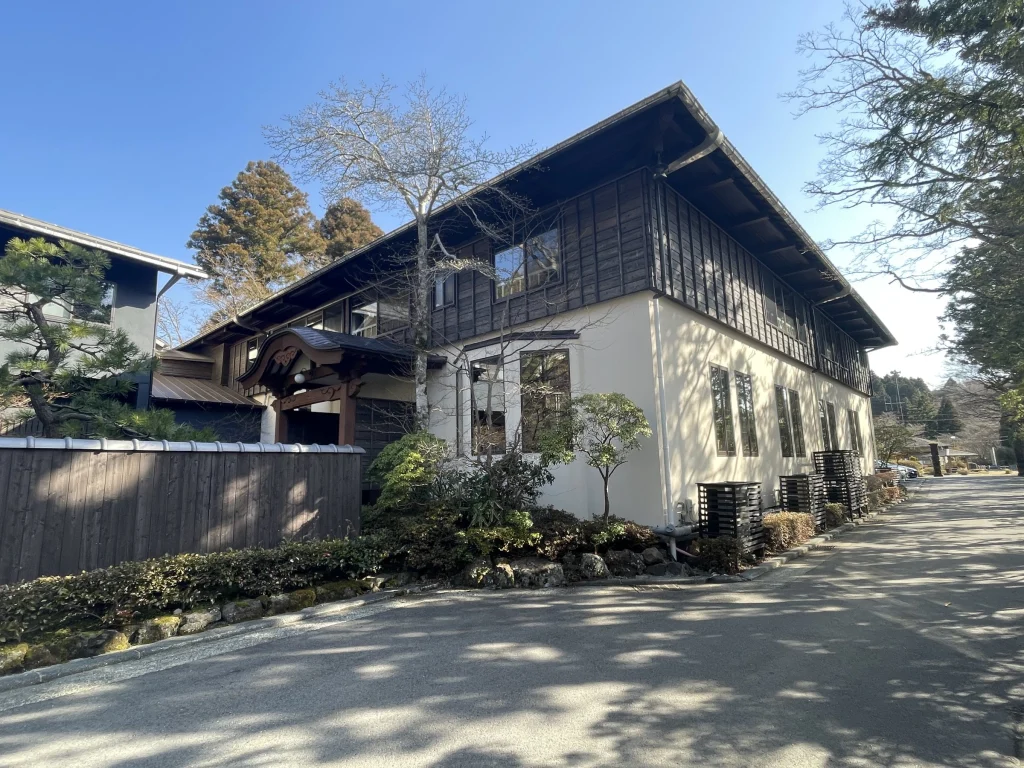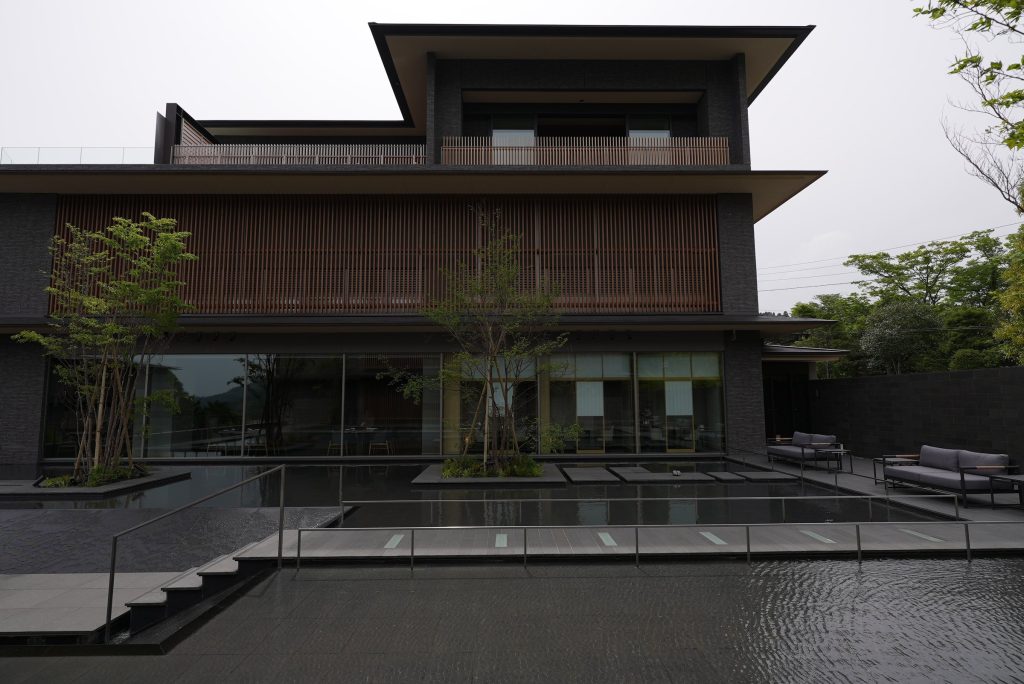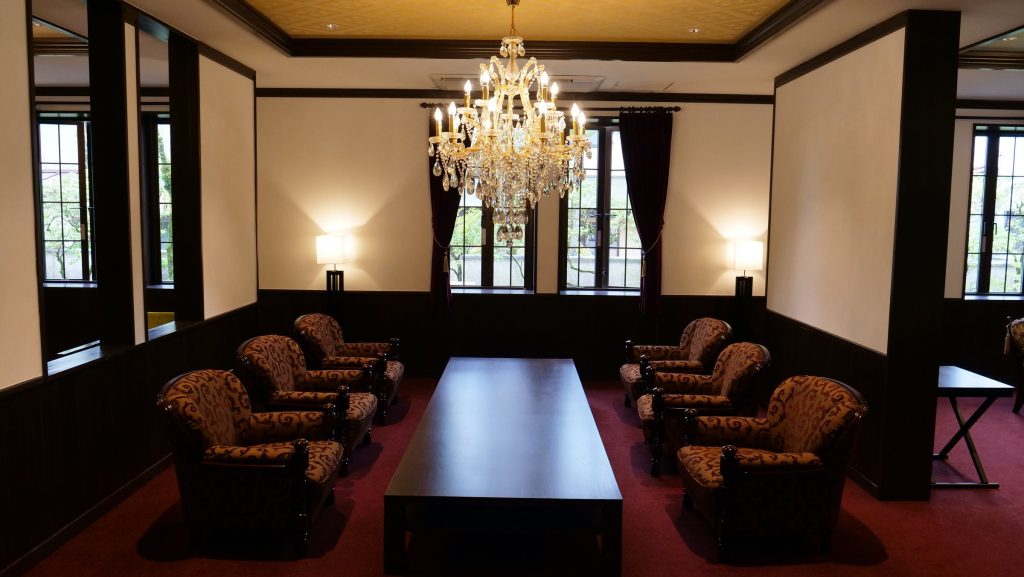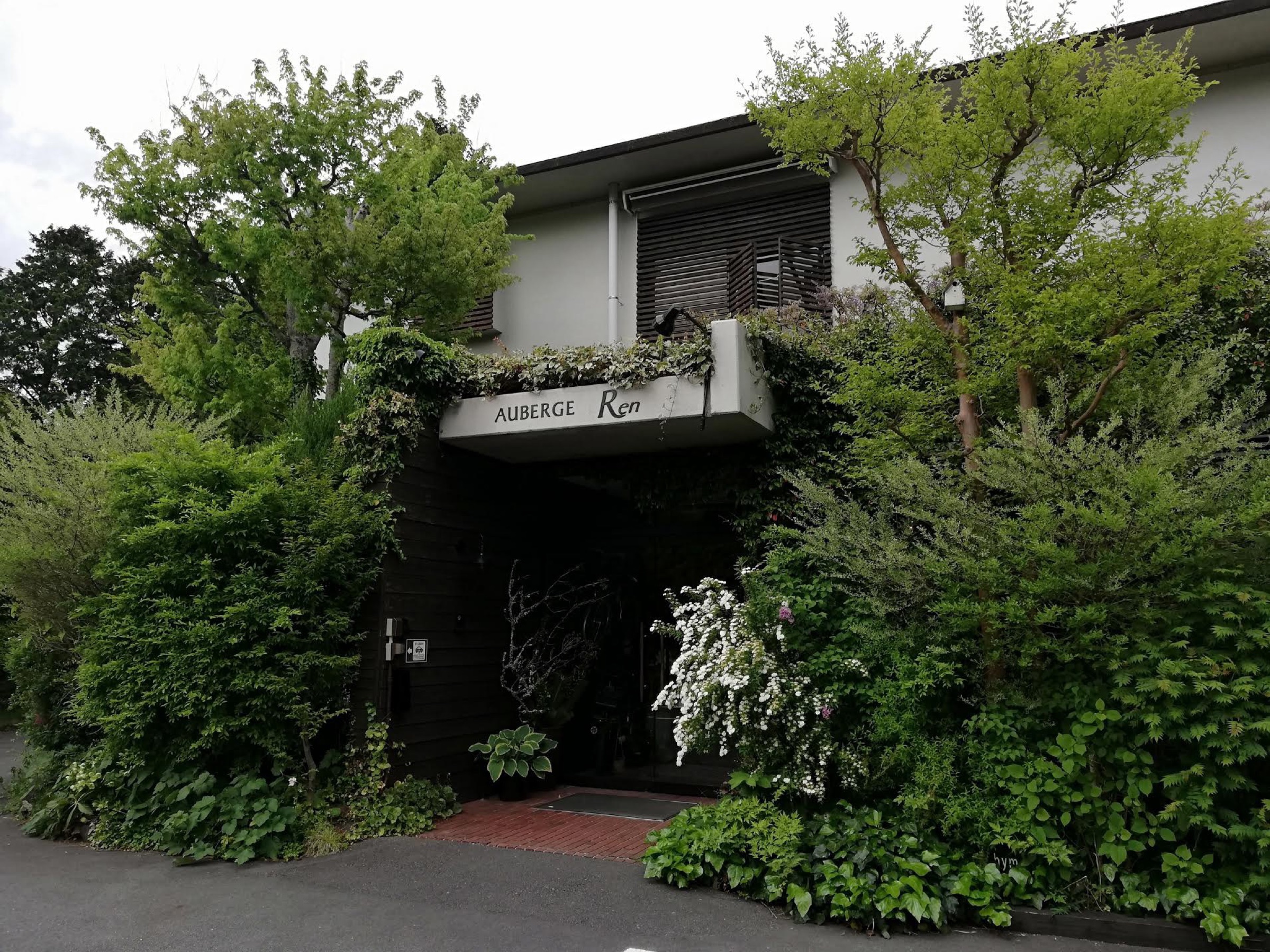
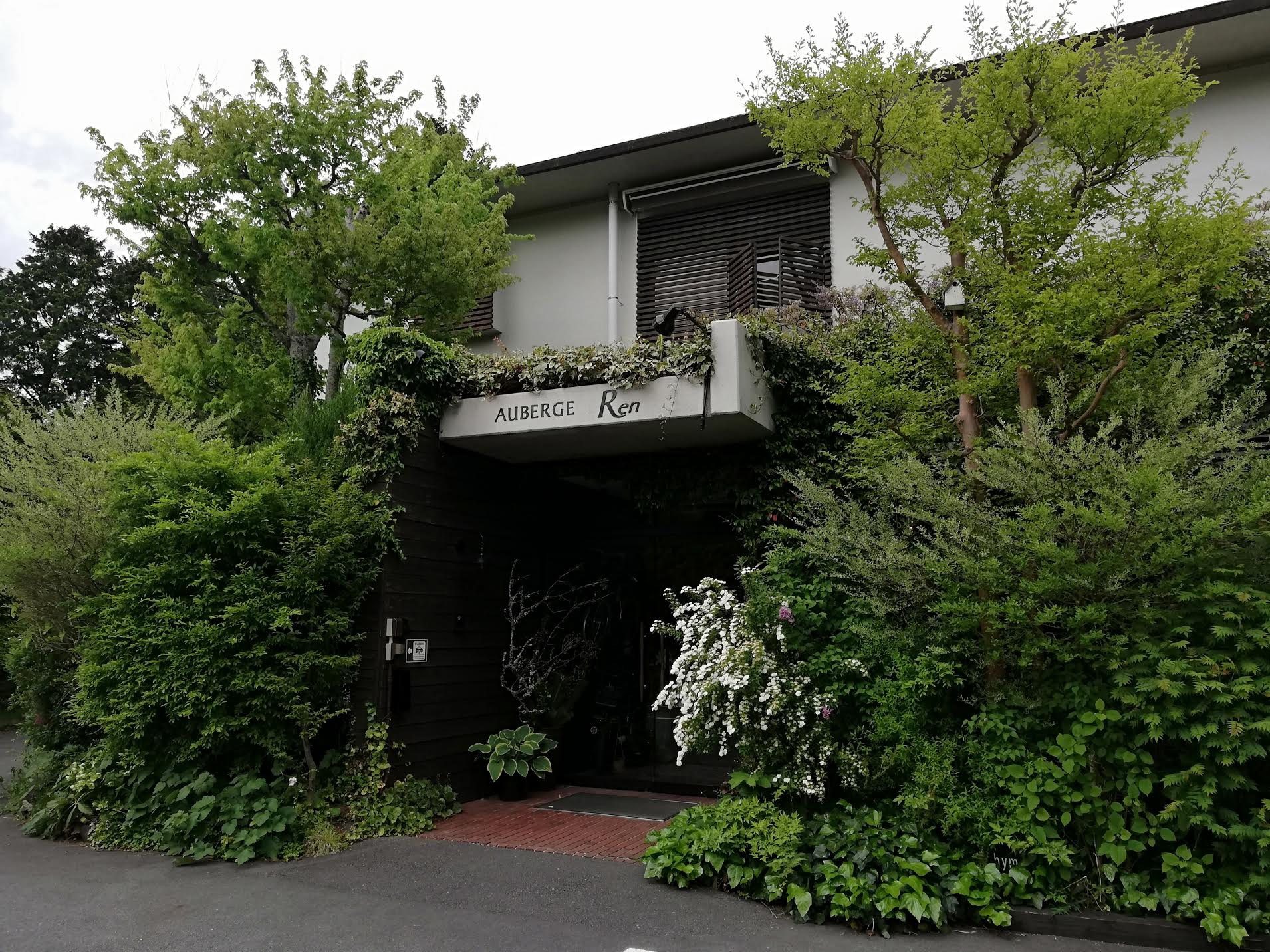
Deep in the hills of Hakone, Auberge Ren stood in what is very much villa country. It was a small property, and from the moment we stepped into the lobby the signs pointed toward the table: a wine cellar and a stylish coffee machine, the kind of details that promise a kitchen serious about its cuisine.
Nothing was staged for effect. The atmosphere was calm and unshowy, and it felt more like arriving at a friend’s grand country house than checking into a hotel.
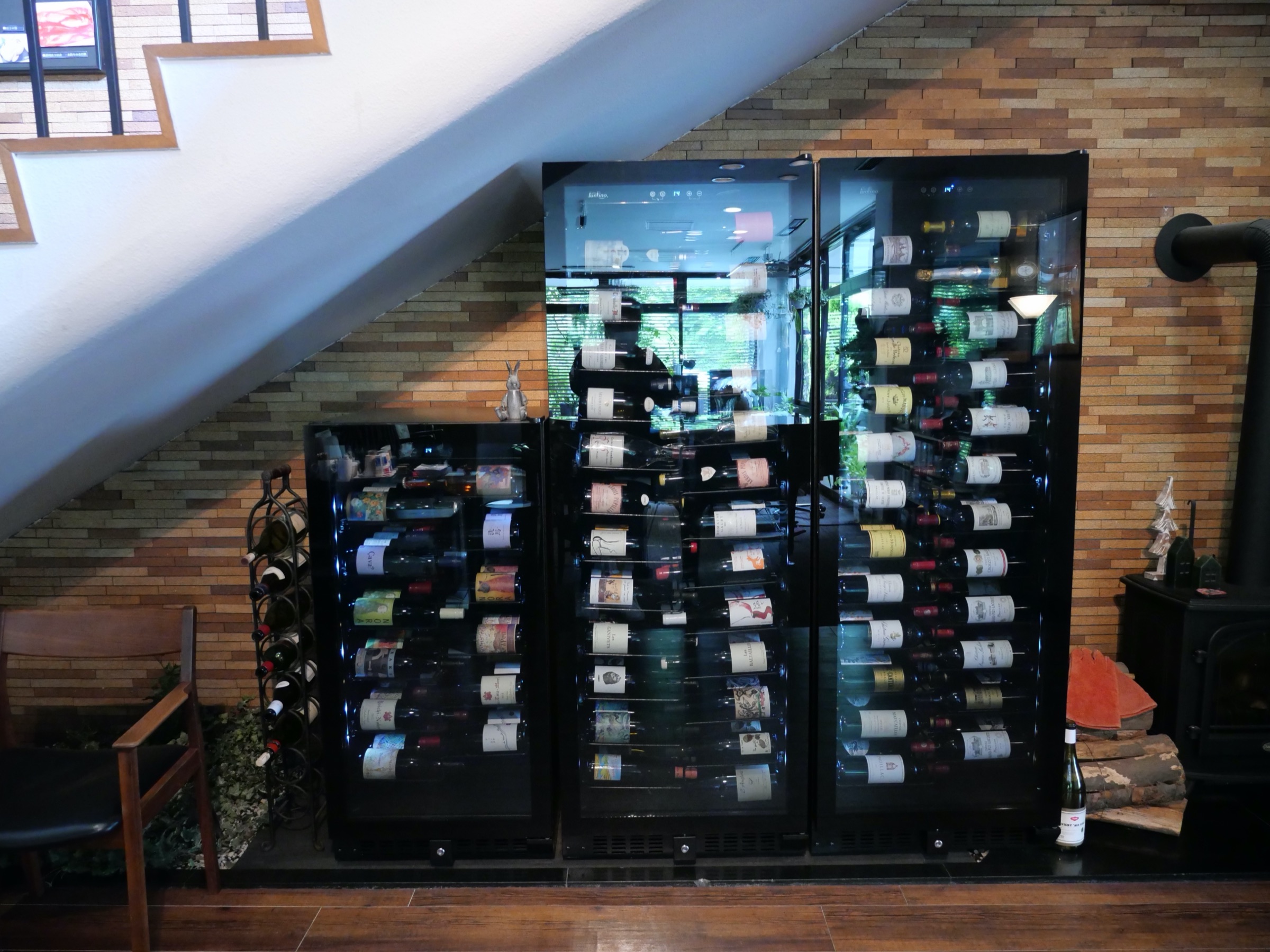
The art of not trying too hard
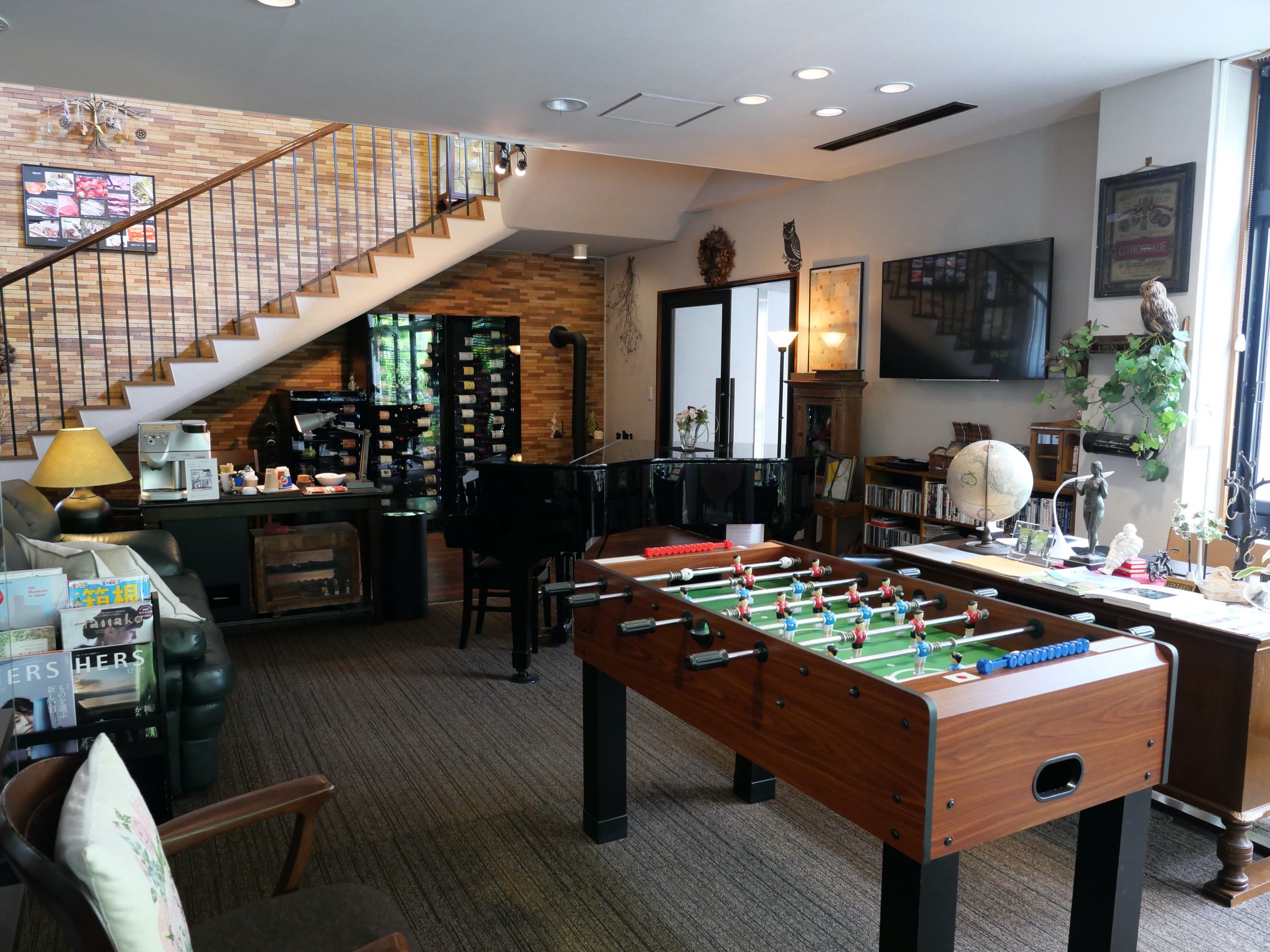
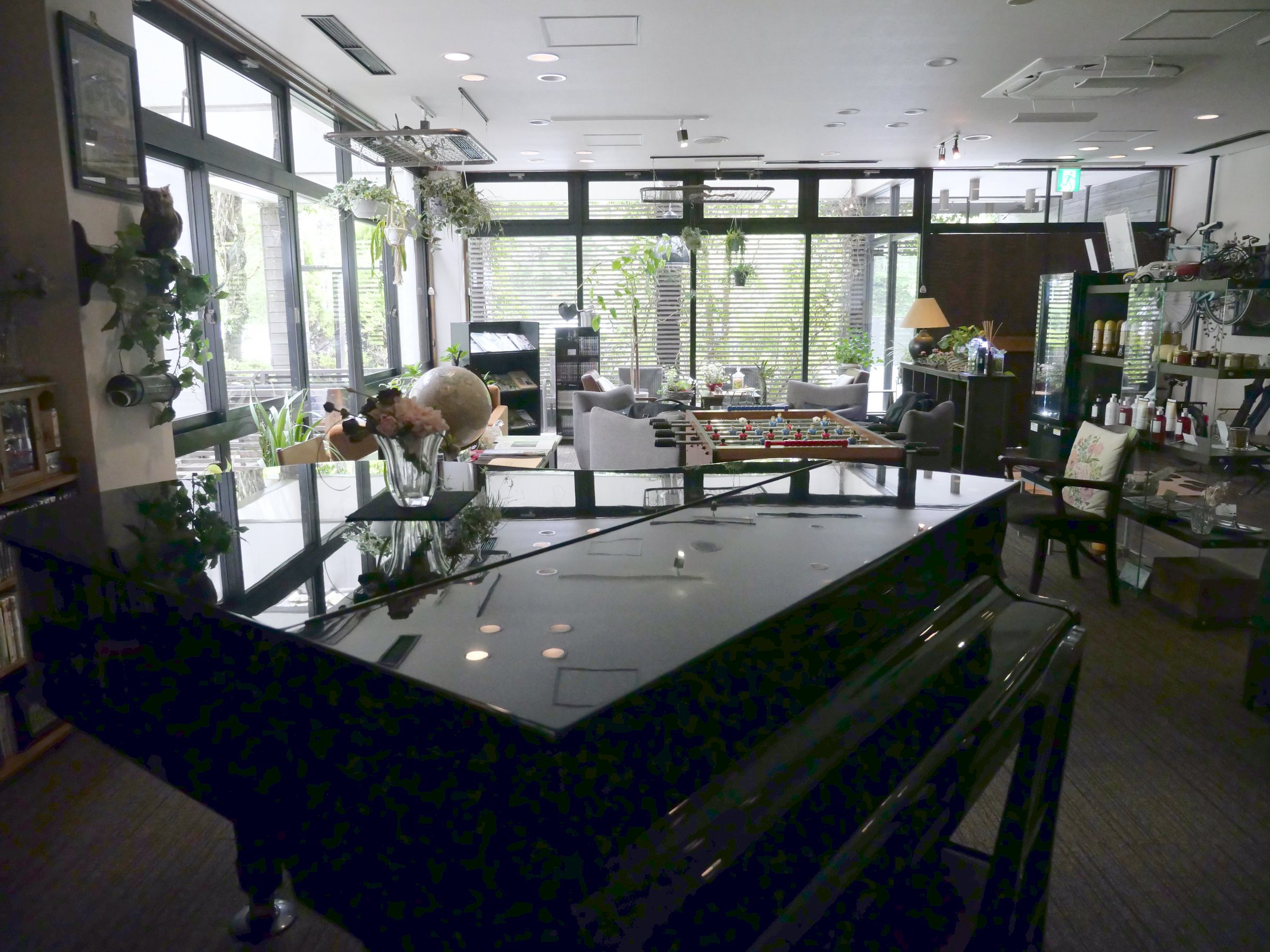
A grand piano stood in the lobby, placed so discreetly that it barely drew attention to itself, which is rarer than it sounds. The interior was unpretentious yet stylish, and it said a good deal about the auberge’s philosophy.
Shelves of magazines and travel books made the lobby an ideal place to settle in with something to read.
To our surprise, we turned out to be the only guests booked that night. The world was in the middle of the pandemic, and we had arrived with some unease about visiting at all. The staff put it to rest at once, telling us warmly, “We’re so grateful you came.”
A room with two springs
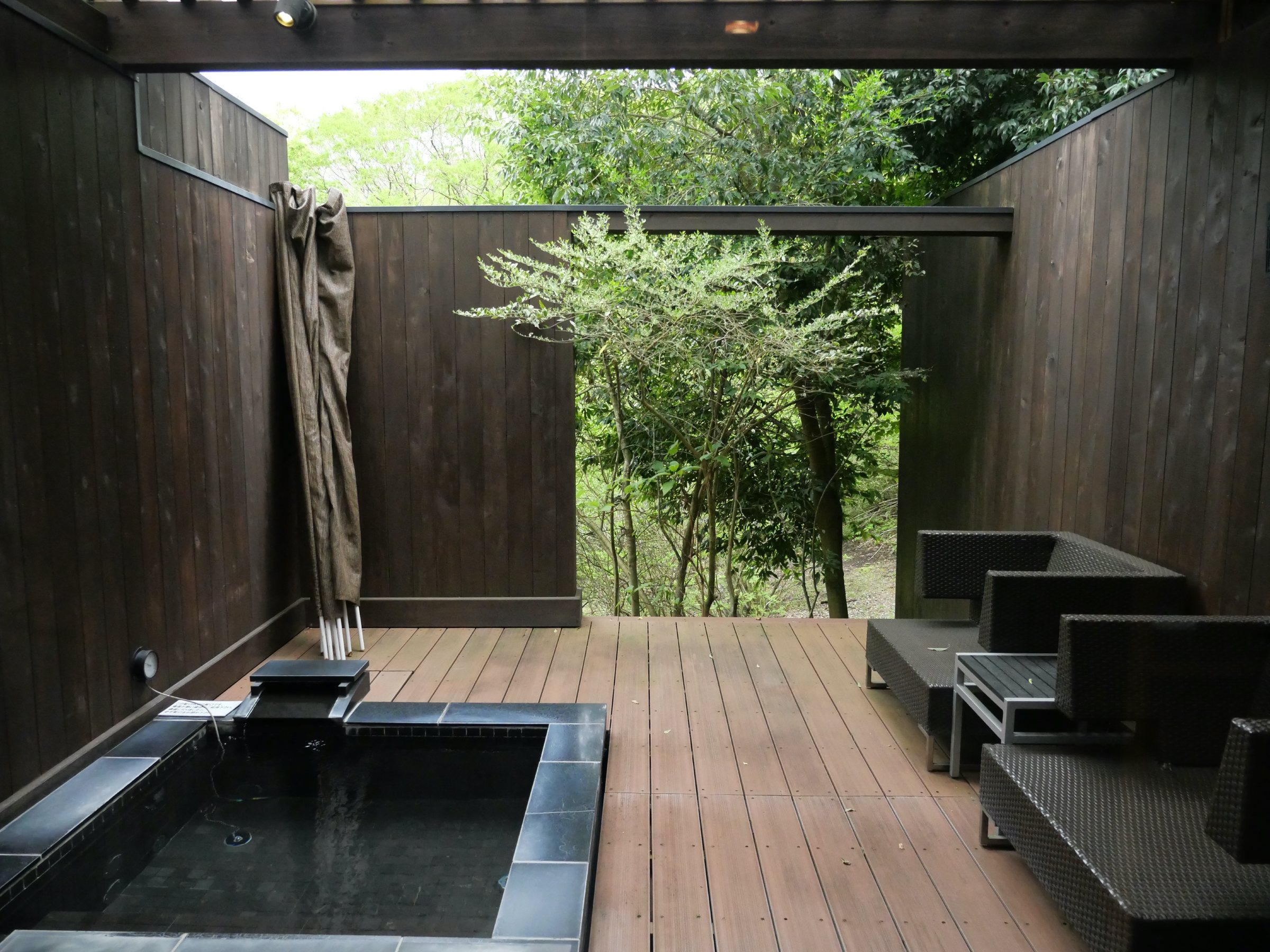
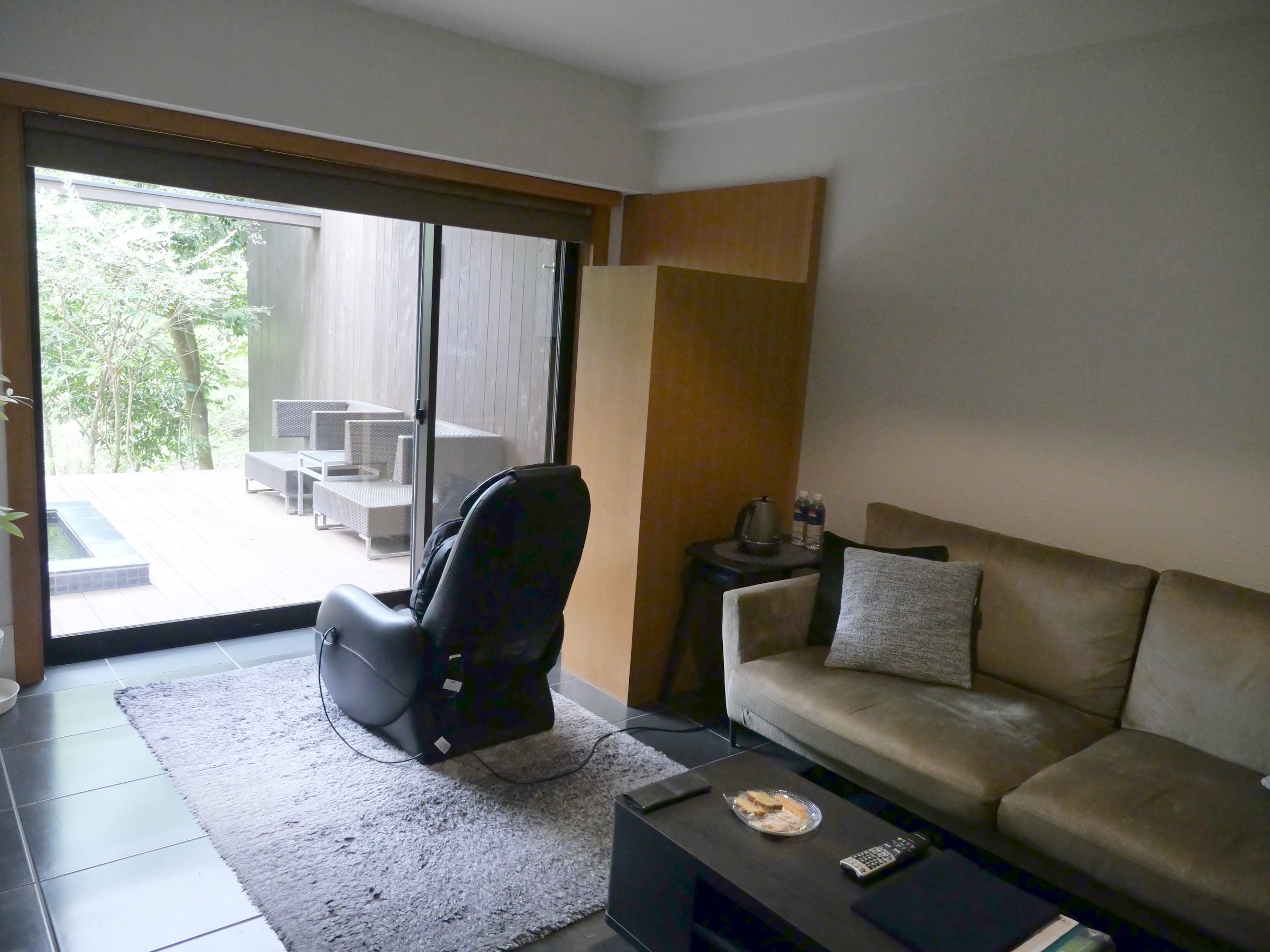
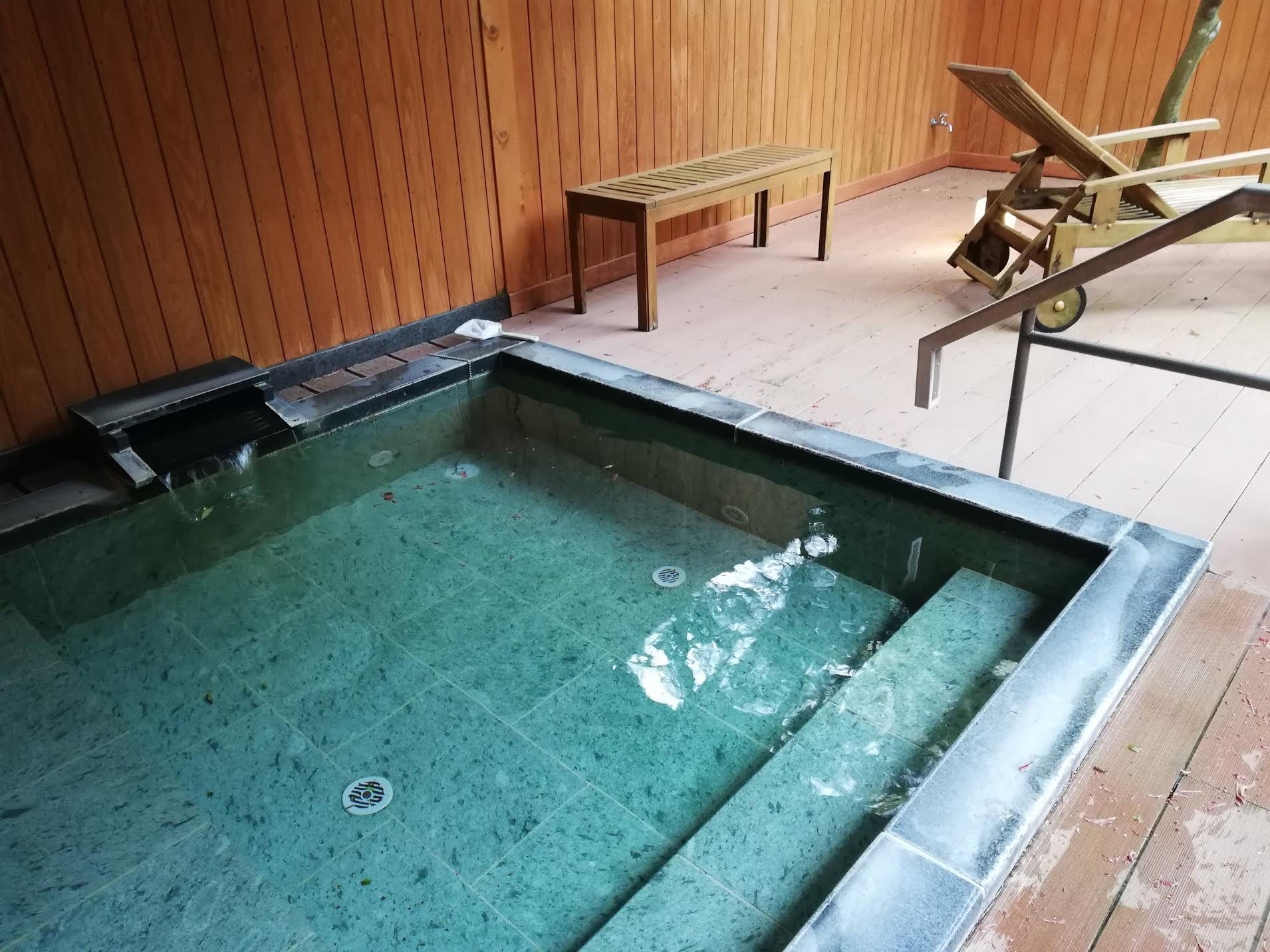
Because we were the only guests, they kindly upgraded us to a much grander room, with its own open-air bath fed by Sengokuhara hot spring water and a massage chair.
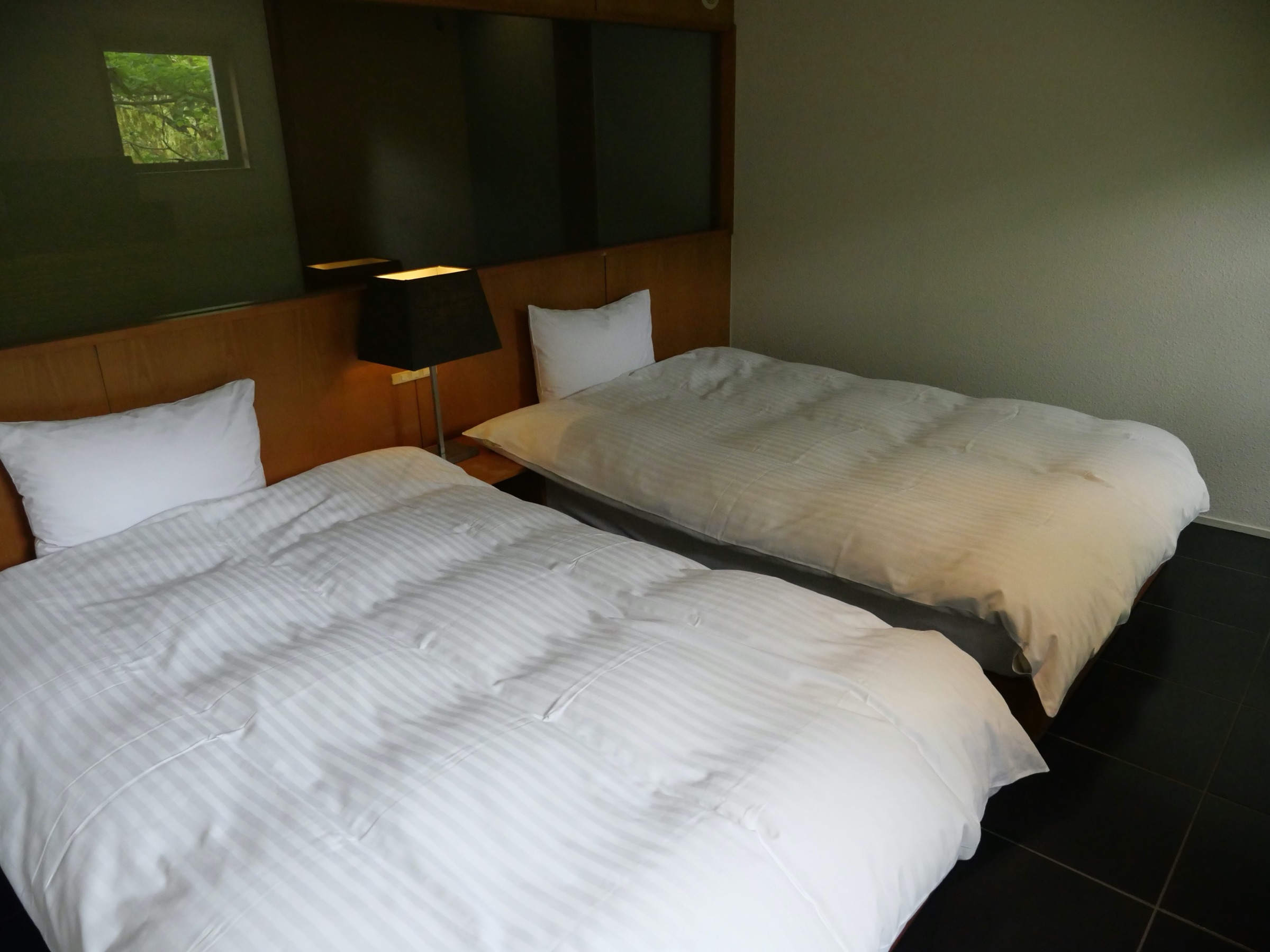
The room was decorated in beige and brown, and the bedroom had a television and Bluetooth audio, both welcome. It was an ideal spot for enjoying Hakone’s hot springs and its greenery at the same time. A mini wine cellar held a selection of upmarket wines. They were charged separately, but they were perfect for anyone who wanted to make a special evening of it in the room.
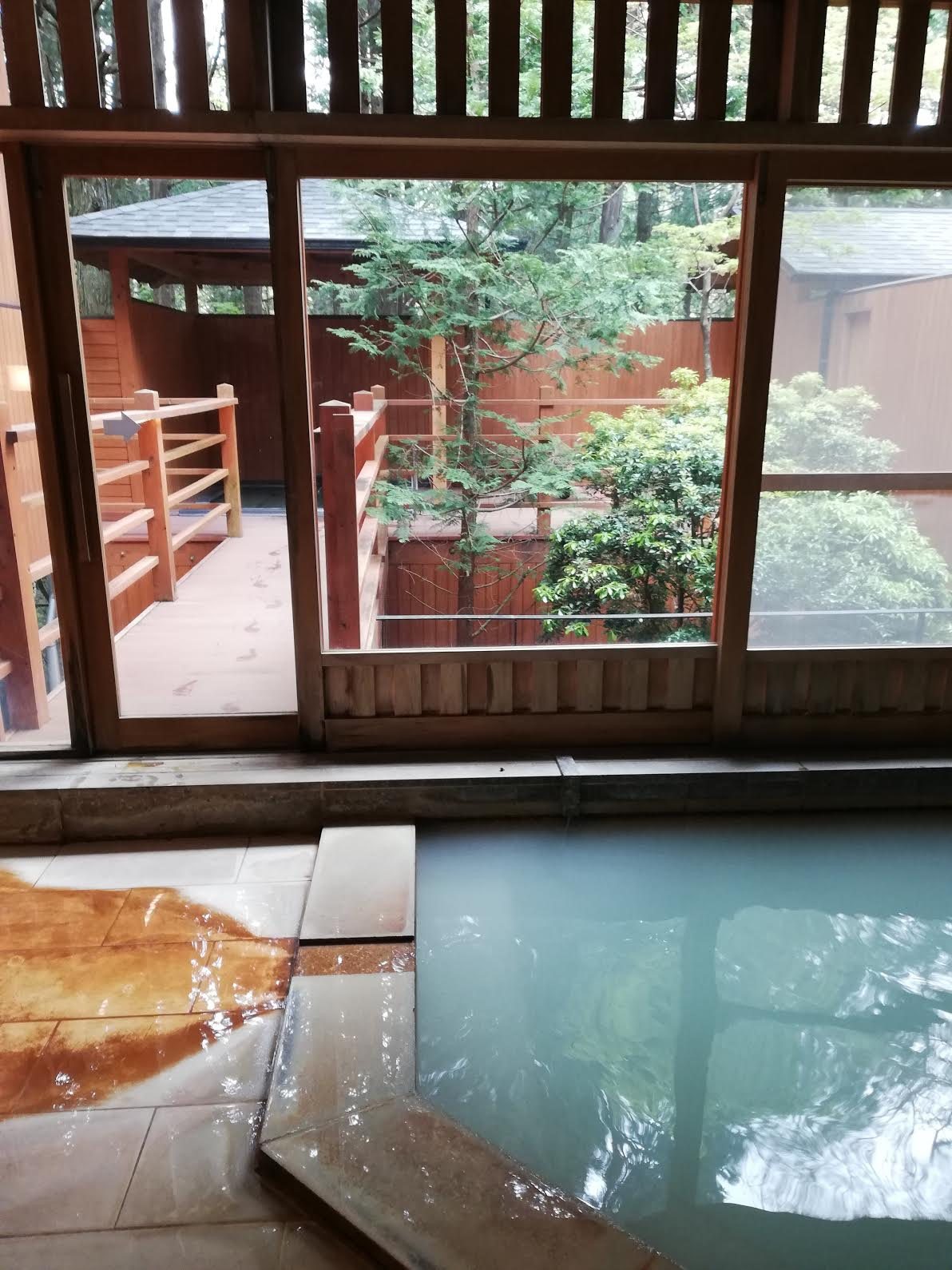
The private open-air bath was colorless, clear and pleasantly lukewarm, just right for a long soak. The indoor bath in the room, meanwhile, ran with milky water from the Owakudani hot spring, supplied gensen kakenagashi, straight from the source and never recirculated. Two different hot springs without even leaving the room came as a genuine surprise.
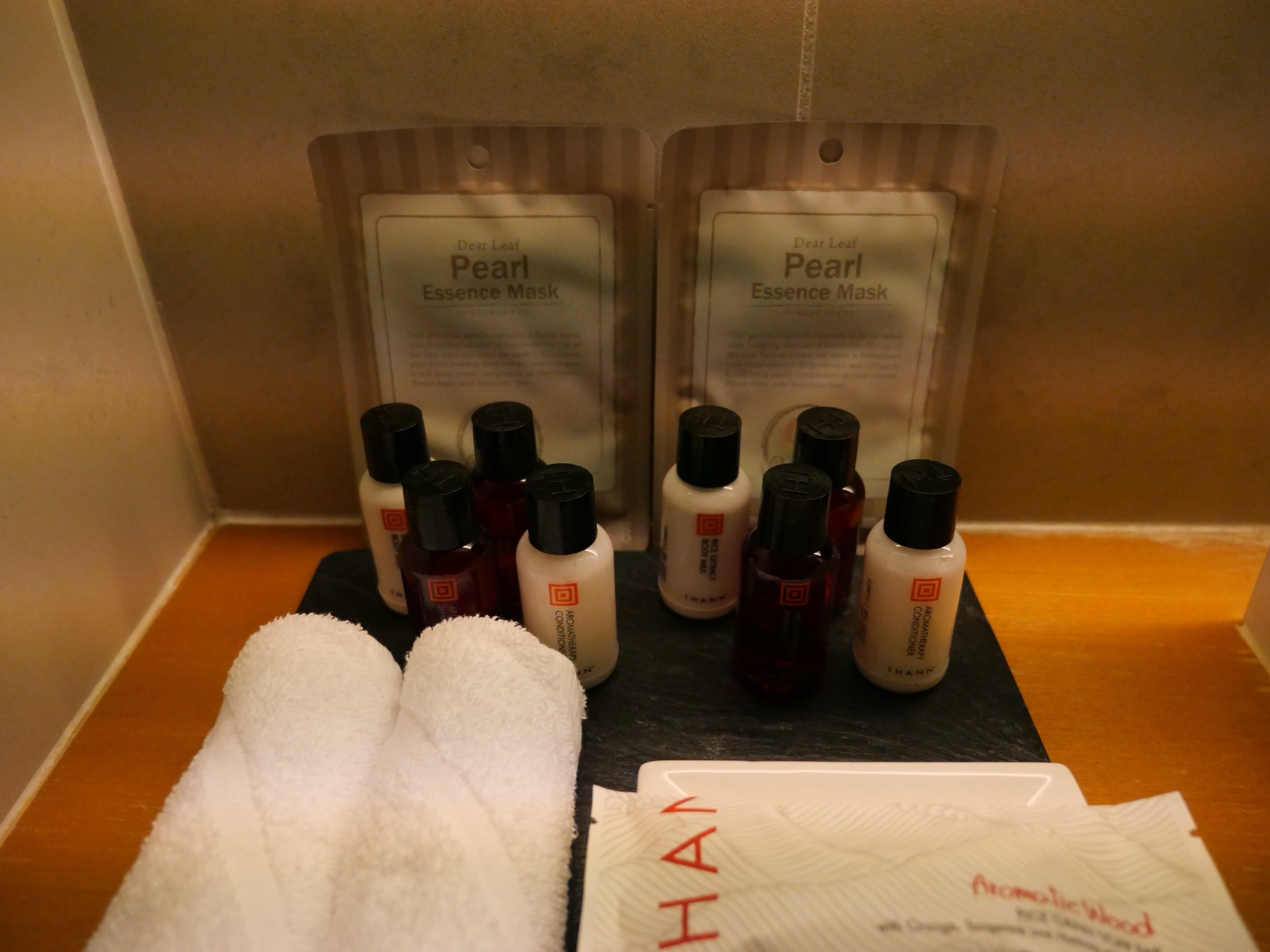
The amenities were generous, and a welcome sweet waited on the table. Whether an in-room sweet is handmade or bought in changes your impression of a place considerably, and already the auberge’s commitment to its cuisine was showing. The modern room’s colors and furnishings seemed chosen to slow us down and help us settle.
The baths, reserved for us alone
Naturally, the communal baths were ours alone as well, and the staff had gone so far as to hang a sign reading “Reserved today”.
The changing room was spotless. Both baths used 100 per cent hot spring water: a cloudy indoor bath and a clear outdoor one, each kept at a gentle temperature. It was a setting designed for long, slow soaks with the feeling of bathing in the forest. At one point we noticed a framed “Onsen Sommelier” certificate on the wall, a touch of humor about the hot springs that we rather enjoyed.
Dinner: a dining room lit for absent guests
Warmed through by the hot springs, we took a breather. Then it was time for the main event: the cuisine.
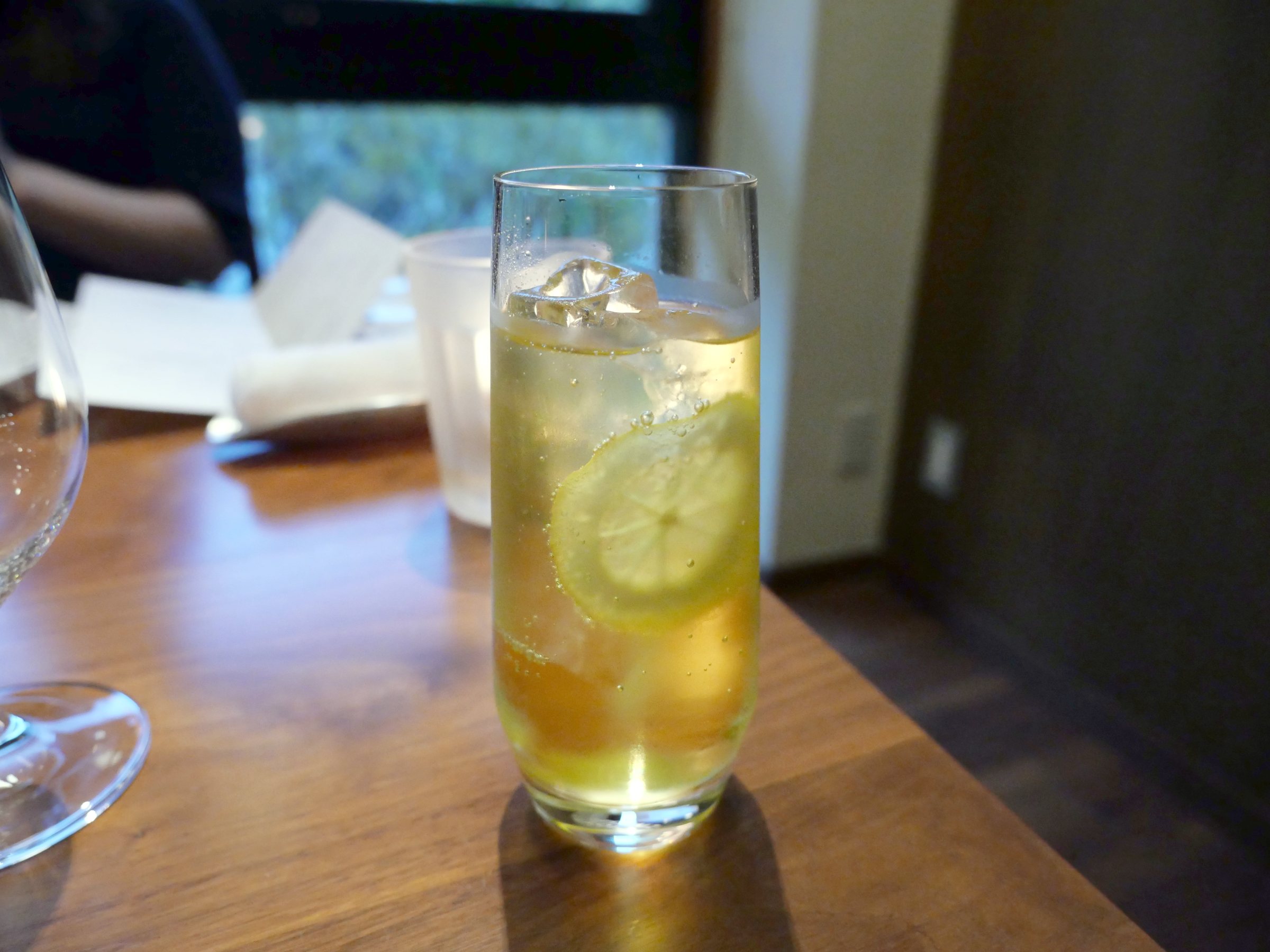
We deliberately chose a refreshing citrus tea. Nothing tastes better than a soft drink from a restaurant that takes its cooking seriously.
The restaurant on the second floor was, of course, ours alone. Even so, every empty table had been set and every candle lit. It delighted us and, at the same time, chased away any sense that the room felt empty. The menu was prix-fixe, with a choice of hors d’oeuvre and two mains.
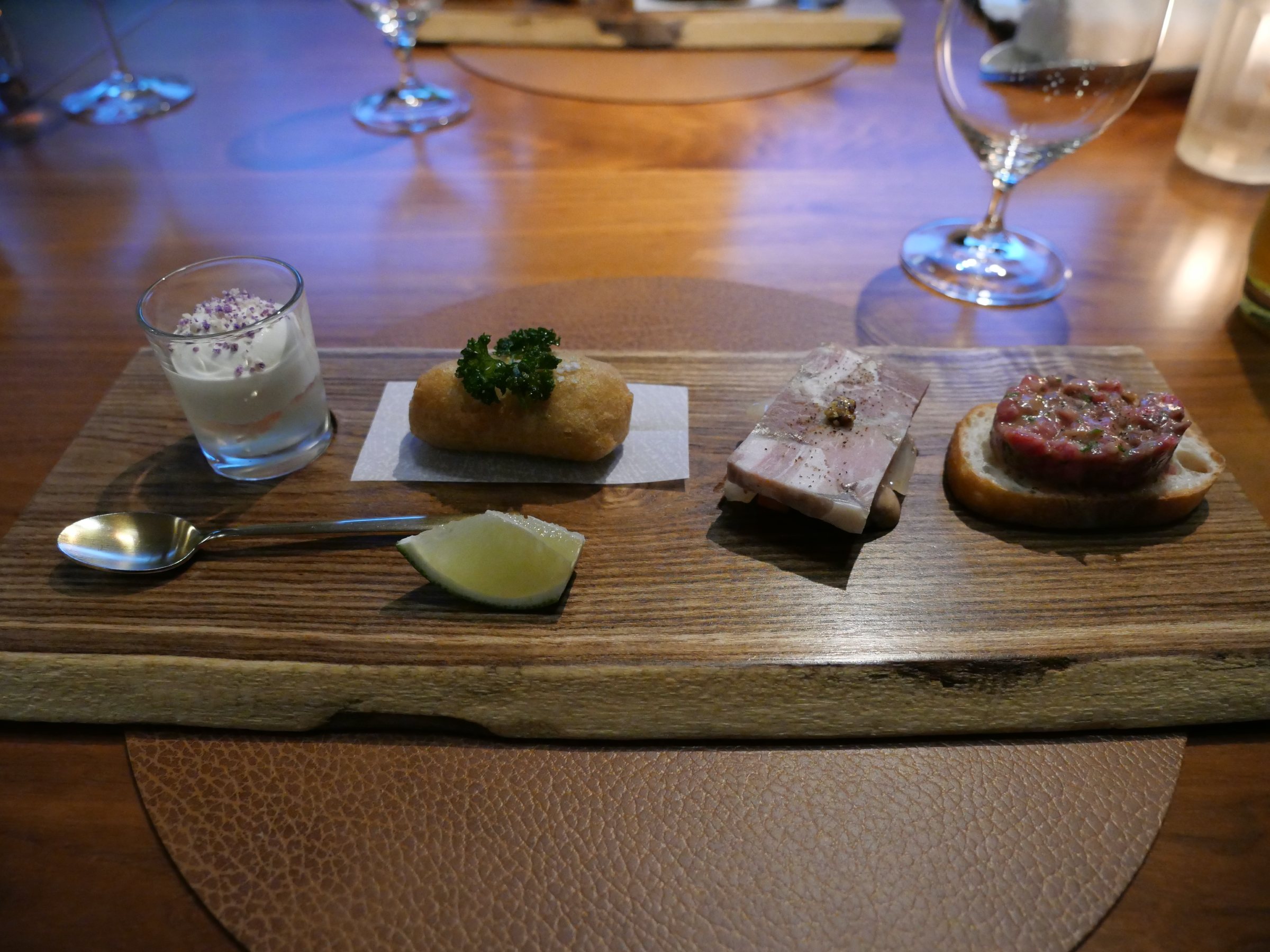
The very first plate, the amuse-bouche, showed the kitchen’s attention to detail. From left: a consommé-flavored espuma, a white fish fritter, a house-made terrine of pork cartilage, and a beef tartare bruschetta. Each was a small, labor-intensive work of art. The tartare and terrine were seasoned just right, with no trace of gaminess, a sign of careful preparation. The fish fritter was meant to be popped in by hand in a single bite, but that seemed a waste, so we broke it open: delicately seasoned fish beneath a coating that stayed crisp to the very end. The texture was so new to us that we wondered what flour could possibly be in the batter.
The bread arrived warm and smelling of good wheat, set on a lava stone to keep its heat, which was a thoughtful touch. With it came Calpis butter, a rare butter with a clean yet elegant richness, along with oil and a ham paste that was, quite simply, outstanding.
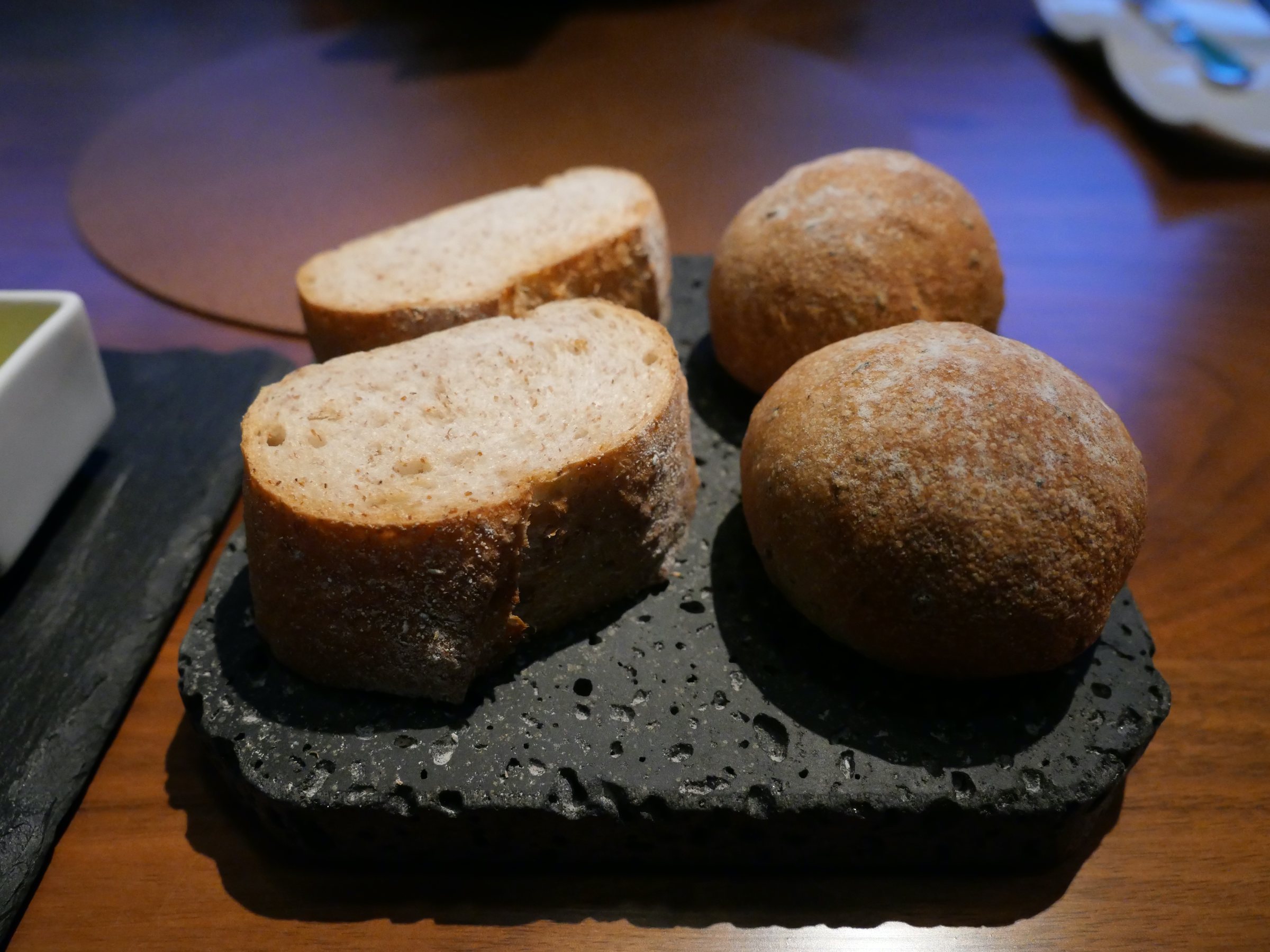
The hors d’oeuvres
Here we each chose from the prix-fixe menu.
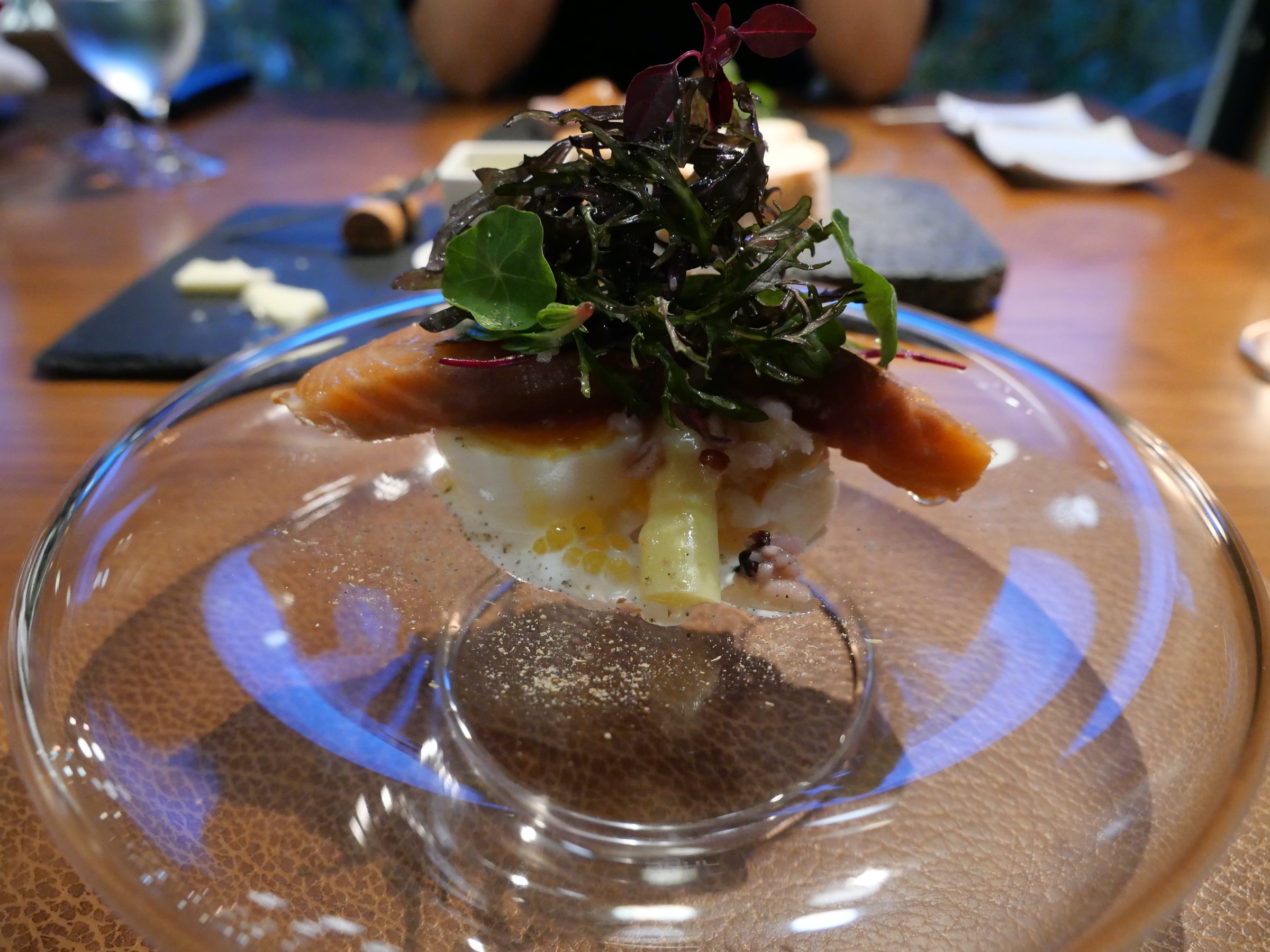
Mount Fuji smoked salmon with salade niçoise. The smoked salmon brought all the other ingredients together. Its pleasant smokiness hit at the first bite and lingered afterwards, with the marinated vegetables on top adding contrast. The generous cut of the ingredients was another plus.
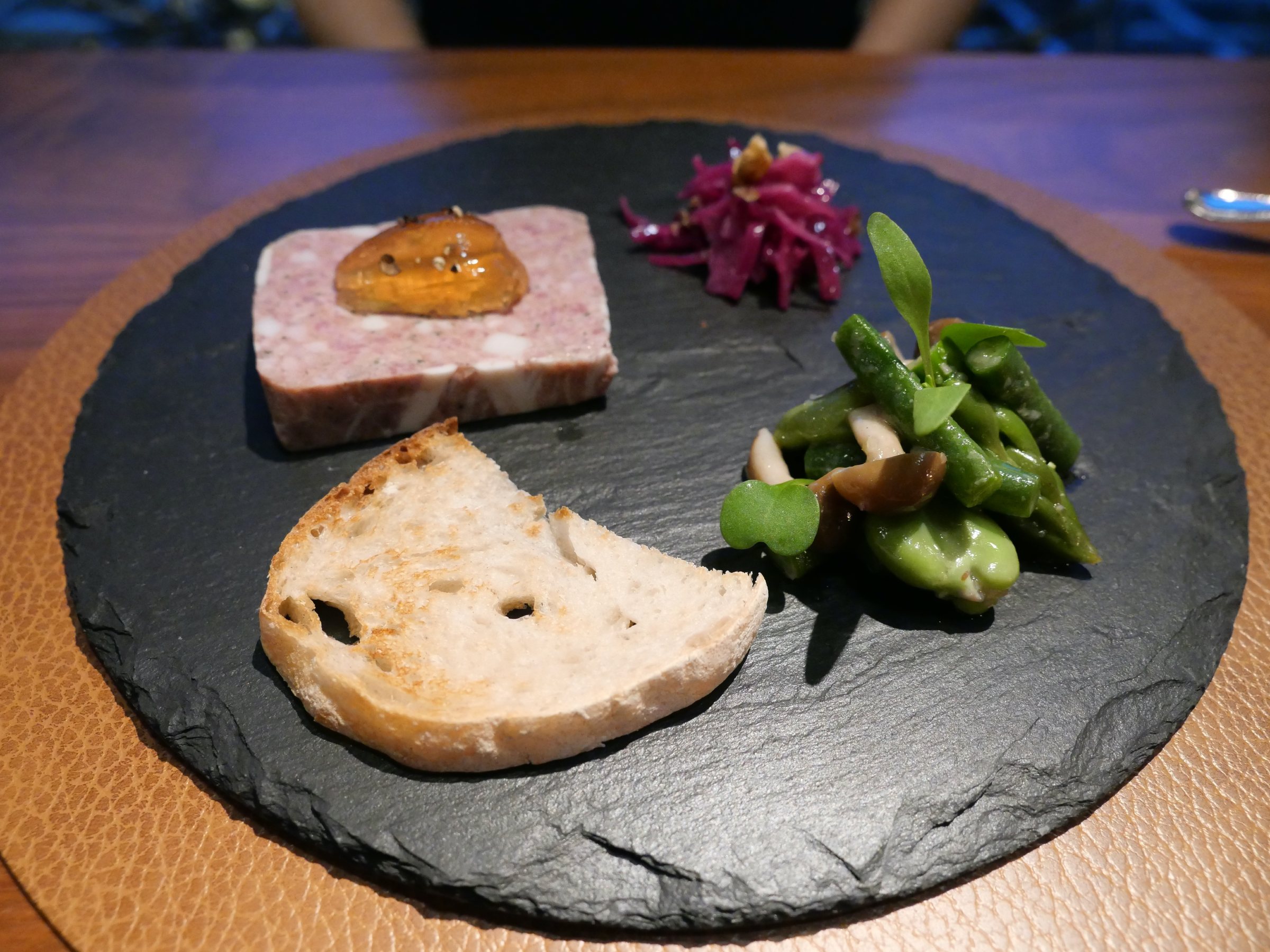
Terrine of Sanroku pork and shamo chicken. Terrine is a personal favorite of mine, so I ordered it yet again. A restaurant that can offer two different terrines, each demanding time and effort, deserves real credit. The salad was elegantly seasoned too: never bland, yet thoughtfully designed to finish clean.
Fish, granité, and the mains
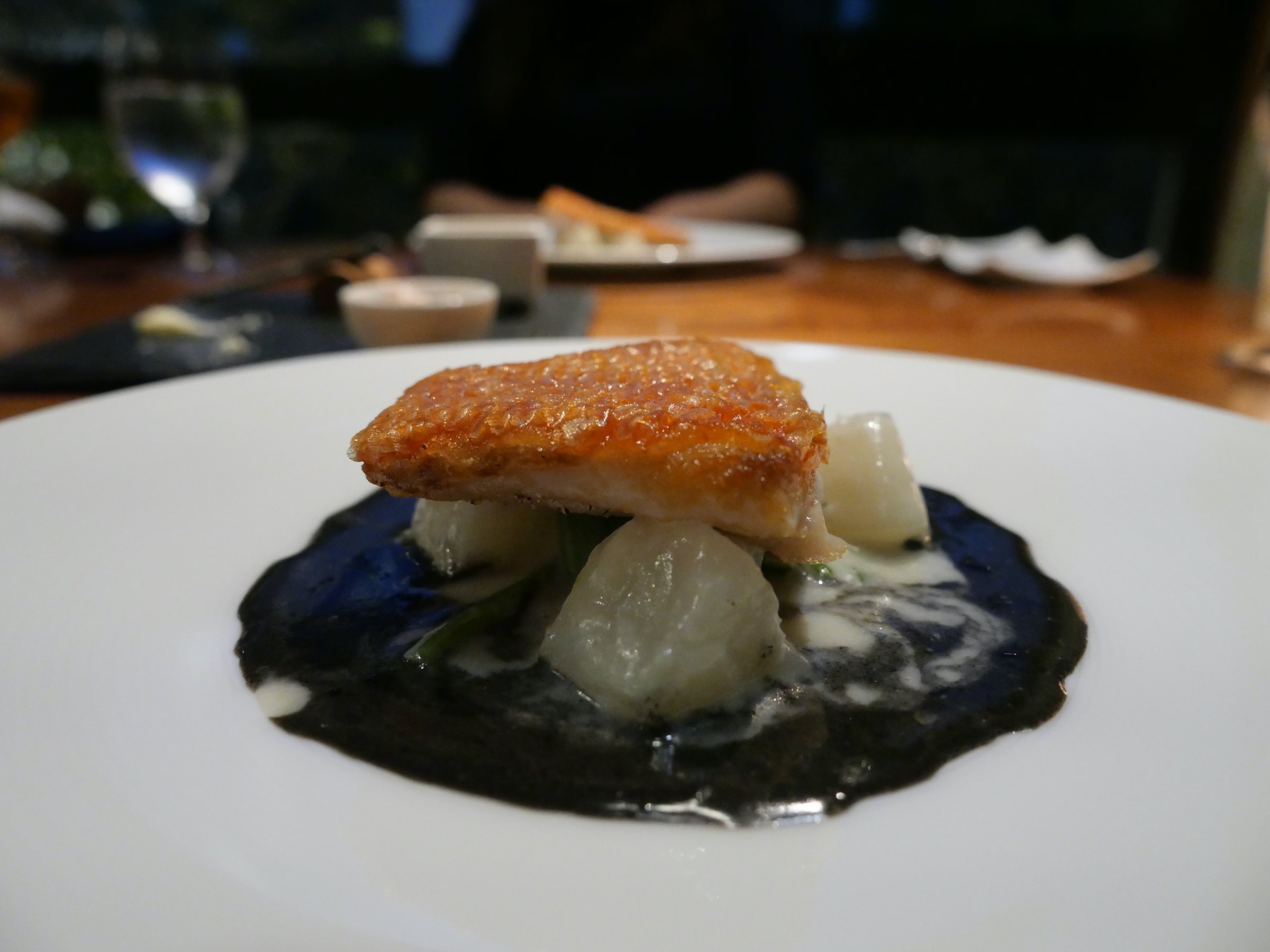
The fish course was left to the chef: kinmedai (splendid alfonsino) poêlé with squid ink sauce. This was exactly the poêlé we had hoped for. The skin was crisp, each scale standing on end, and the flesh beneath stayed moist. It drew an appreciative murmur from both of us.
The sauce was even more of a surprise. We were told it was made with squid ink and butter, and we could hardly believe a sauce could taste this good: deep and rich, with just a faint breath of the sea from the ink.
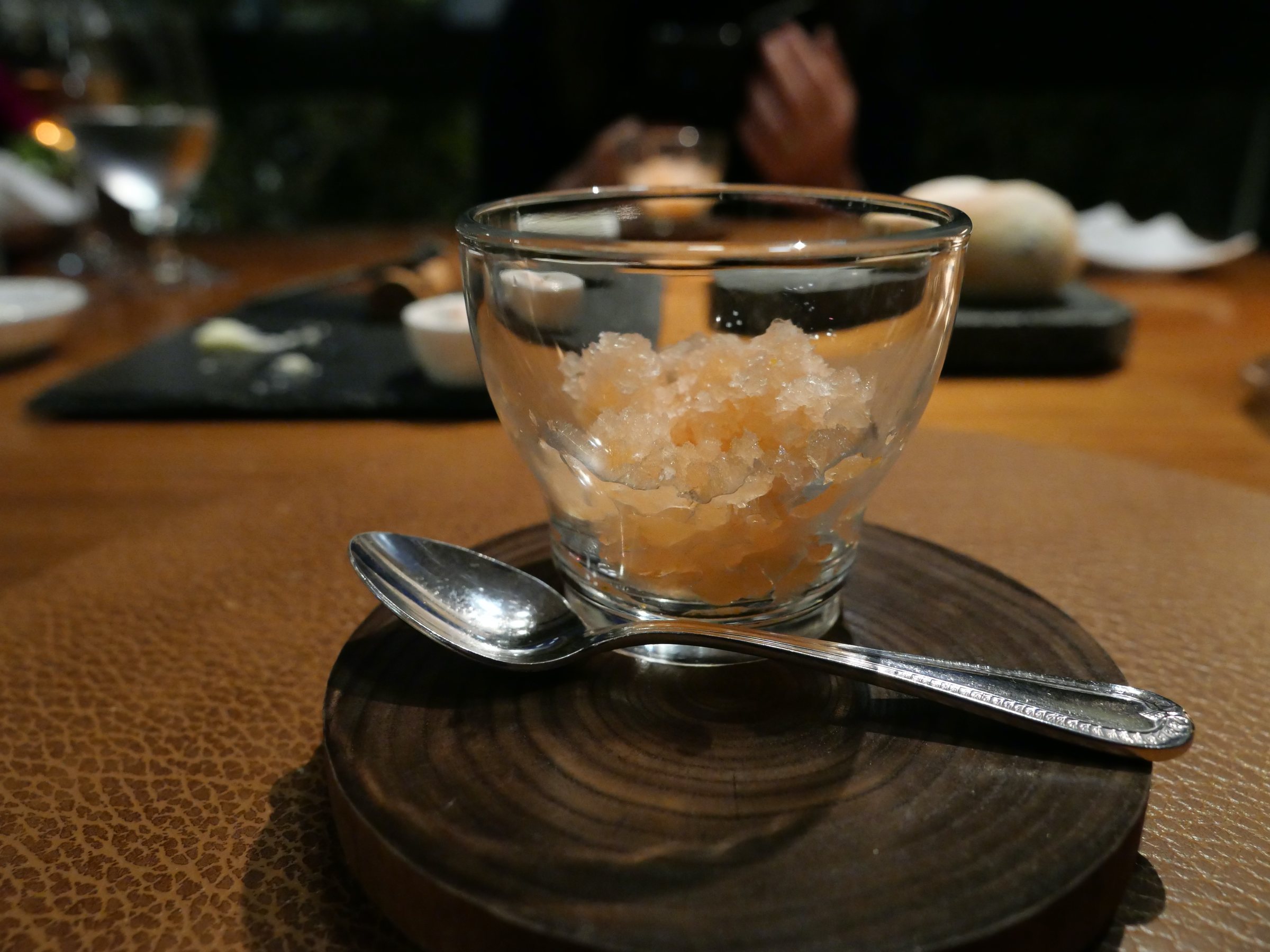
A granité followed, sweet enough to refresh the palate and with the fresh bitterness of citrus, leaving us looking forward to the mains.
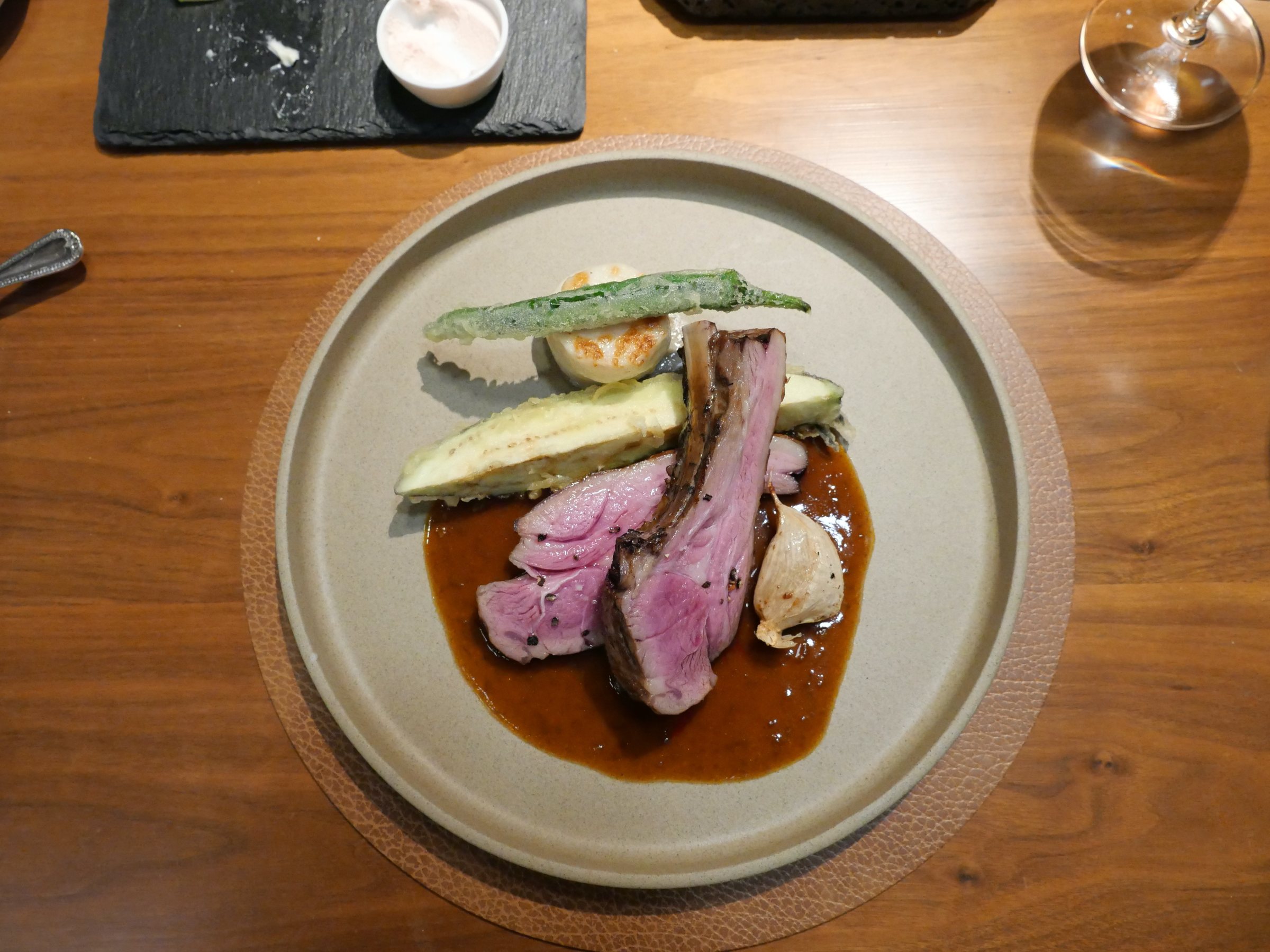
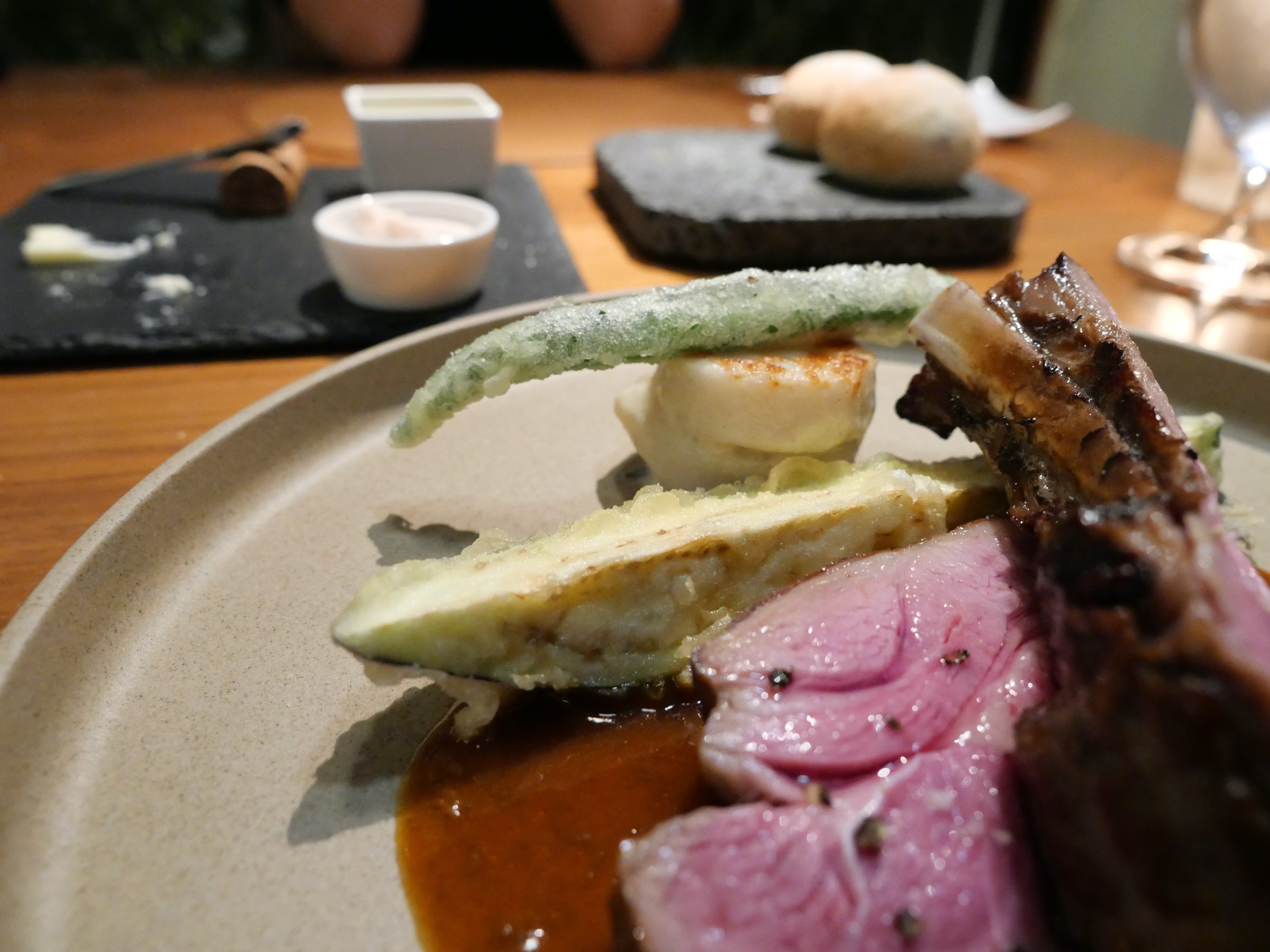
Slow-roasted lamb. Smoked meat with a fragrant sherry sauce, cooked to exactly the right point. Even the vegetable fritters had been cooked and plated with care. Adding a hint of garlic turned it into something bolder and wilder.
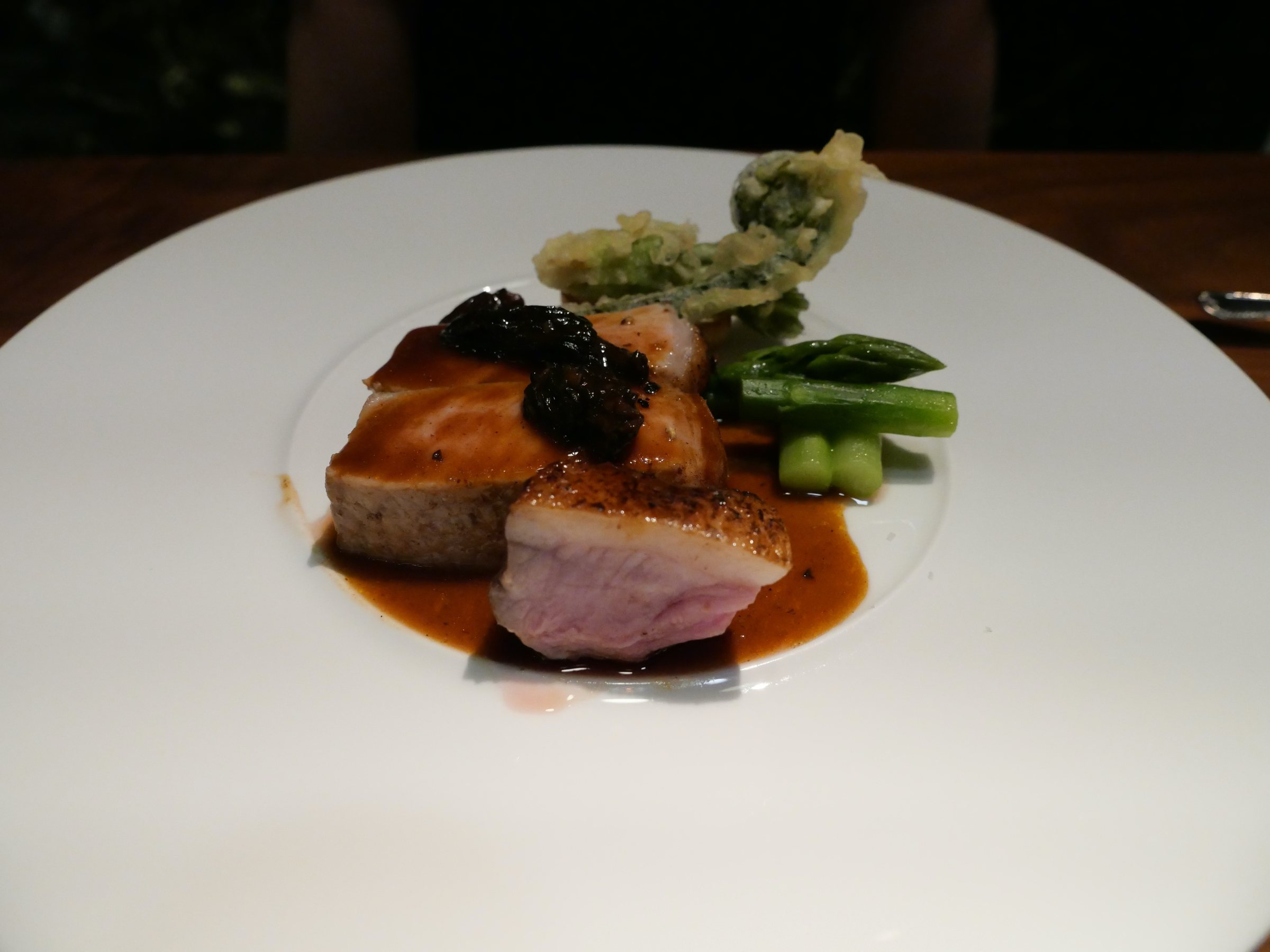
Roast pork loin with mountain-vegetable tempura. The meat was full of concentrated flavor and came with a sauce of refined sweetness. A sauce of morels, an unusual mushroom, made a perfect match. It had some bite, yet the knife slid through it with ease. The menu spoke of a fritter, but the chef served seasonal tempura instead, which we thought a stylish touch.
Desserts, two each
We each chose two desserts.
Banana mousse. The moist mousse was partly frozen, almost like a sorbet, which made for a genuinely interesting texture. The banana flavor was rich without ever becoming cloying. We were just remarking how unusually generous this French menu was when we noticed our plates were already empty.
Citrus jelly. Simple, yet it showed the chef’s consideration. It seemed designed so that guests who don’t care for sweets can still enjoy the meal to the very end.
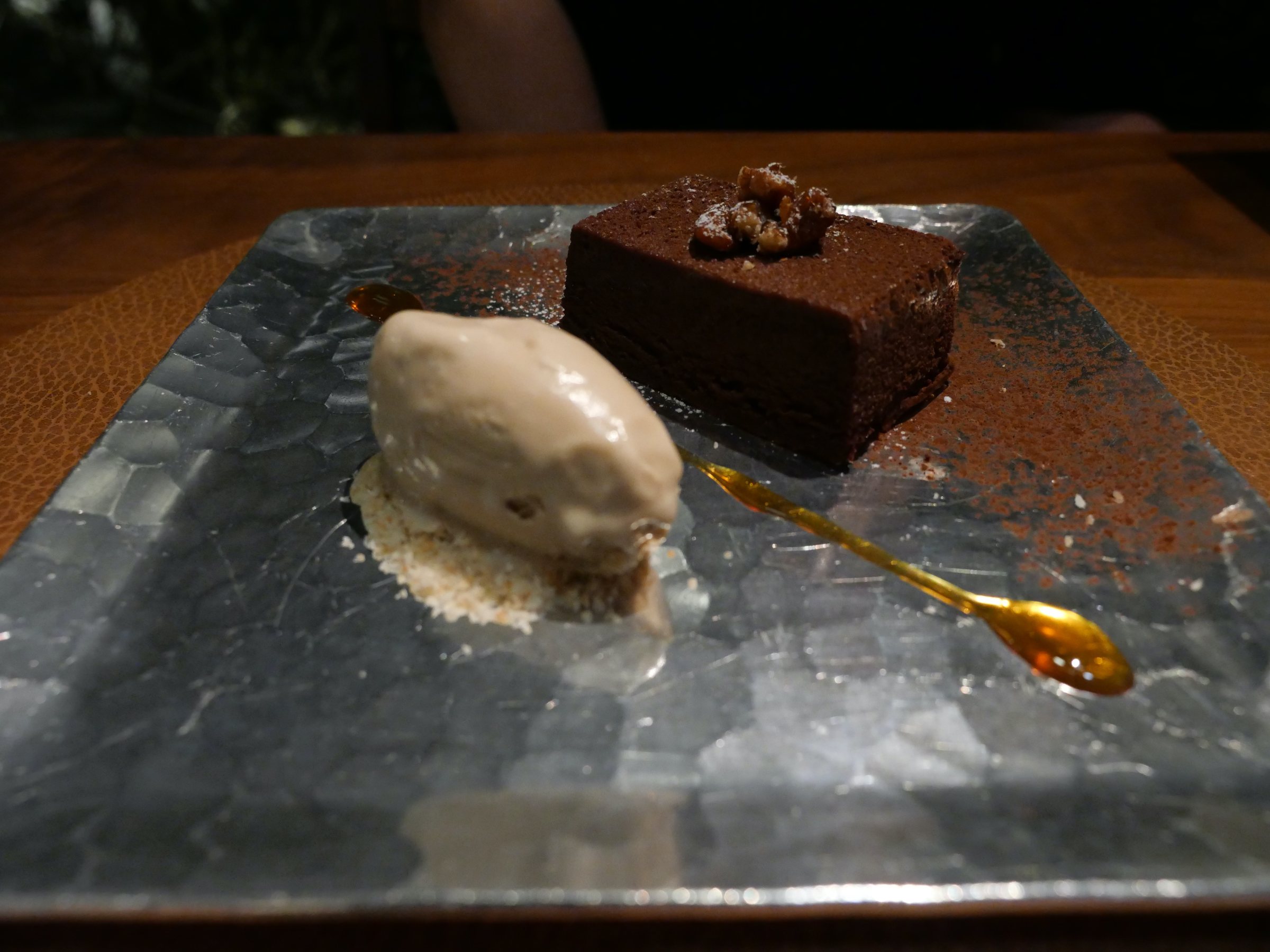
Chocolate cake with Darjeeling ice cream. We picked this to finish on something properly, intensely sweet. The plate was ice-cold, and the caramel sauce tasted slightly burnt. We were impressed.
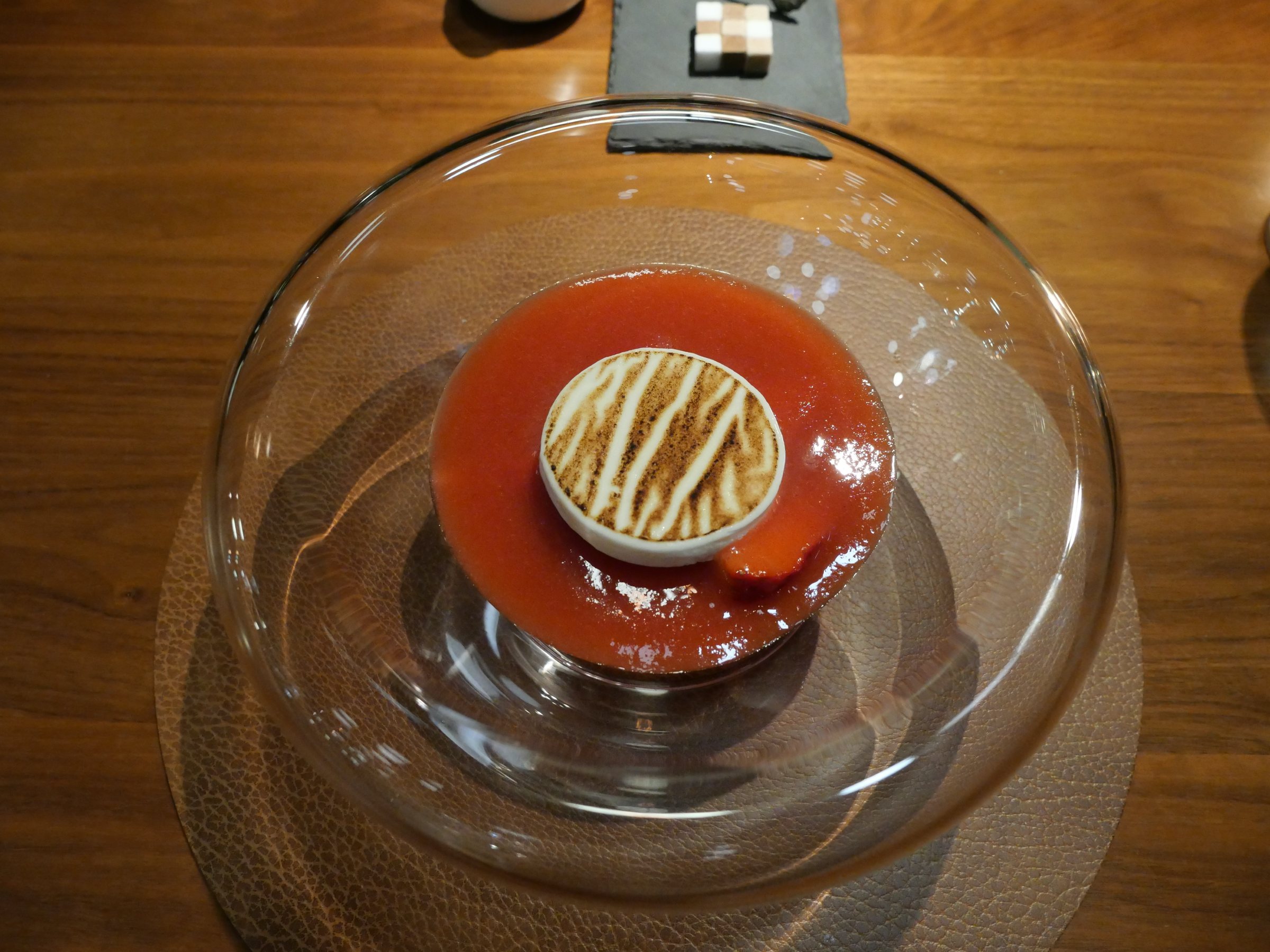
Soufflé with strawberry sauce. Being served several desserts is one of the real pleasures of a French menu. We enjoyed the strawberries’ sweet-tart charm alongside the toasted crust of the soufflé.
This was a restaurant that took as much care over its desserts as over everything else.
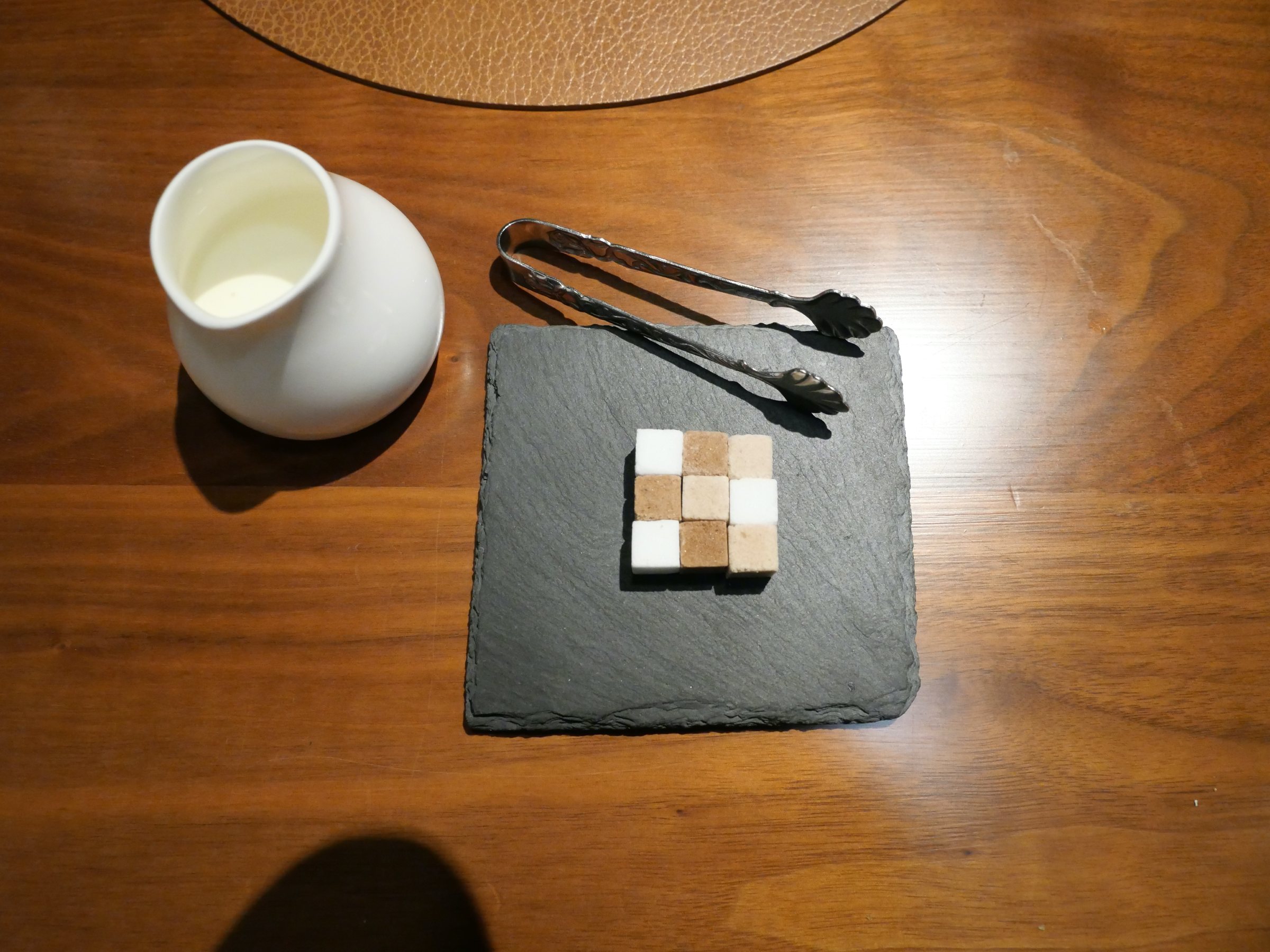
Then came coffee and sugar. Just as we were relaxing after a satisfying meal, the kitchen added one last flourish: sugar presented not in sachets or a simple bowl, as is usual, but in an elegant form that made a fitting finale.
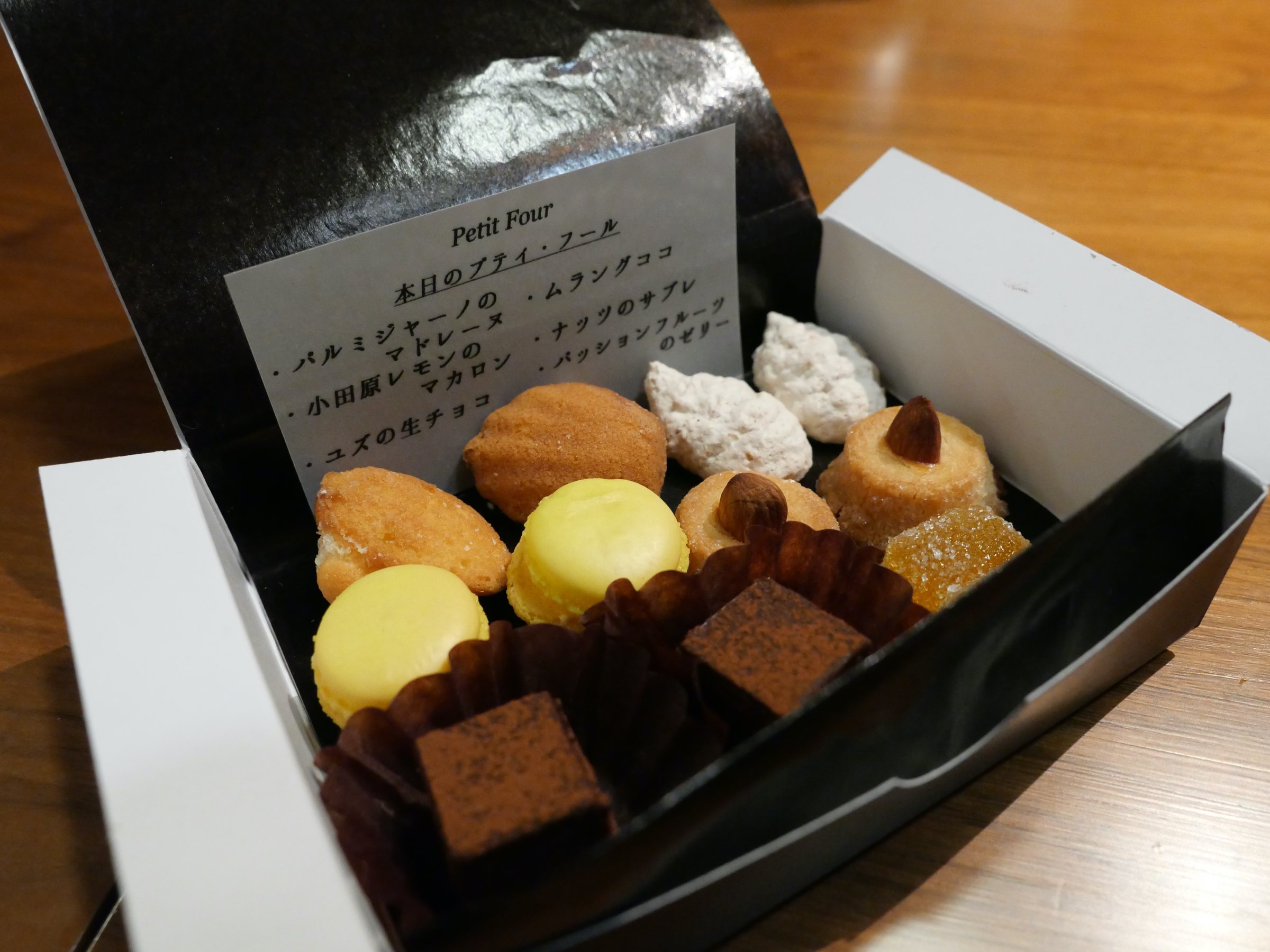
As if we were not content enough already, our garçon then brought us petits fours, house-made of course. His service was courteous and refined, he was always smiling, and he gave his all for a single table. We are deeply grateful for that professionalism.
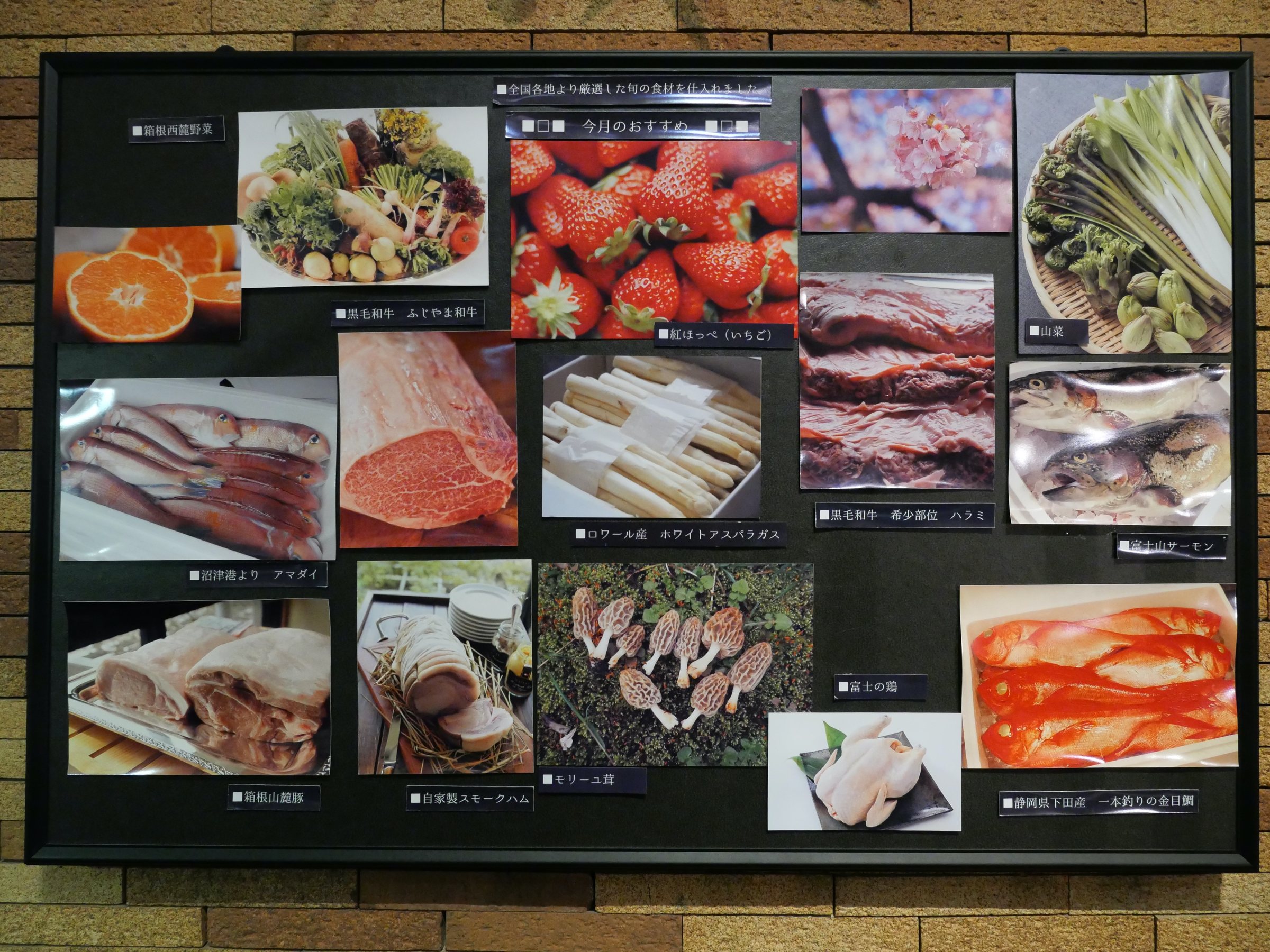
The chef is said to have previously worked at a two-Michelin-starred restaurant, and the flavors and technique made that easy to believe. The day’s ingredients were displayed with photographs and their places of origin. Knowing what produced the flavors and textures we had just enjoyed fixed the evening more firmly in our memories.
The luxury of silence
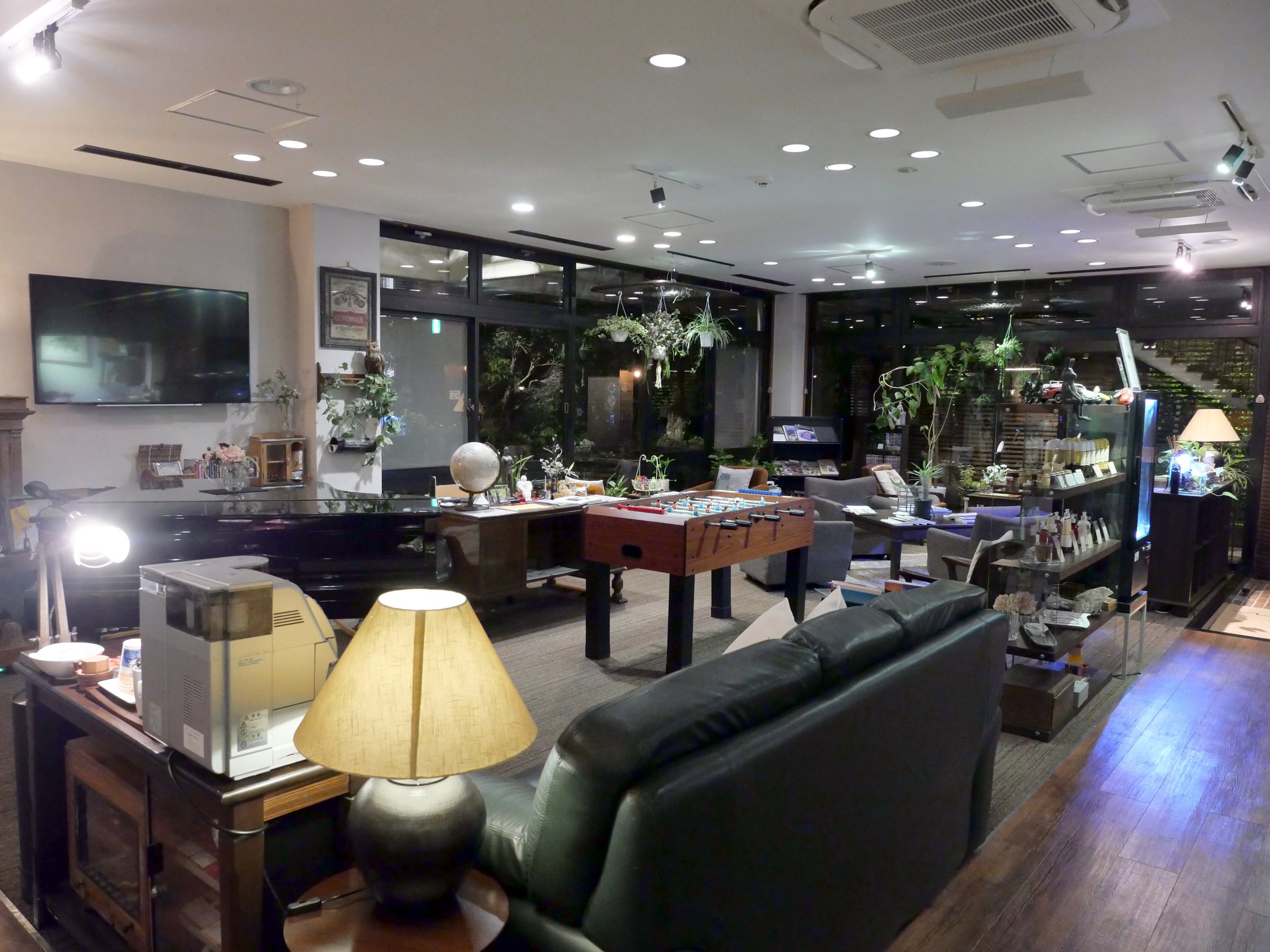
After dinner, we settled into the lobby to read. Minimal and never showy, it was so quiet and comfortable that we half mistook it for home.
The auberge seemed to run with a very small team. We hardly met anyone and never had to feel self-conscious. Service involved few words, and this was not the kind of place where you chat with the staff. The front desk was often unstaffed, which may leave some guests a little uneasy. In return, the place had a refined silence in which we could do as we pleased, as if it belonged to us alone. For those who like that, it is hard to beat.
We enjoyed the hot springs to our hearts’ content and slept deeply. The next morning, the remarkable cooking carried on.
Breakfast, as a second act
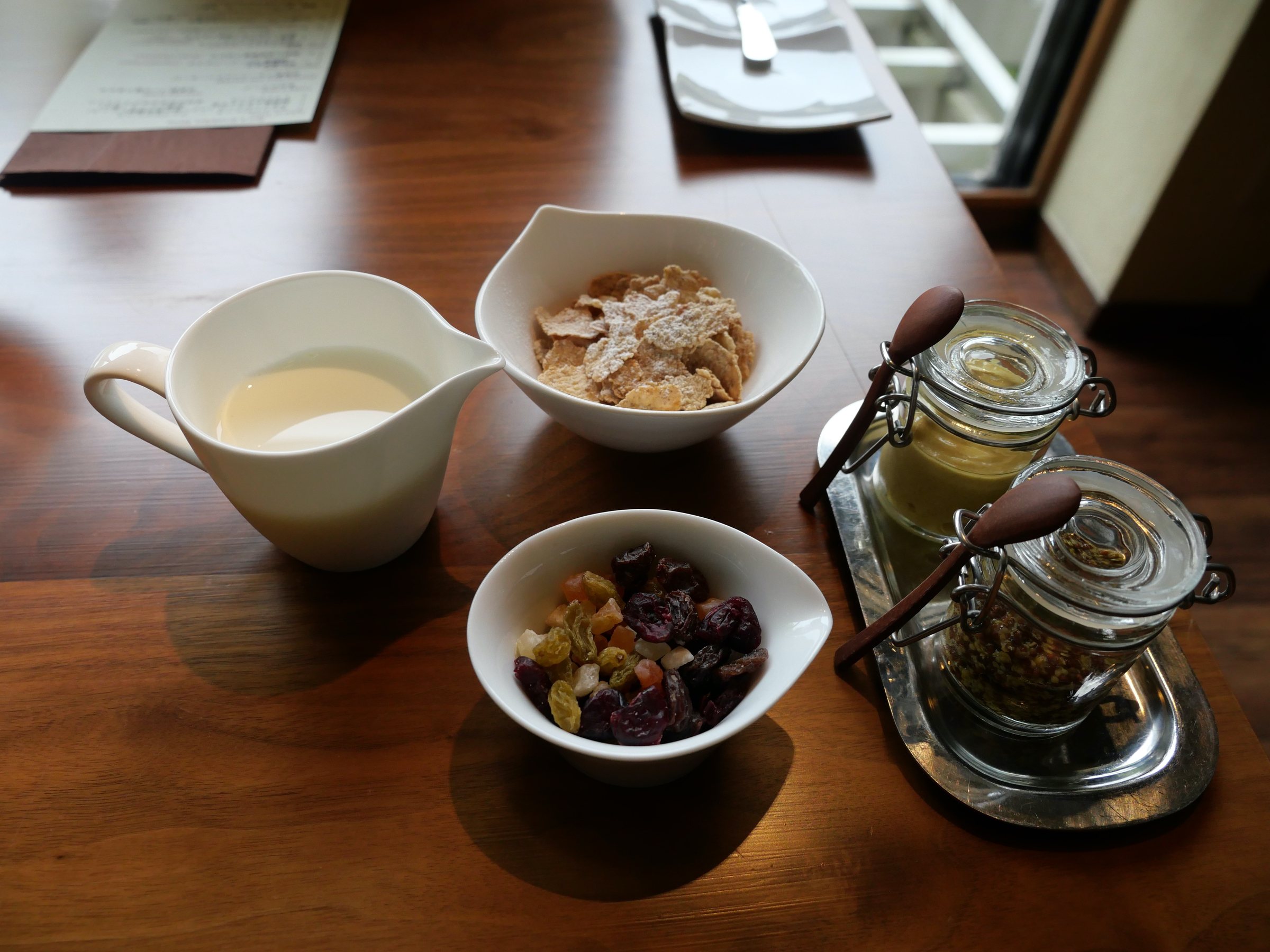
Breakfast began with brown-rice flakes and dried fruit with milk from a local dairy farm, house-made jam and butter, and an açaí drink: a health-conscious start. The flakes were toastier than they looked, as if lightly roasted, and very good. Even the cutlery seemed arranged with real refinement.
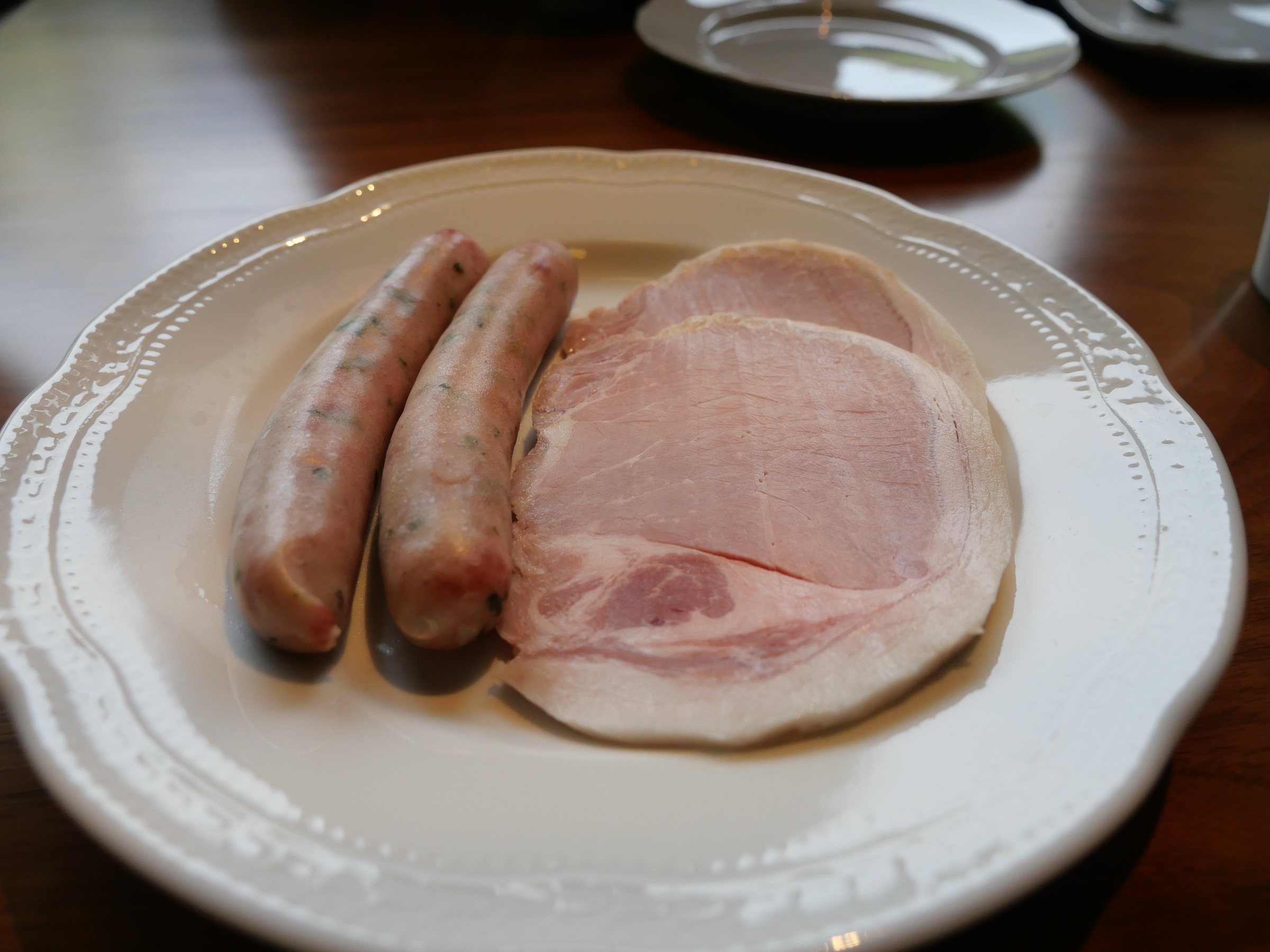
Then came house-made ham and sausages, perfectly salted: ham with a faint trace of smoke, and sausages whose skins snapped as we bit into them. A luxury first thing in the morning.
The salad was another prix-fixe choice. The leaf salad was generous, and both the amount and the flavor of the dressing suited the morning. This being an auberge, the salad could hold its head up as a dish in its own right. The other option, warm vegetables in consommé, came in a gentle broth with a faint scent of butter and a remarkable depth hidden beneath. Each vegetable seemed to have been boiled, or perhaps steamed, for its own length of time, so the textures shifted from one bite to the next.
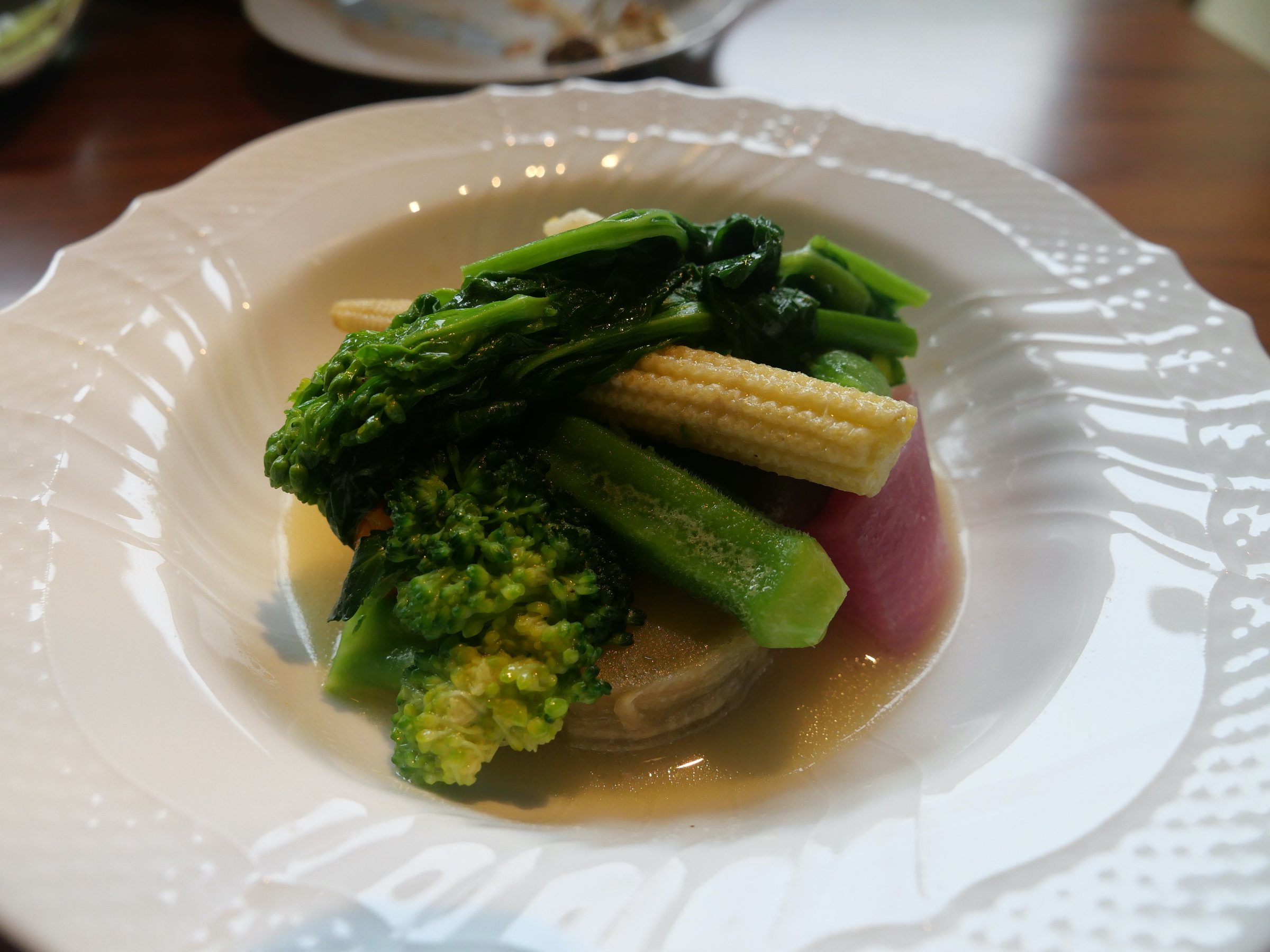
Then a soup with such deep, natural vegetable sweetness that we wondered when it had first been put on to simmer. The dishes arrived at exactly the right pace, as if the kitchen had adjusted to how fast we eat.
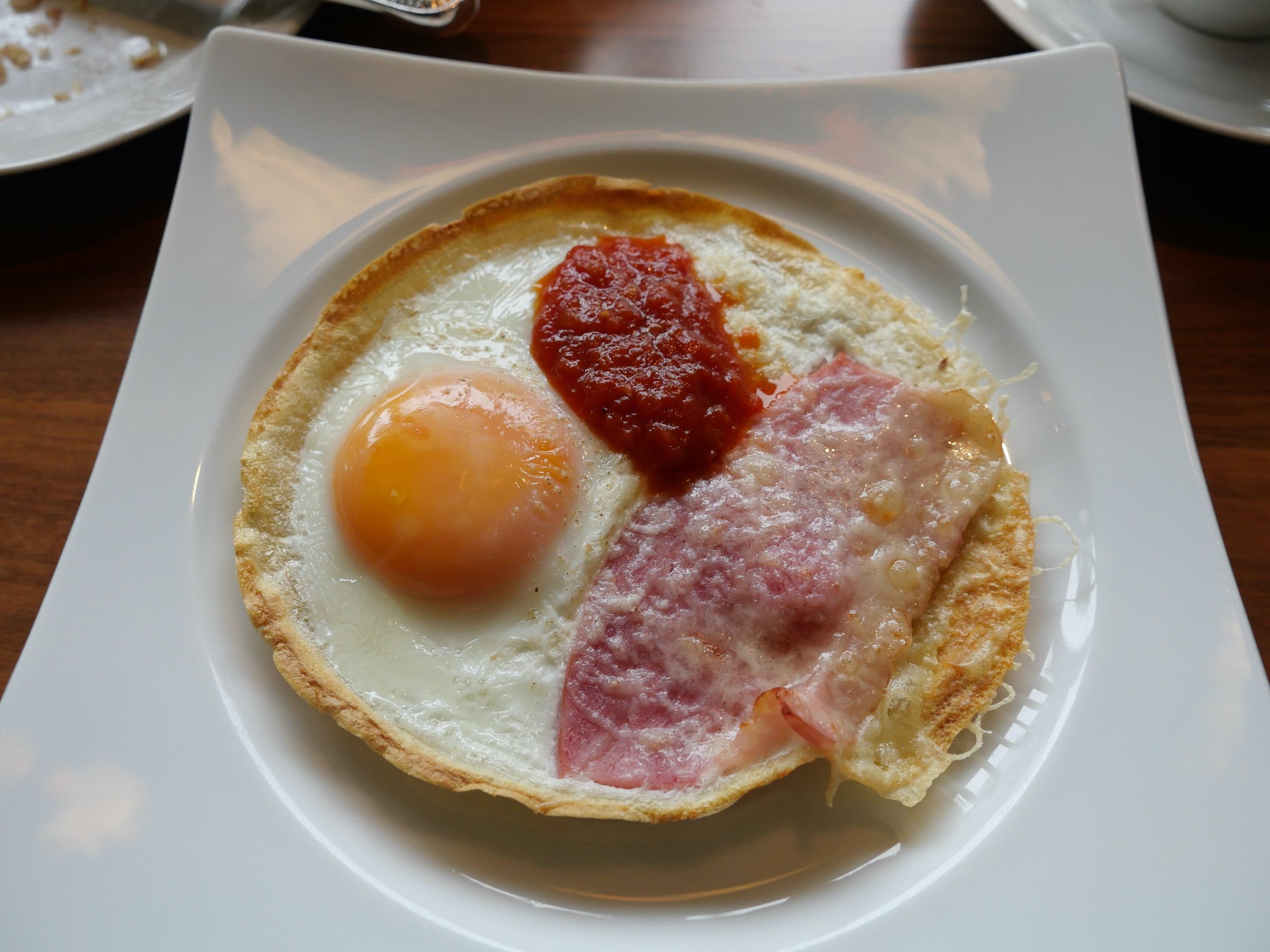
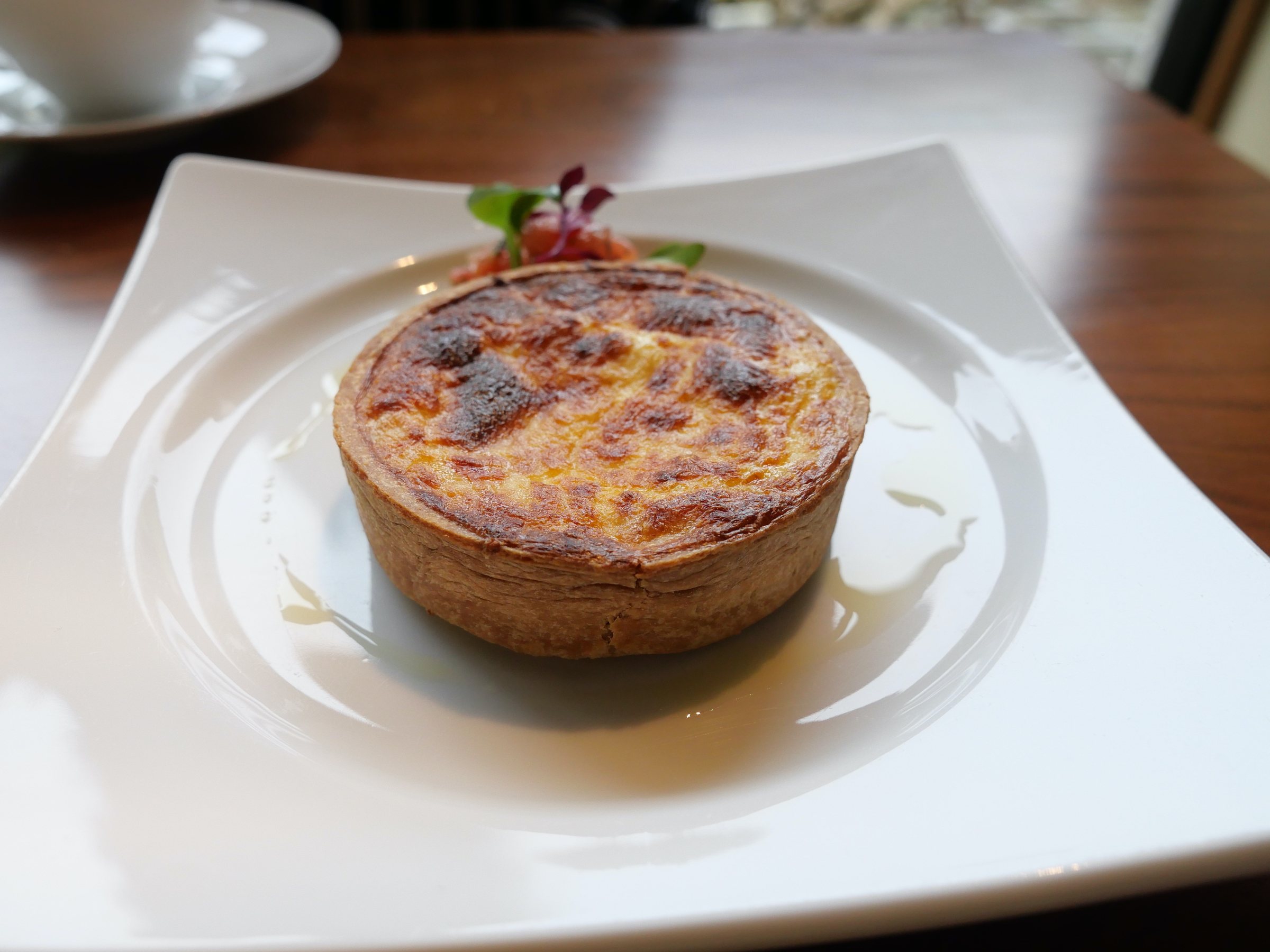
For the main course there was a choice. The buckwheat galette with a fried egg was stylish and lifted our spirits for the day; few people dislike a crêpe. The quiche had crisp pastry, handmade as a matter of course, that had soaked up the full flavor of egg and butter. Served piping hot from the oven, it was genuinely delicious and faultless.
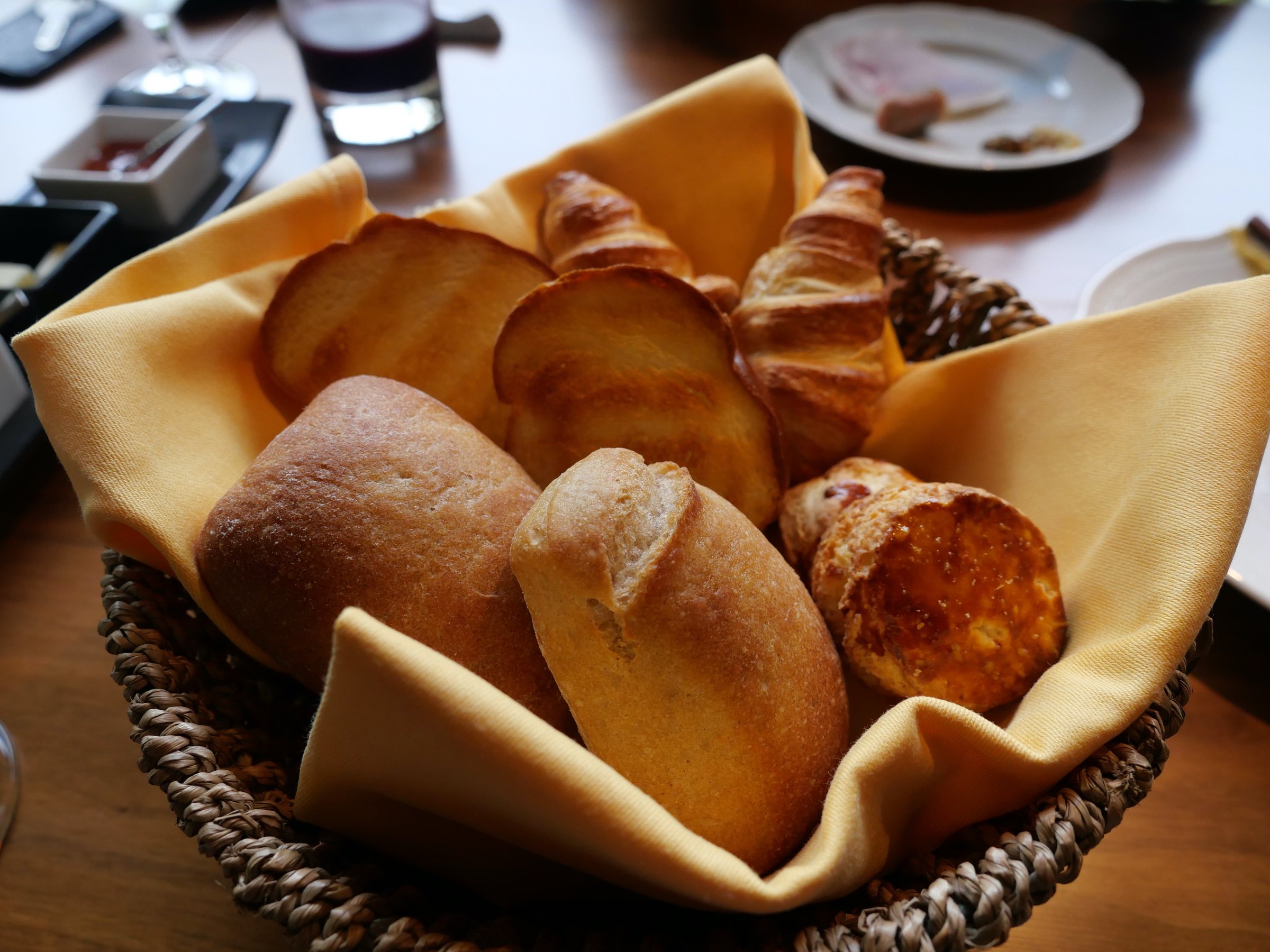
Then came the morning’s great excitement: a generous basket of salted butter rolls, croissants, scones and toast, all smelling as if they had just been baked. We could not possibly finish it all, and we were not meant to. The bread is served on the understanding that you will take some home, and a dedicated paper bag was ready for exactly that.
Fresh fruit and yogurt closed the meal, the fruit steeped like a fruit punch in a gently sweet, slightly tart fruit soup. As with the previous evening, some dessert dishes were chilled and others served at room temperature. That level of attention moved us.
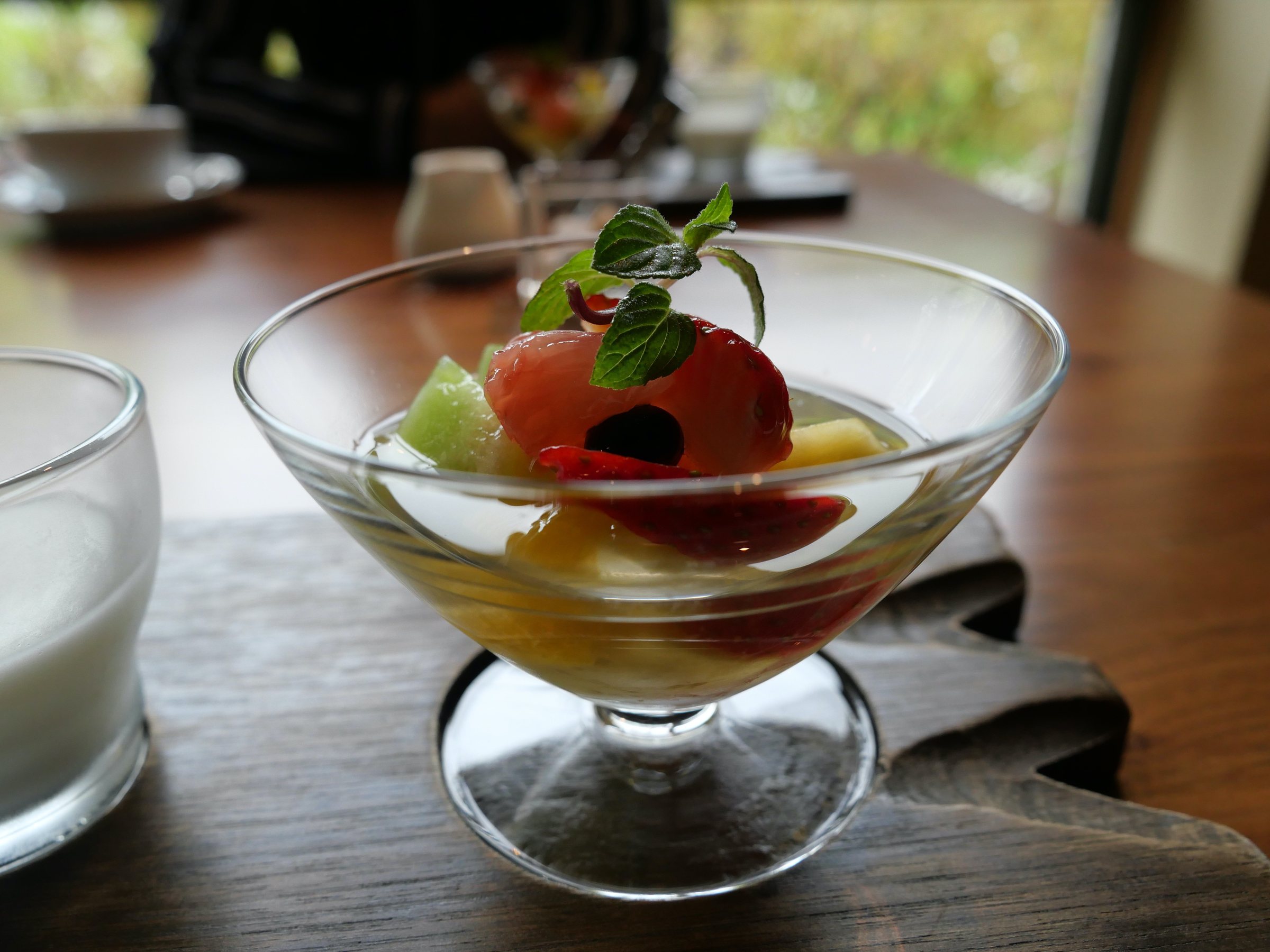
Looking back
An auberge, a place to stay where the food is the main attraction, offers more than views and hot springs. It also sharpens the palate and the senses. At Ren we came across cooking techniques and ideas that are rarely seen, and a model of what generous service can be. The menu changed with the seasons, and we left wanting to work through every one of them.
Beyond the auberge
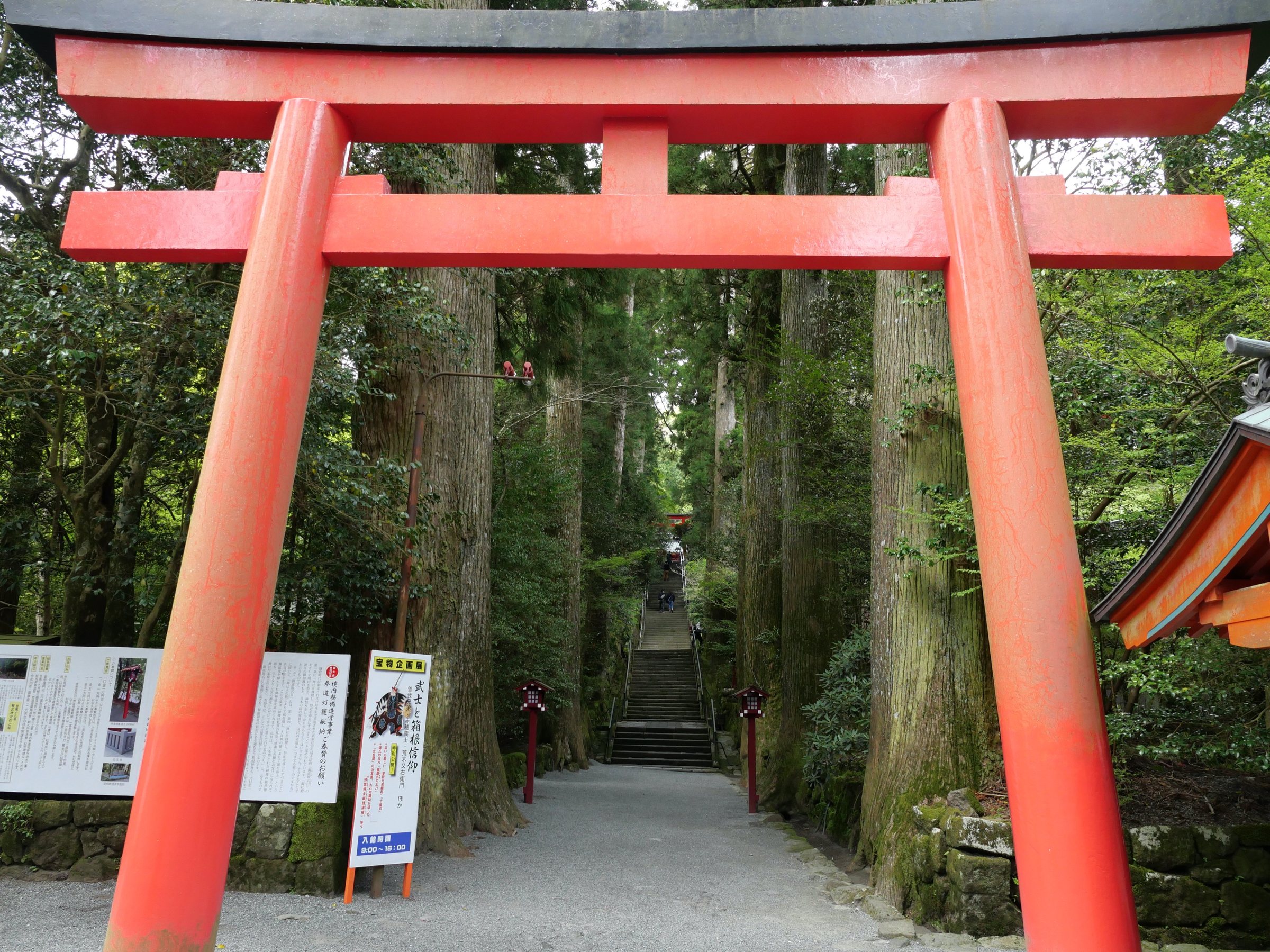
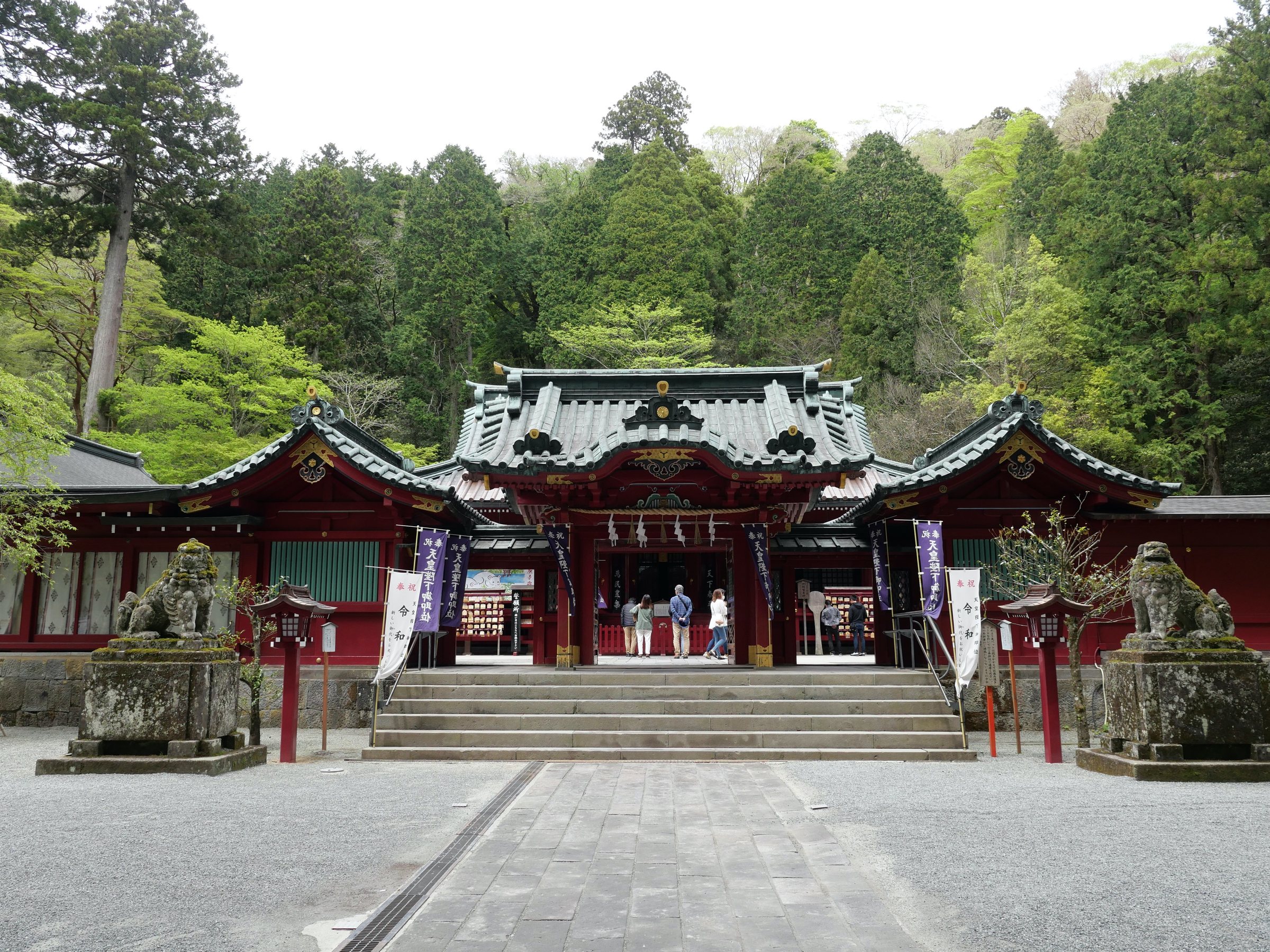
Hakone Shrine is close by and ideal for a stroll. It is one of the area’s great spiritual sites, and its history and the strength of its traditional architecture are bound to impress. The sacred trees within the grounds seem to give off an enormous energy. It is well worth a stop, and it shows a side of Hakone quite different from its busy resort streets.
This review reflects a stay in spring 2020. Auberge Ren is understood to have closed in 2023; this piece is preserved as a record of the experience.