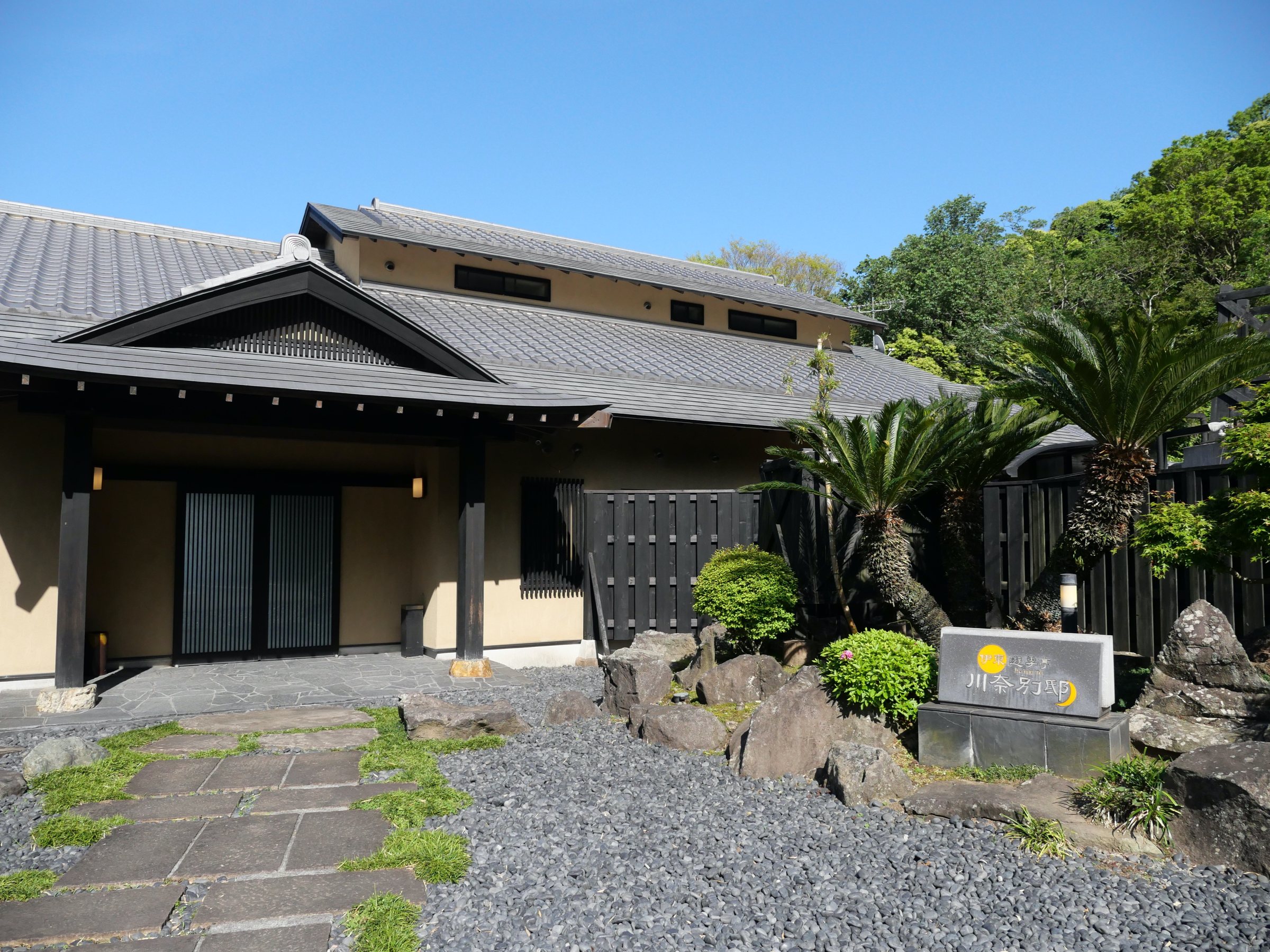
Set a little apart from the town, Kawana Bettei is a luxurious annexe run by the Ito Yukitei group, designed for guests who want to make the most of complete privacy. There are only five hanare (detached villas), each entirely self-contained, and staying here feels less like checking into a ryokan than arriving at your own holiday house.
The tone is set from the moment you park. Our luggage was taken from the car straight away and we were led directly to our villa. Check-in takes place inside each villa rather than at a front desk, so the sense of privacy begins at the door.
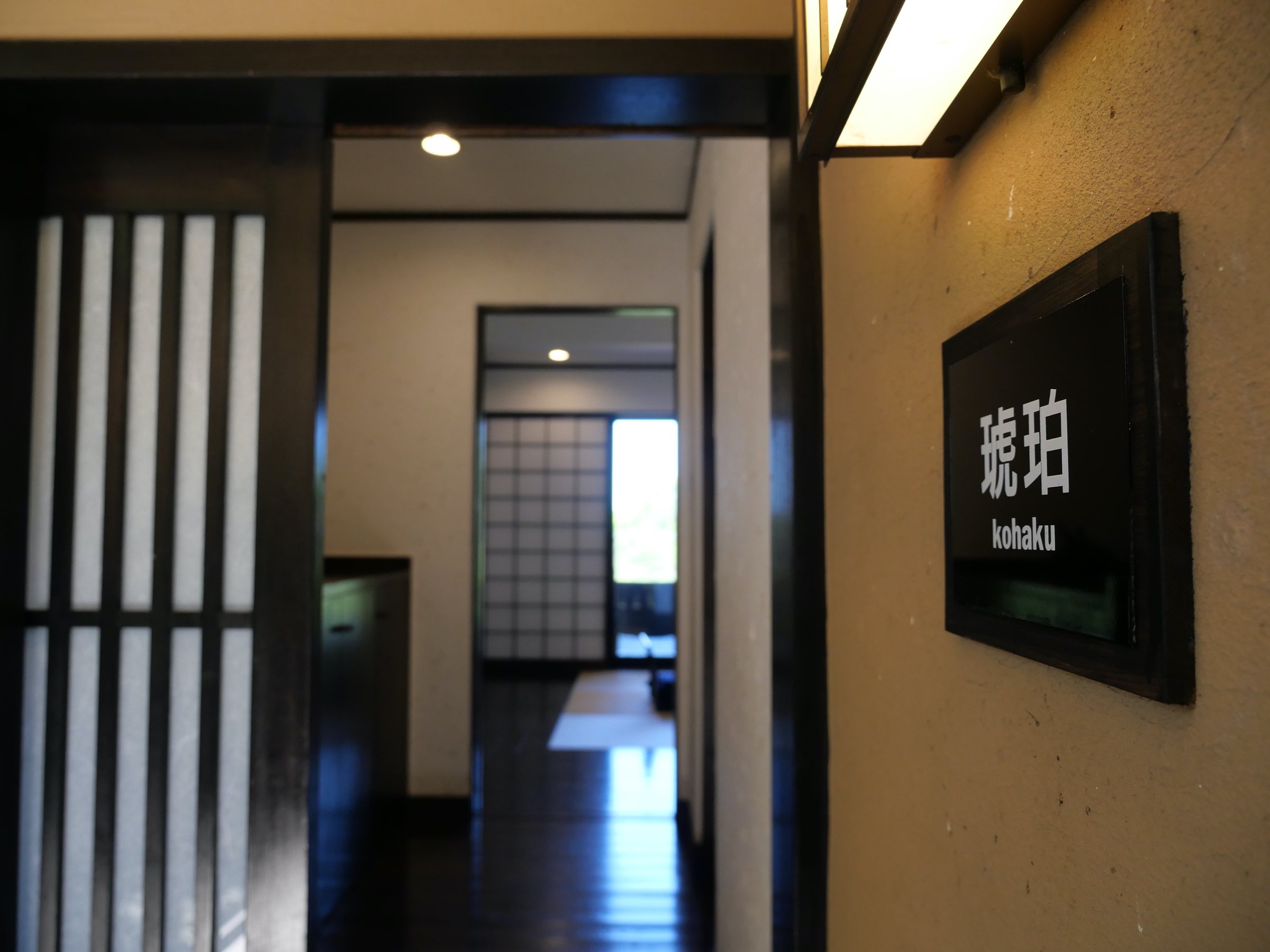
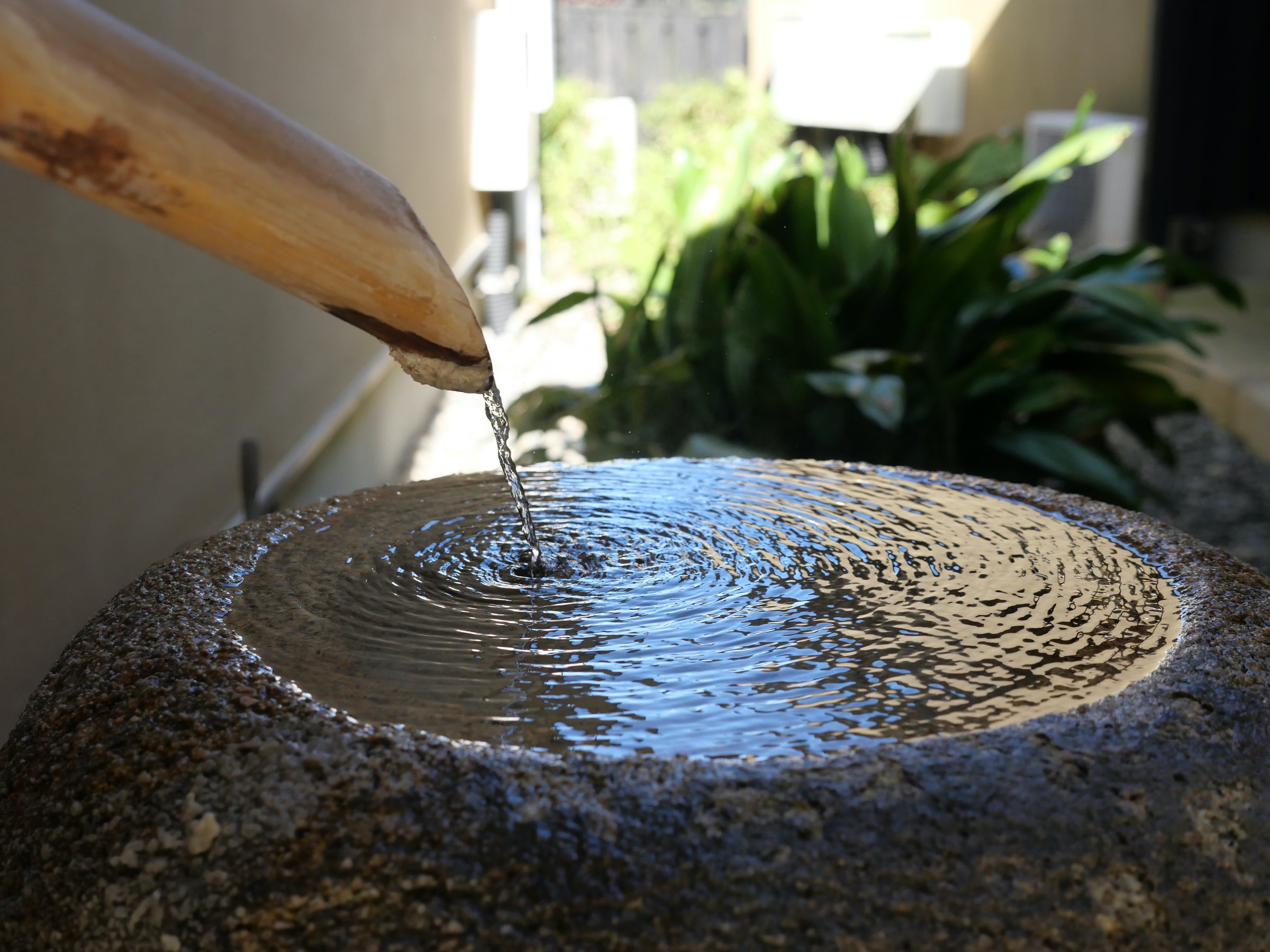
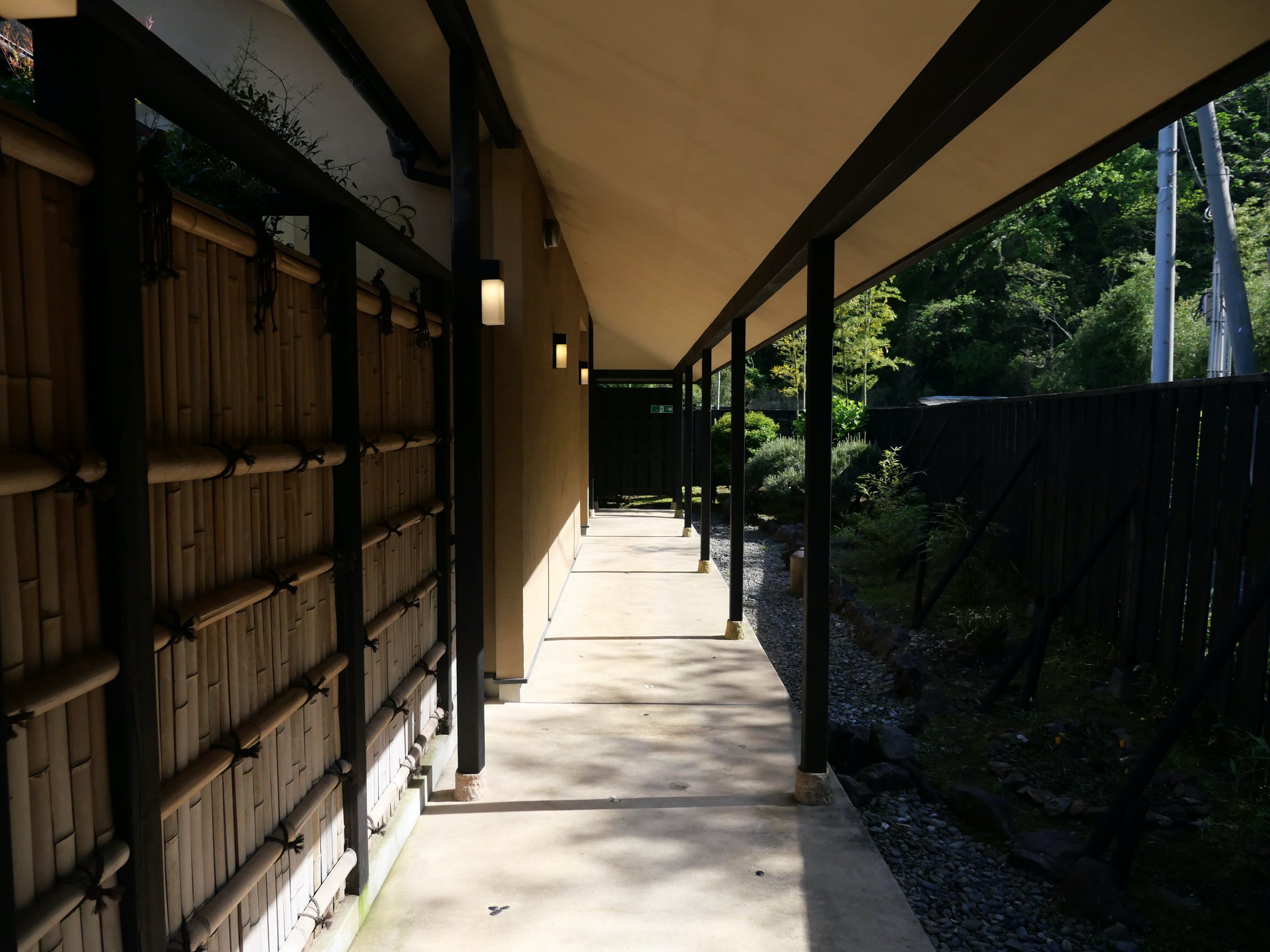
A path of bamboo
The walk to the room is part of the experience. A characterful covered corridor lined with bamboo lattice leads away from the parking lot, and by the time you reach the door you already feel somewhere else entirely.
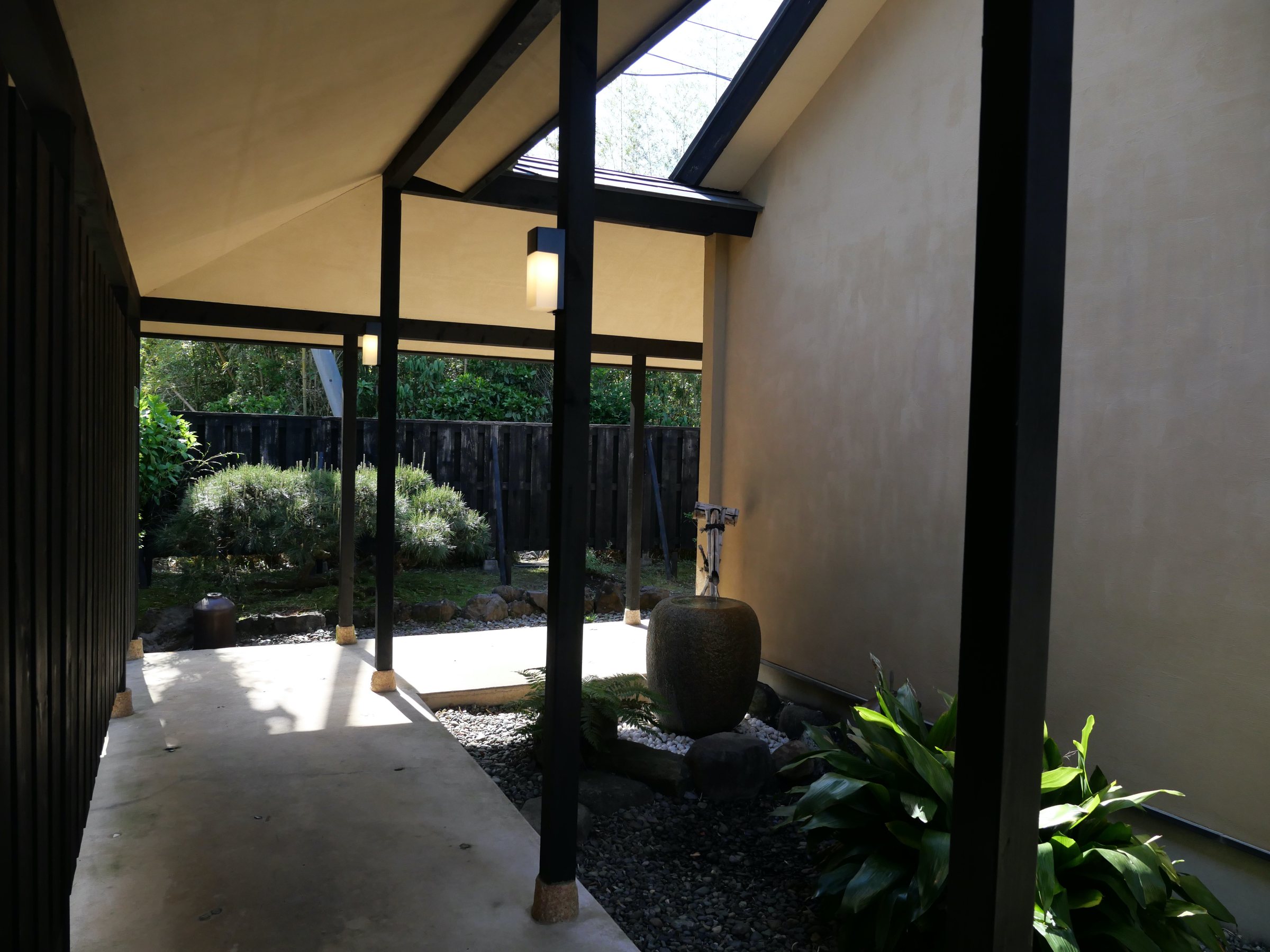
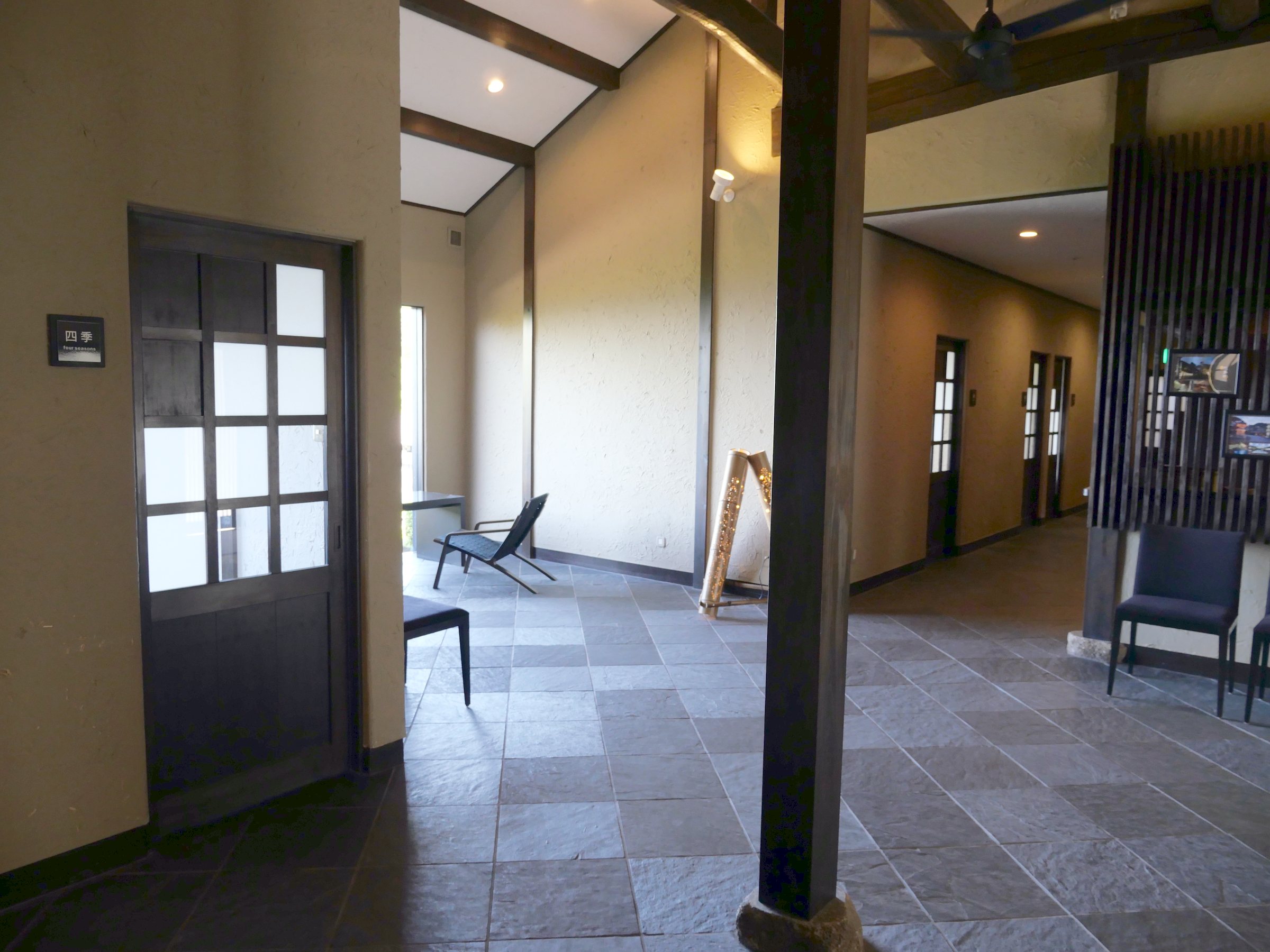
Each villa stands on its own, generously laid out beneath a soaring double-height ceiling. Even a family of five would find it more than spacious enough.
The sea, and nothing else
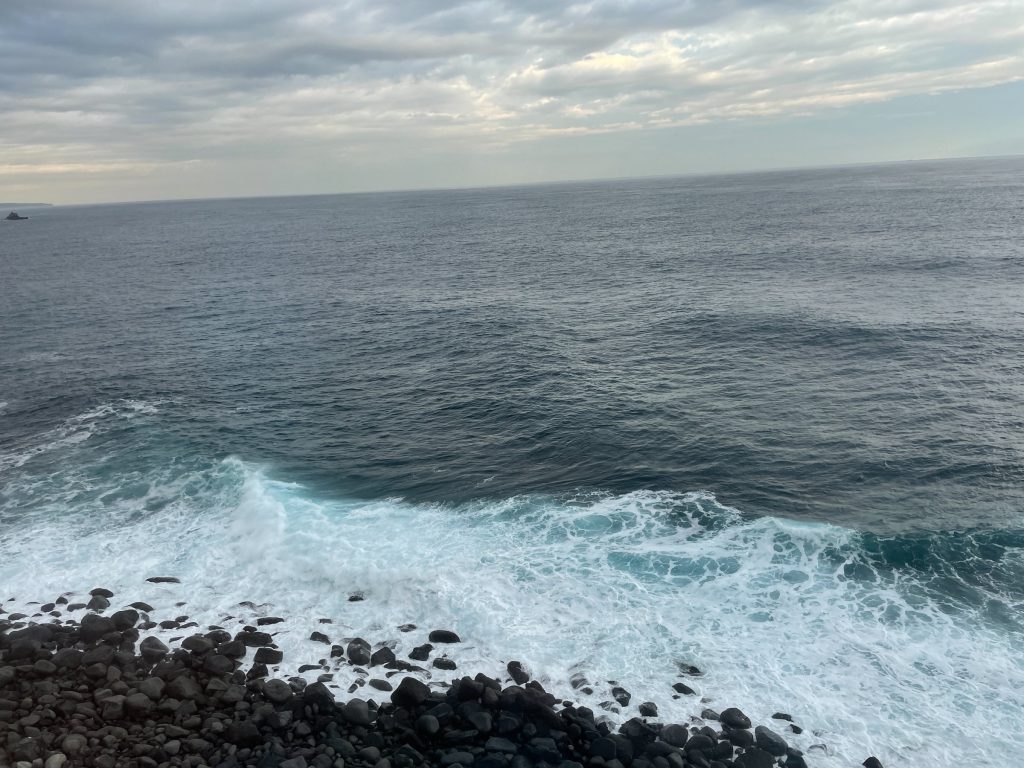
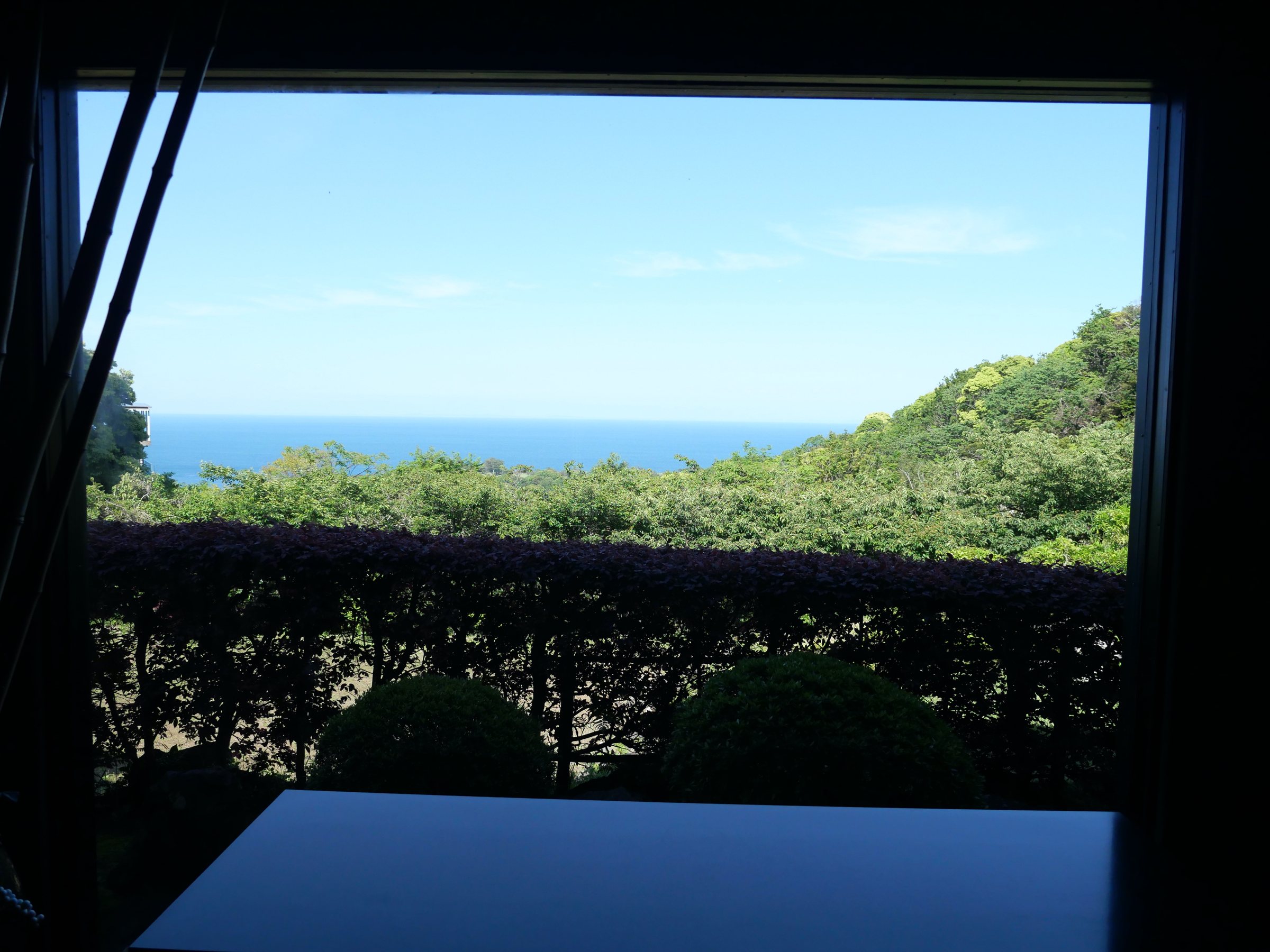
The open-air bath attached to the room looks straight out over Sagami Bay, and the view has been designed so that nothing but nature fills the frame. The green of the hillside, the pale aquamarine of the bay and the deeper blue of the sky sit together beautifully: about as fine a view as you could wish for.
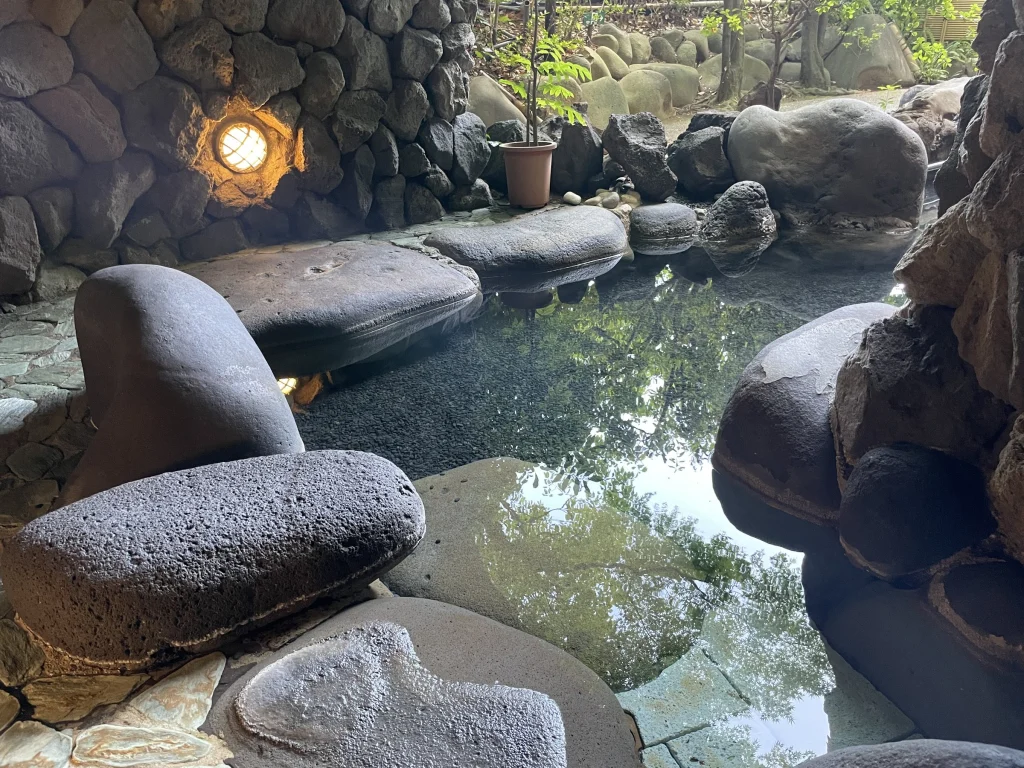
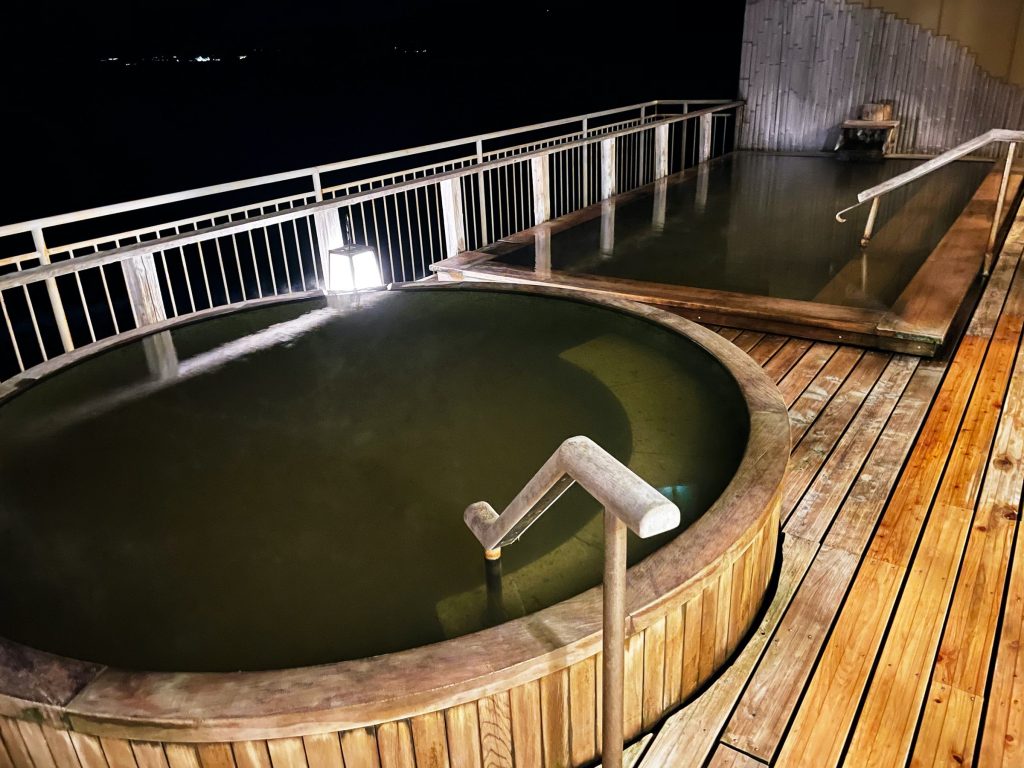
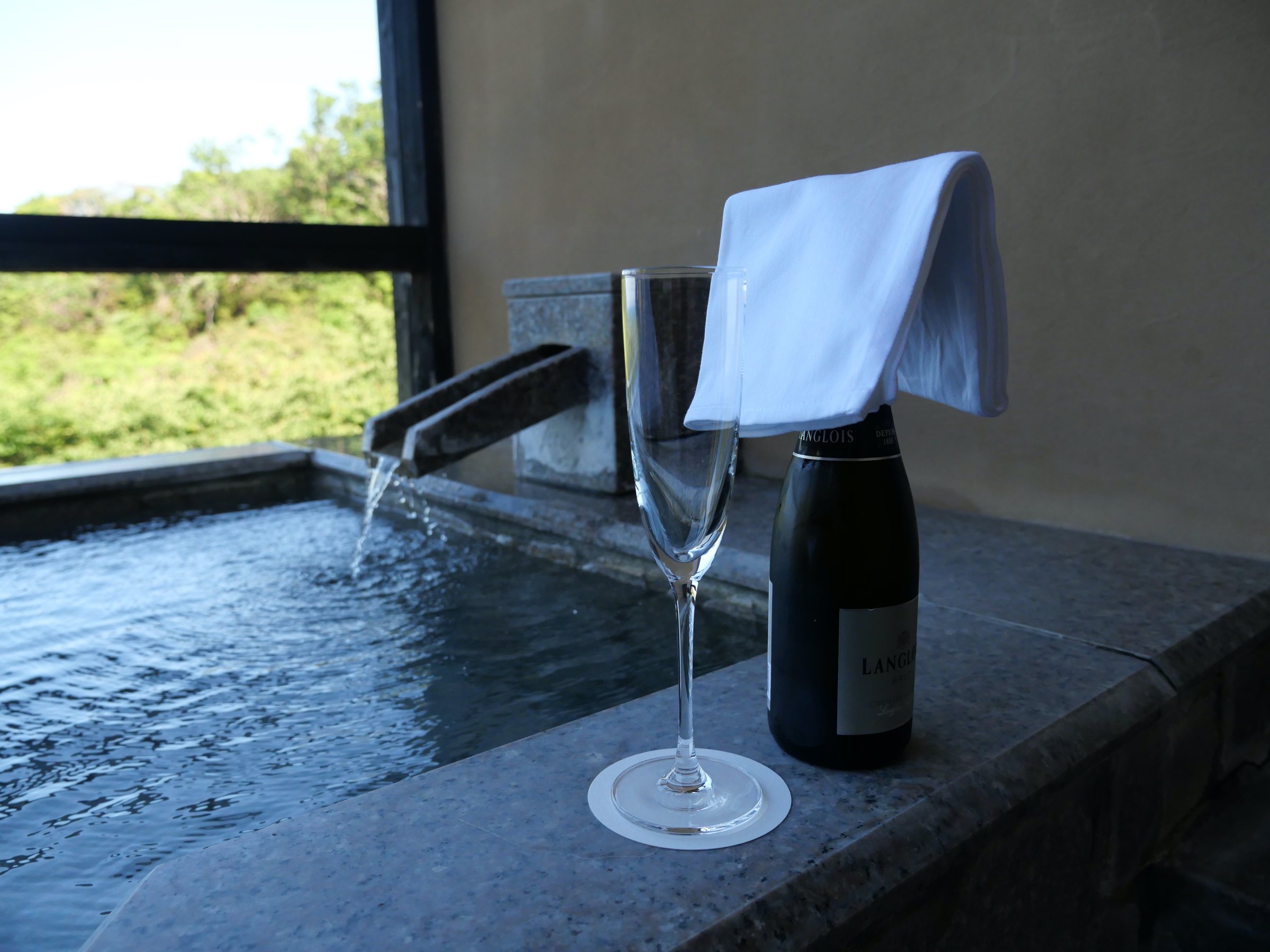
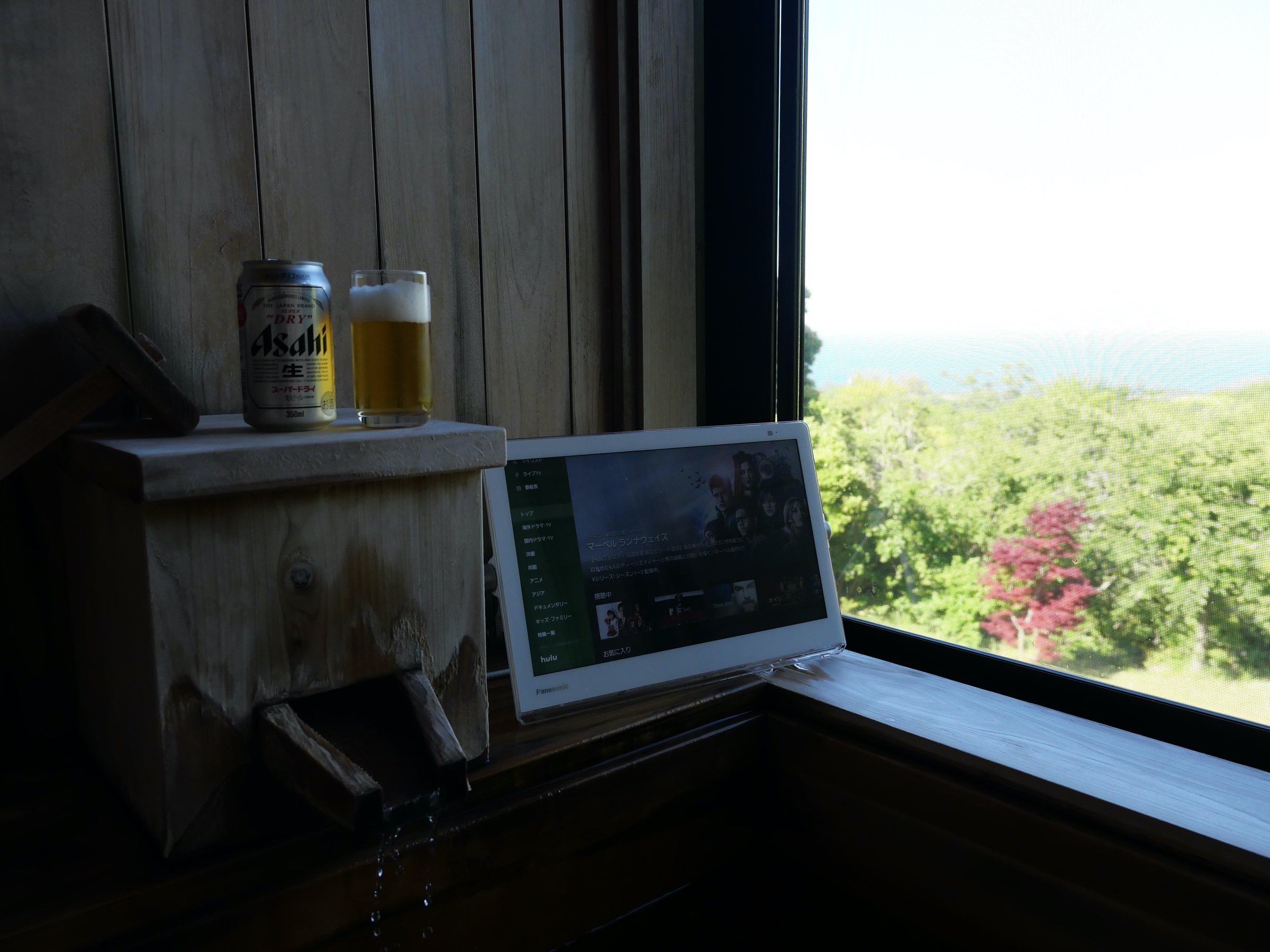
Each villa has both a generous open-air bath and an indoor bath, so you have a hot spring entirely to yourself. As a perk of our booking, the reservation site had arranged complimentary sparkling wine and beer. We went a step further and brought a waterproof television from home, determined to make the place feel like our own holiday villa. The water was at just the right temperature, and with nothing to block the view, the open-air bath was deeply restorative.
Light, everywhere
The spacious bedroom has beds, and we thought we would take a short nap before dinner. It was then that we noticed that none of the windows had curtains. There was no way to make the room dark enough for an afternoon sleep; the whole space seems designed to let in as much natural light as possible.
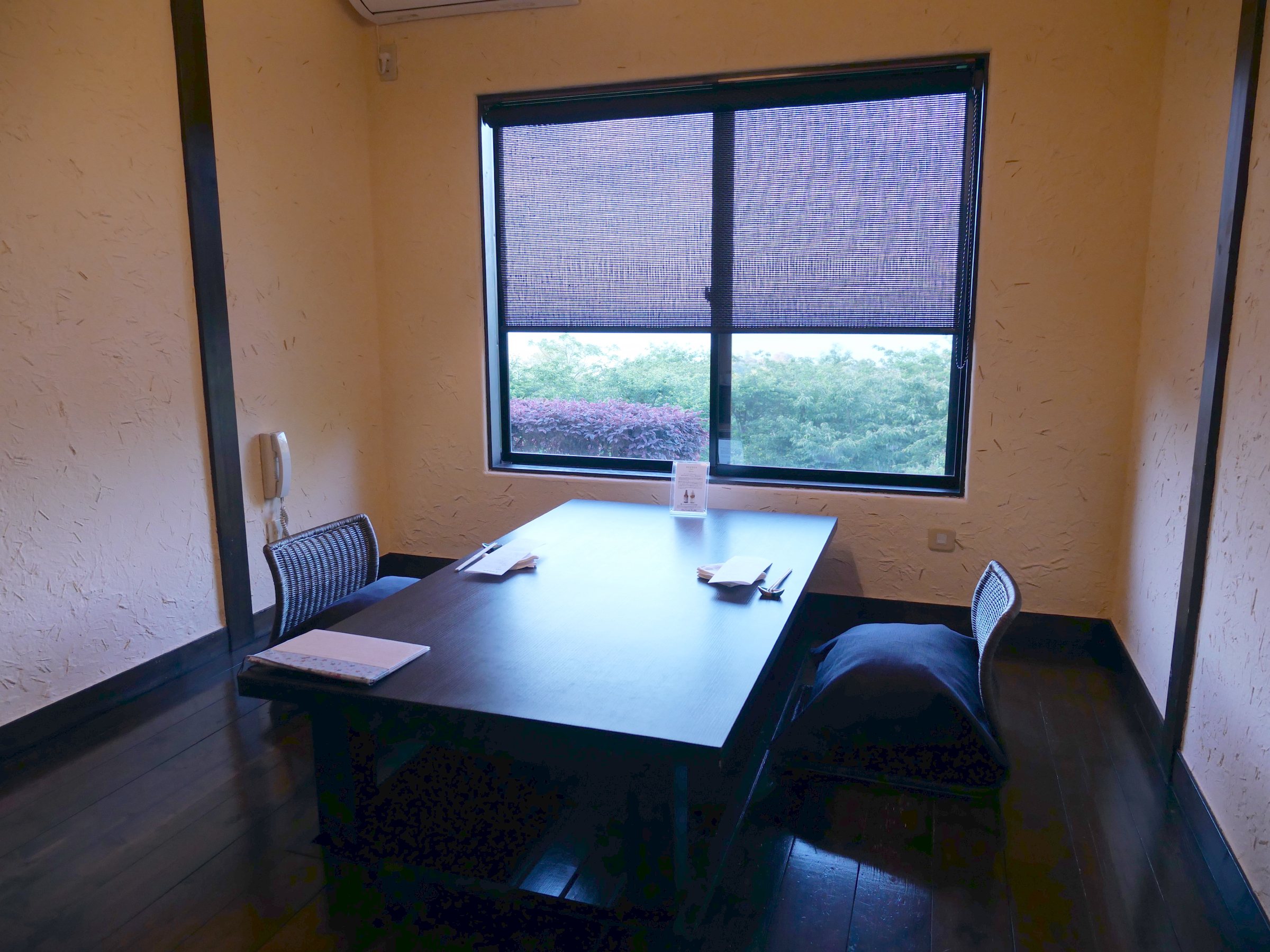
A practical note: the property is a long way from any town. There is no convenience store within walking distance and no shop on site. Bringing your own books, snacks and drinks, and shaping your time around them, may well be part of the pleasure.
Dinner, and the house speciality
Meals are served in a separate dining area in the main building. Having gone to such lengths over privacy everywhere else, the ryokan would be even better, we felt, if dinner were served in the villas.
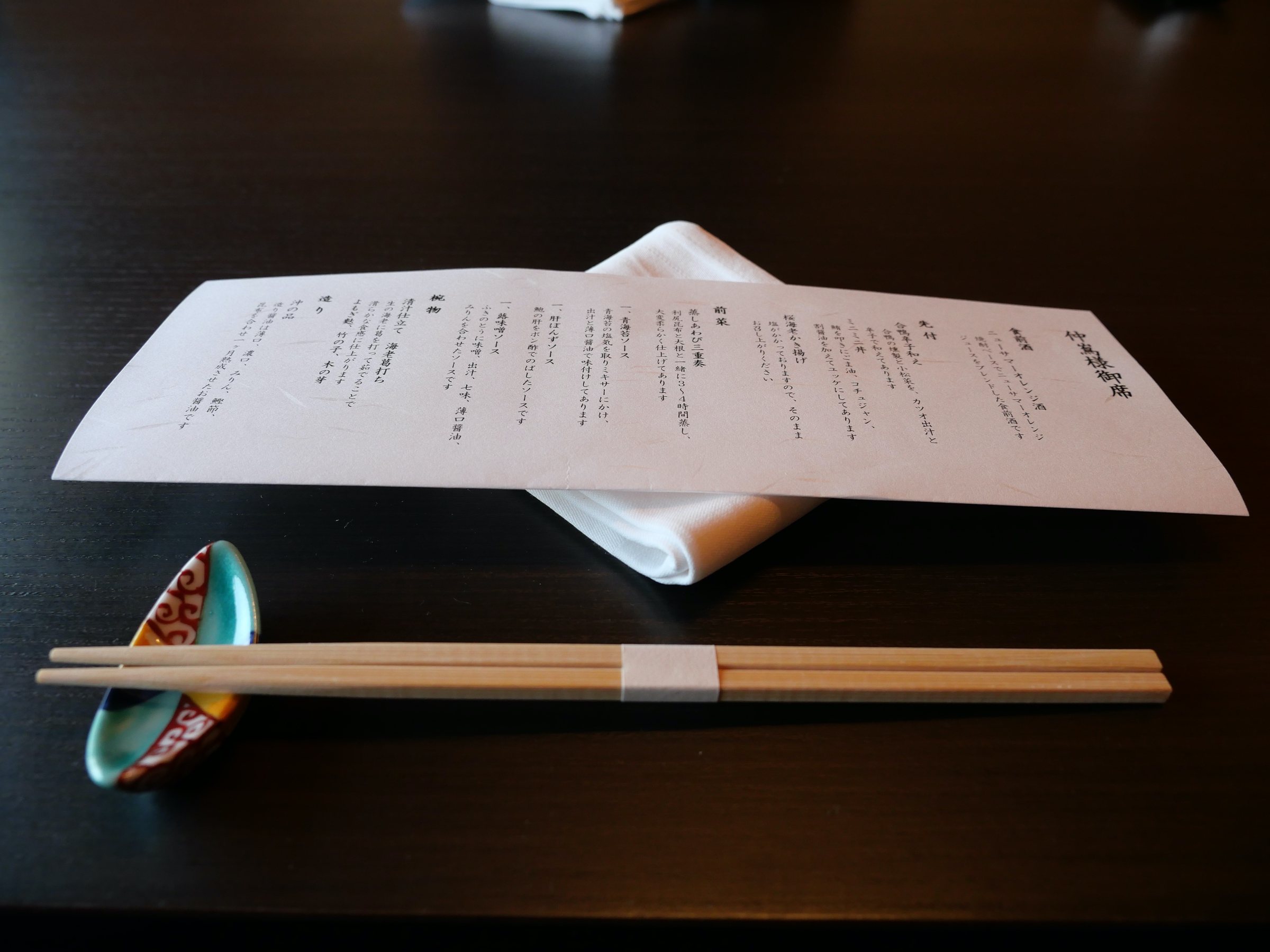
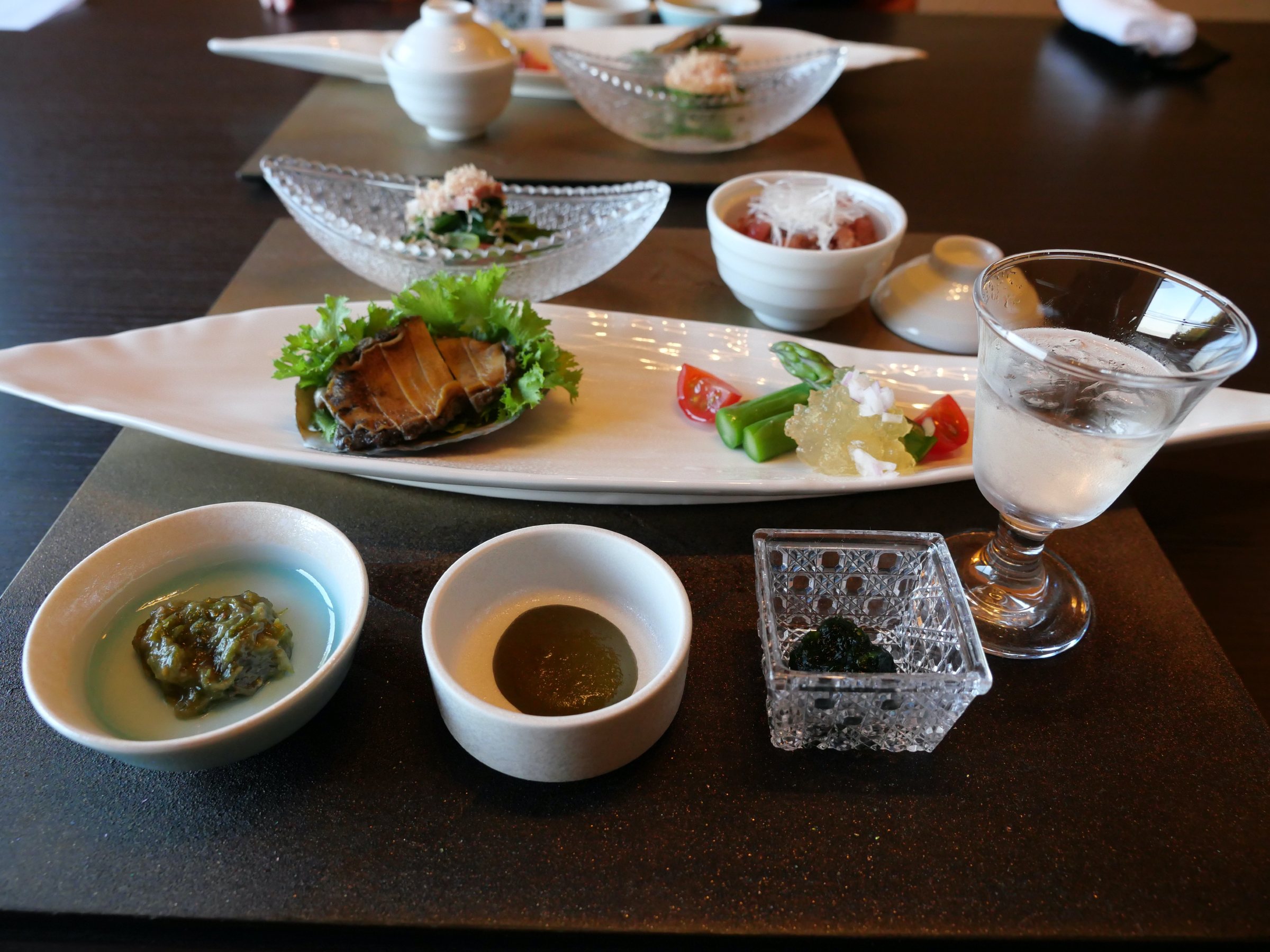
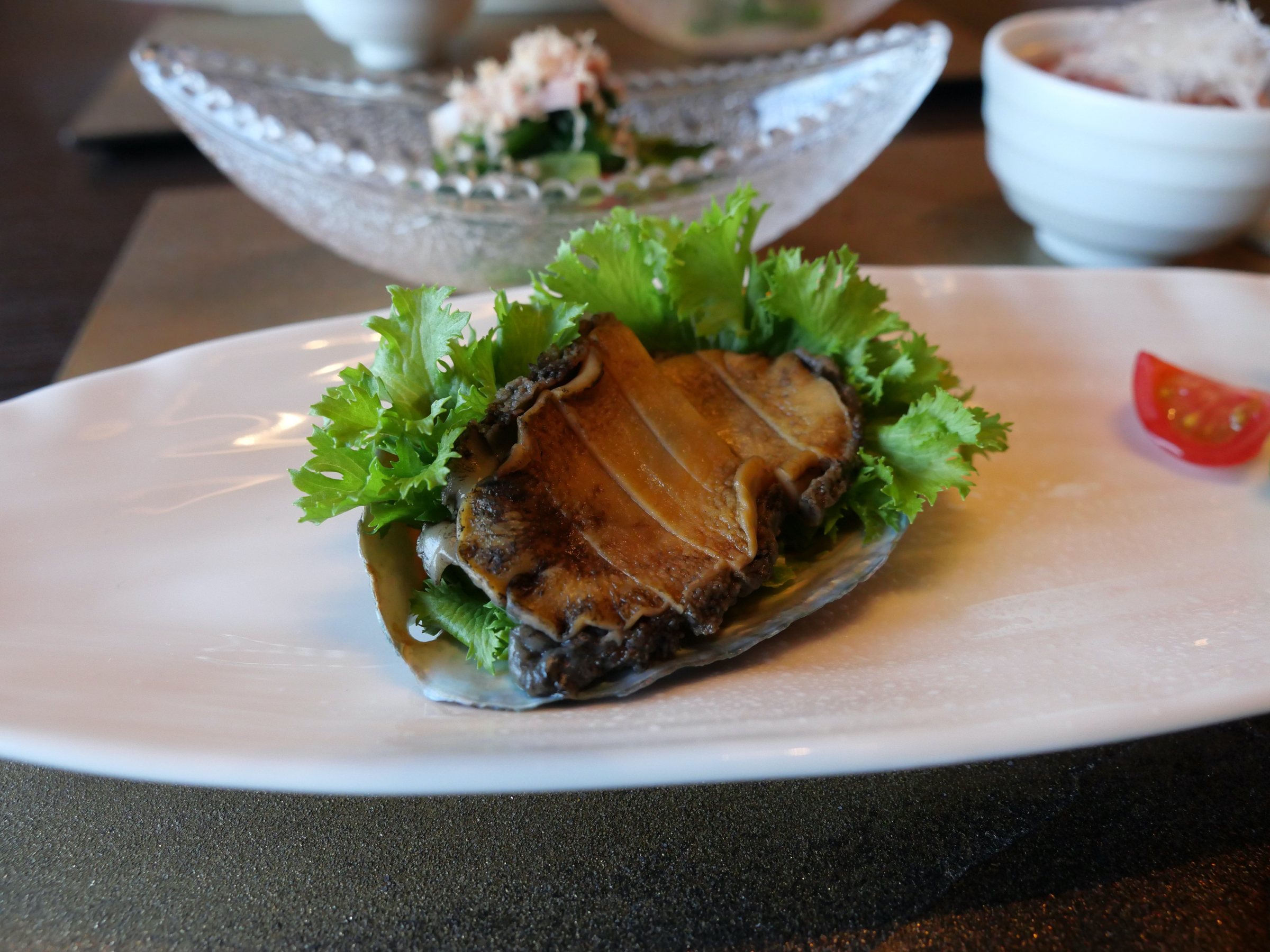
First came the dish the ryokan is proudest of: abalone. Perhaps our expectations were too high, but the portion was so small that we had finished it before we could try all the condiments and garnishes provided.
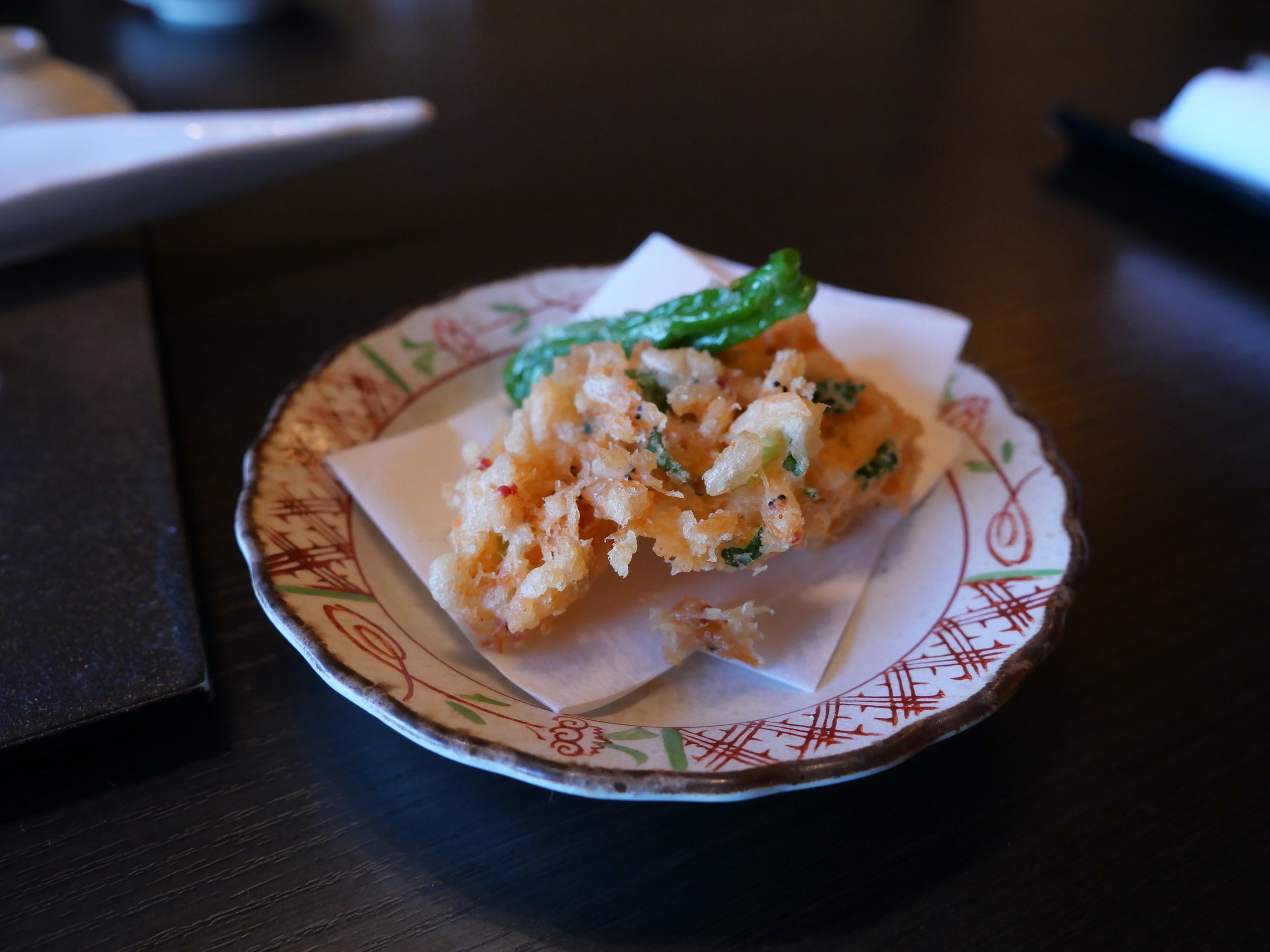
Next, tempura that showed real skill at the fryer: light and crisp, with just the right note of sakura ebi (tiny pink shrimp) and a sweet, clean finish.
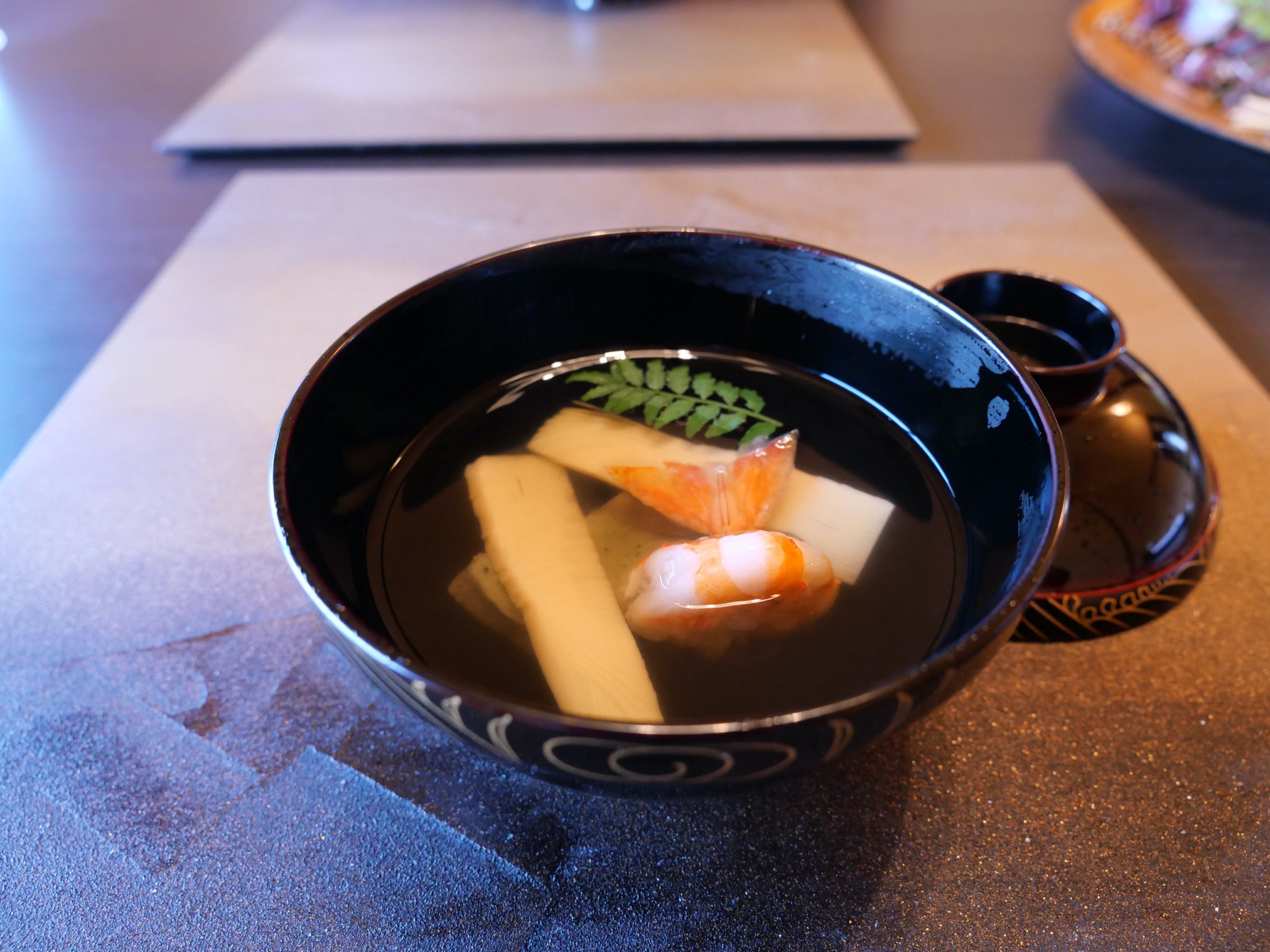
The soup, the sashimi and the meat
When you are traveling with someone unusually exacting about the wanmono (the soup course), you inevitably pay it particular attention. How delicately can the kitchen balance its dashi against the ingredients in the bowl? It is the hardest test of all, and we look forward to it almost as the main event of a Japanese meal.
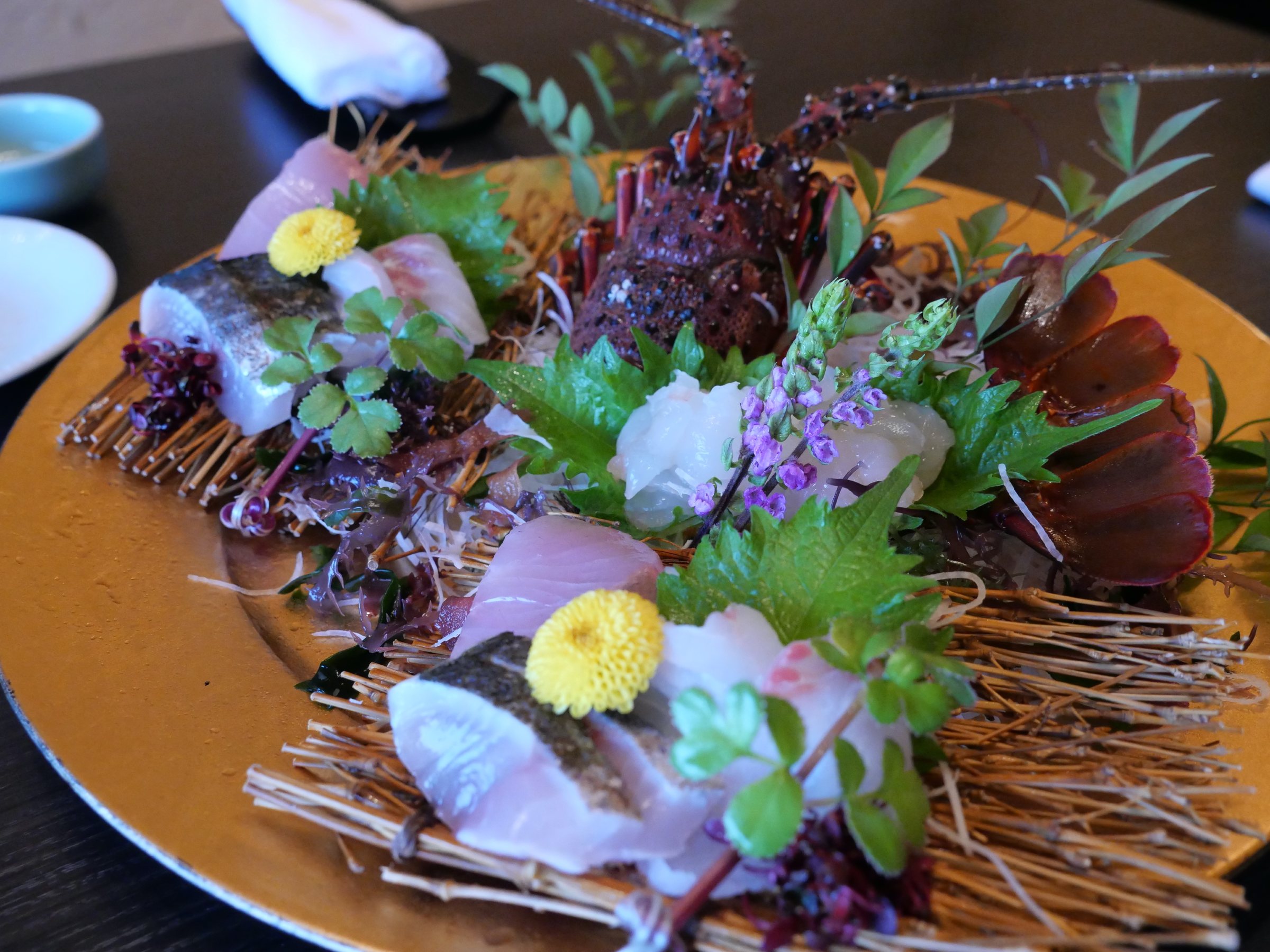
A lavish Ise-ebi (spiny lobster) arrived complete with its head, although the lobster meat itself took some searching to find. The sawara (Spanish mackerel), its skin grilled until fragrant, had a deep savoriness. A sashimi platter made to be enjoyed with the eyes is the highlight of a ryokan dinner, and one of local fish like this is something only Ito can offer.
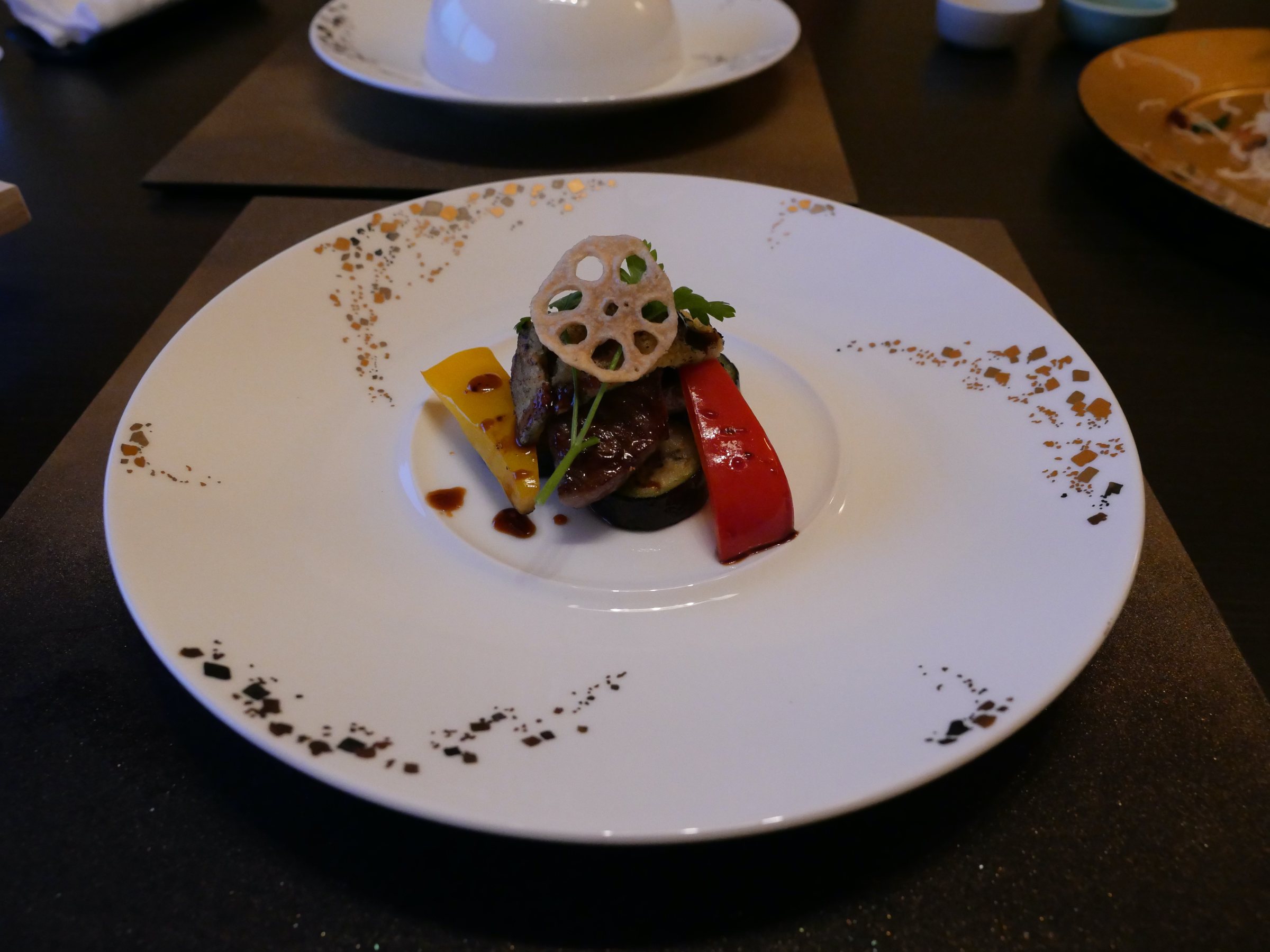
The meat main course was brought to the table covered and uncovered in front of us: a small piece of theater that showed the effort put into its presentation.
A change of mood
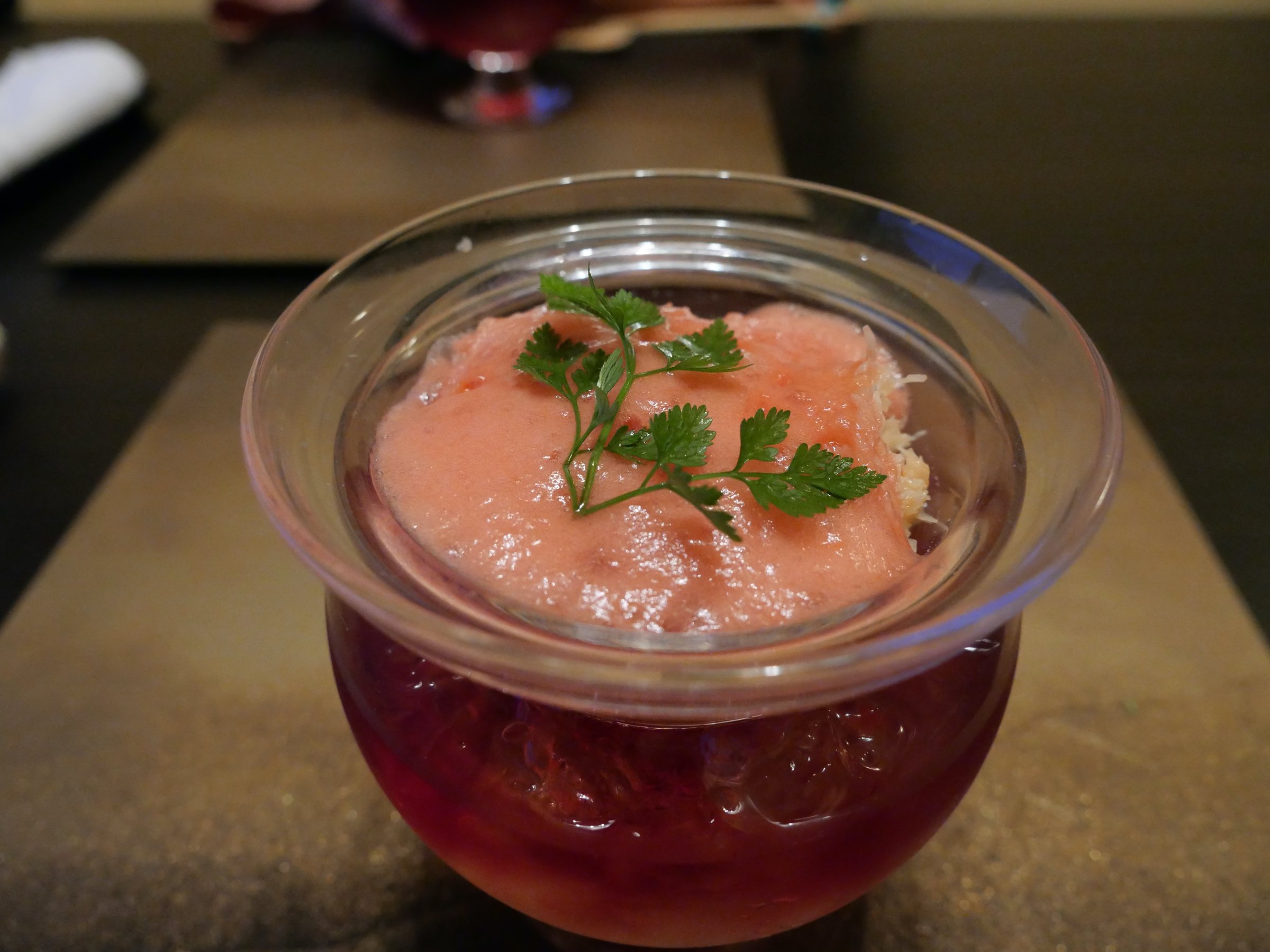
Crab set on a jelly and topped with a soft mousse rather like an espuma: the textures and flavors worked beautifully together, with a hint of tomato in a pairing that felt carefully thought through.
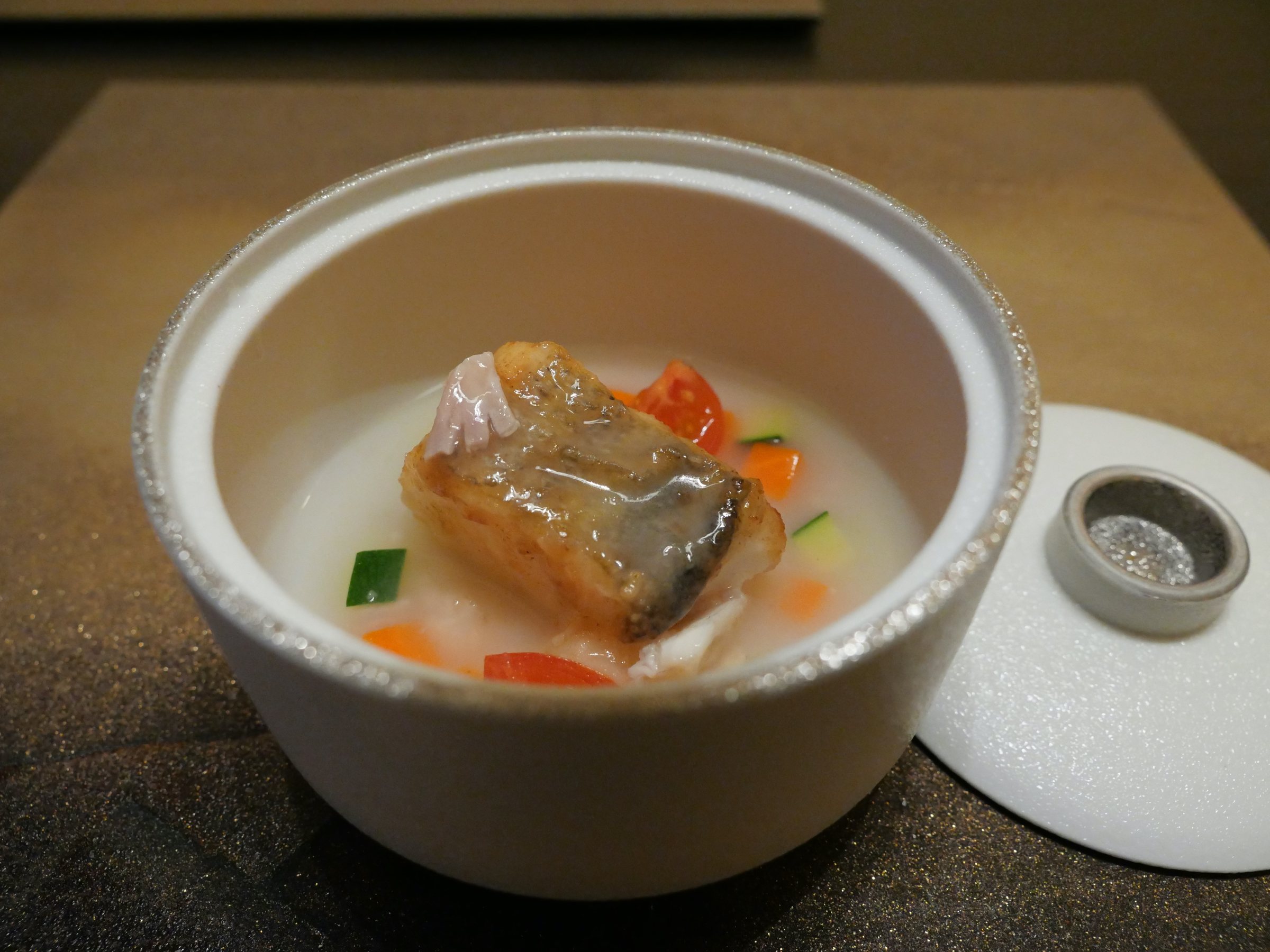
Then a fish dish with a lightly seasoned cream sauce. At this point the meal seemed to change character all at once, both in the colors on the plate and in the way the vegetables were used.
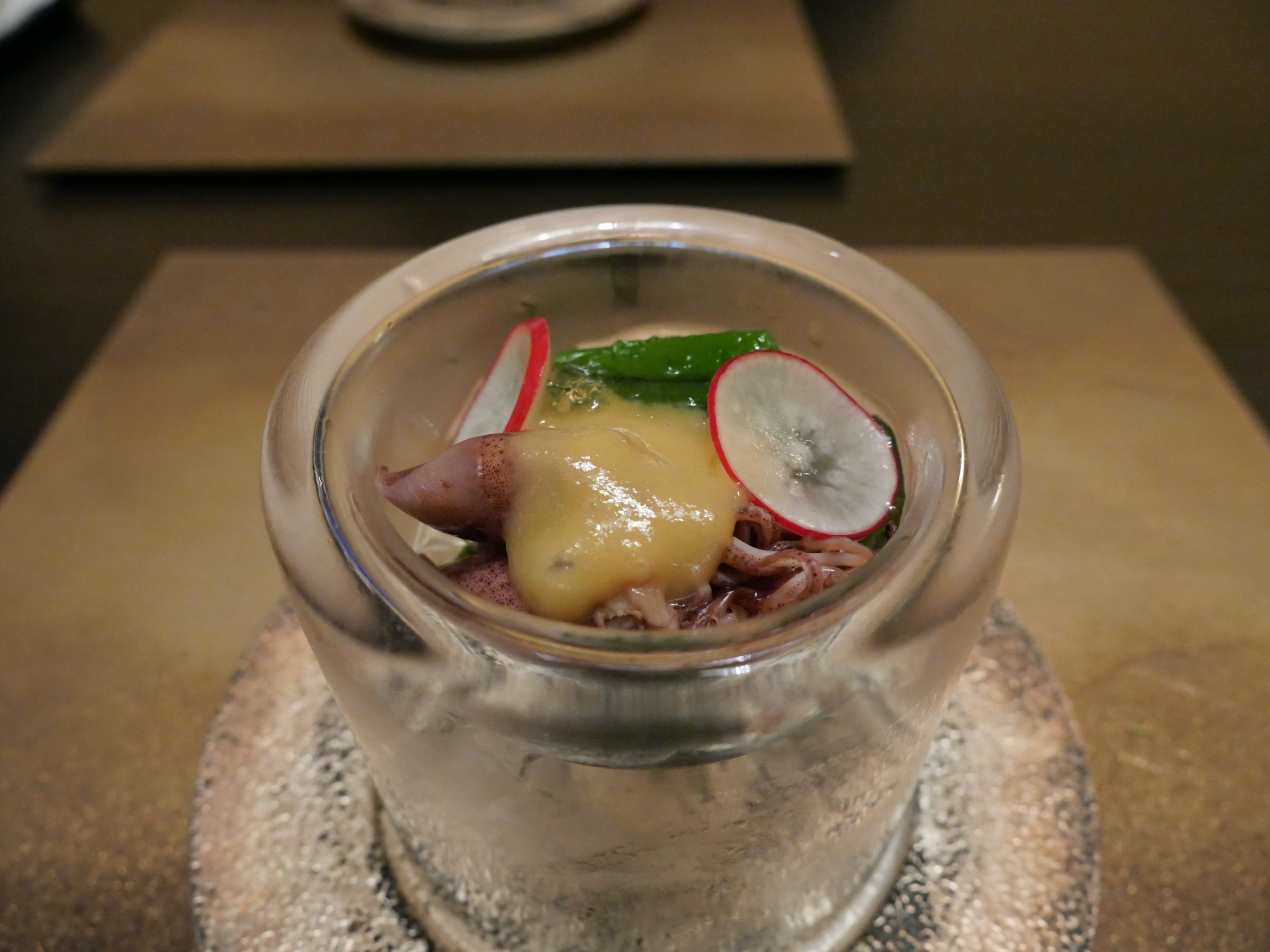
Firefly squid dressed with vinegared miso served as a palate cleanser.
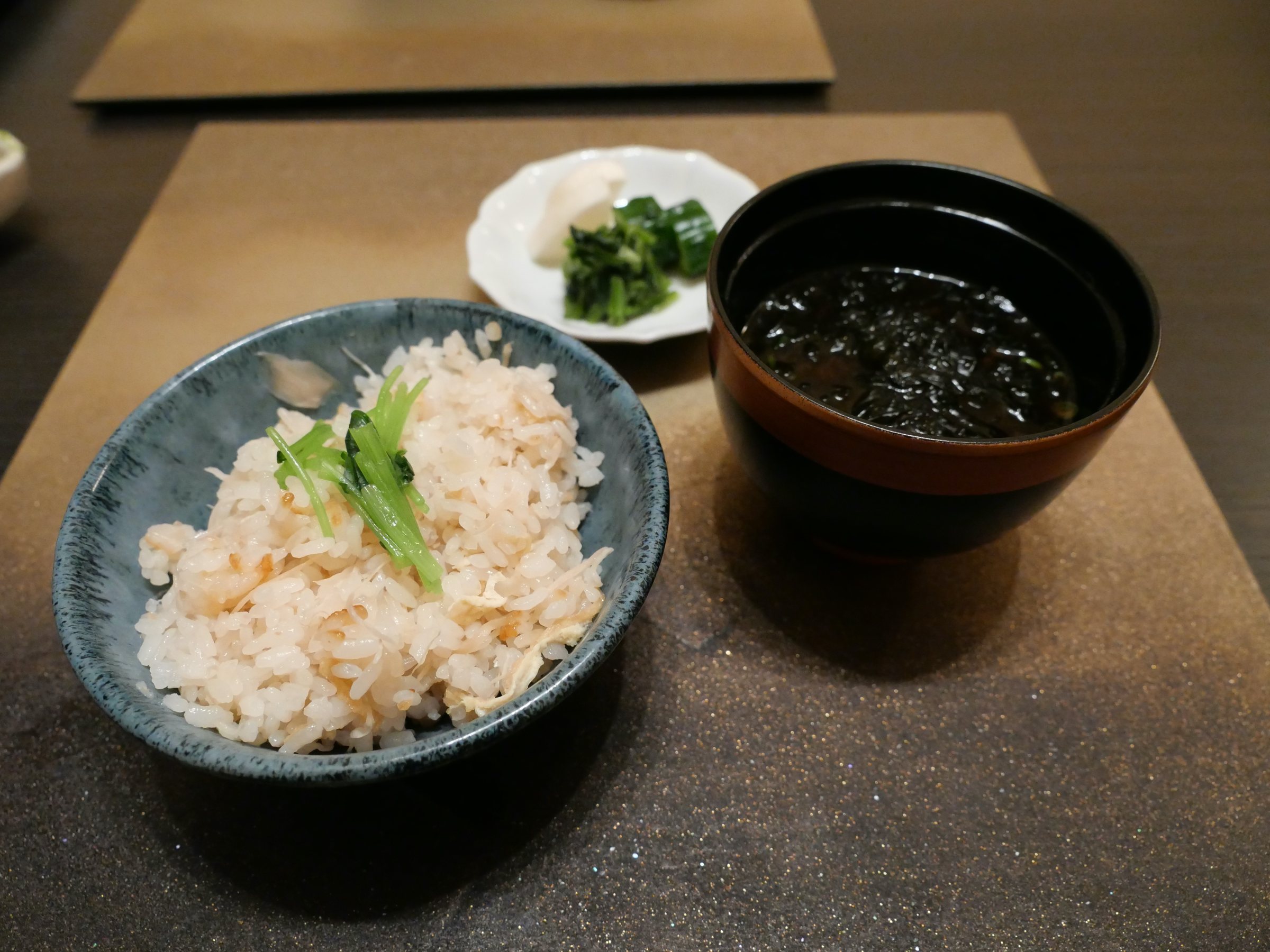
We had hoped for rice cooked in an earthenware pot, but the crab rice arrived already served in a bowl. We admit we have become particular about rice at ryokan: every time, we hope for a cook’s way with it that differs from what we make at home.
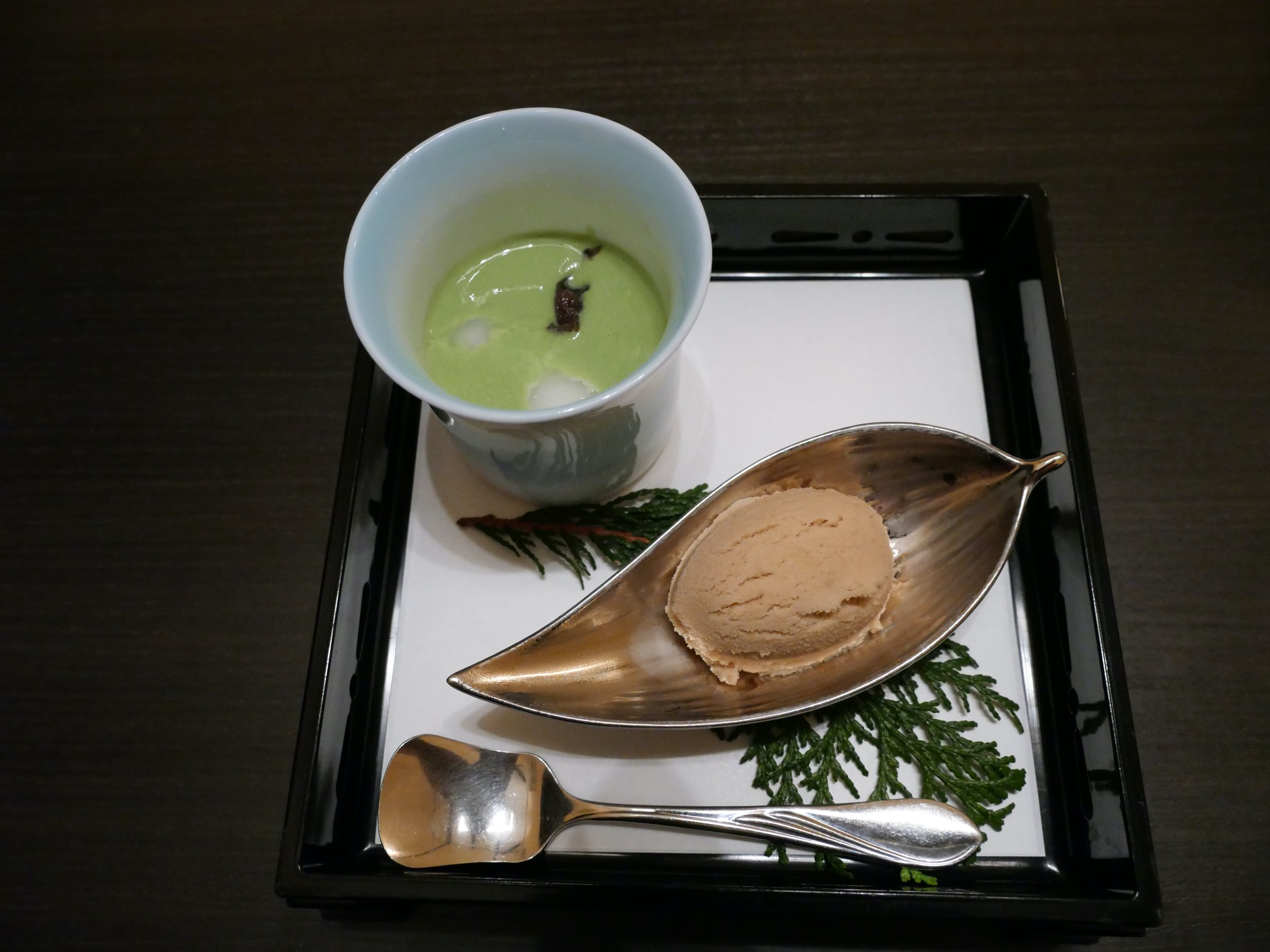
To finish, a gently flavored matcha zenzai (a sweet green-tea soup with beans) and hojicha (roasted green tea) ice cream in a lovely vessel.
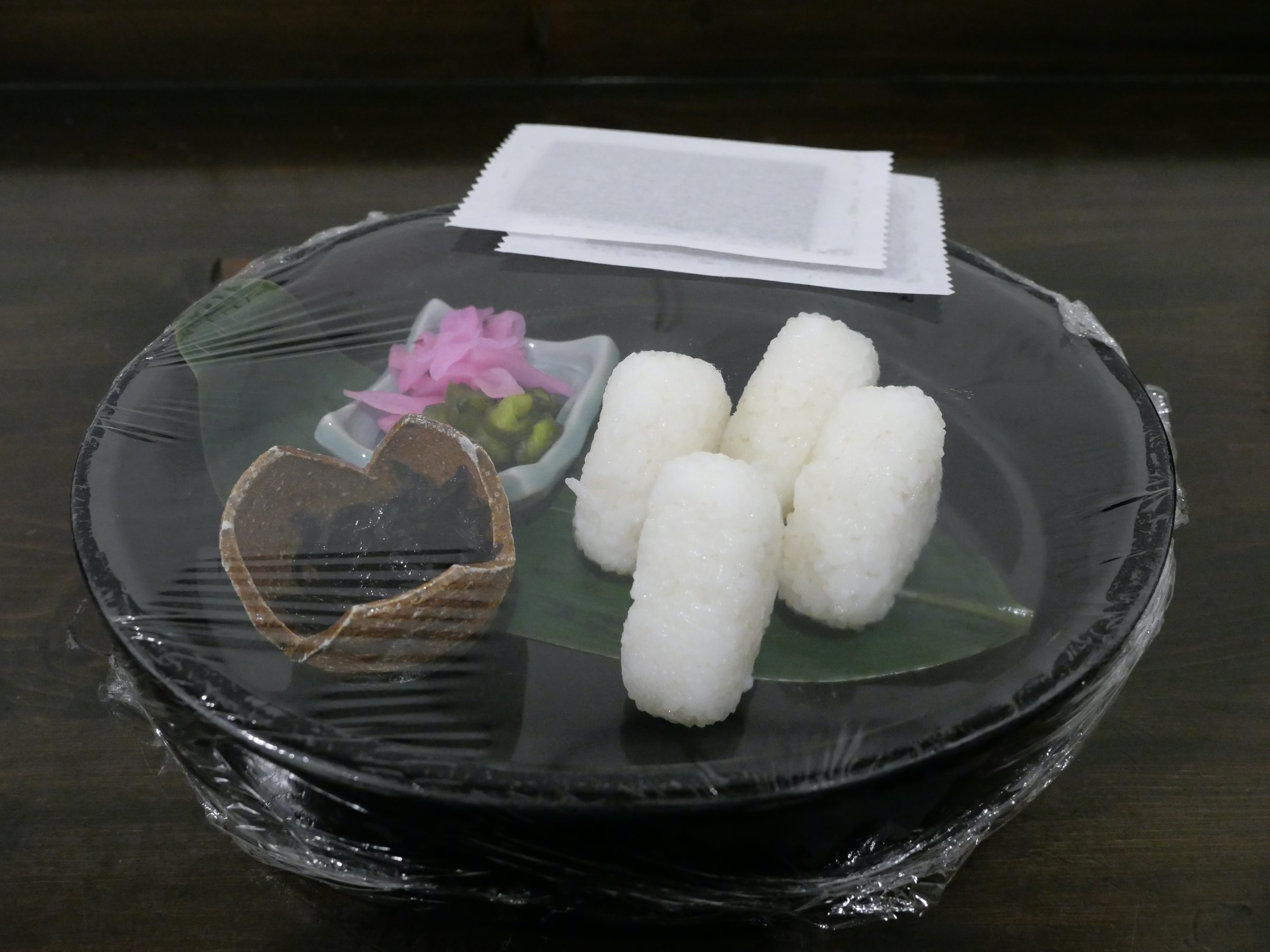
Rice balls, and a planetarium
On request, the ryokan will bring rice balls to your villa after dinner. Ryokan dinners start at around five or six o’clock, so a little hunger later in the evening is natural; on this one night, at least, we let ourselves enjoy a late snack without guilt.
After dinner, of course, the open-air and indoor baths were ours to use as freely and as often as we liked. Sipping a drink in the water, with no one to disturb us, is a pleasure all its own. The stars seemed closer than usual: a hot spring beneath a vast planetarium.
Breakfast
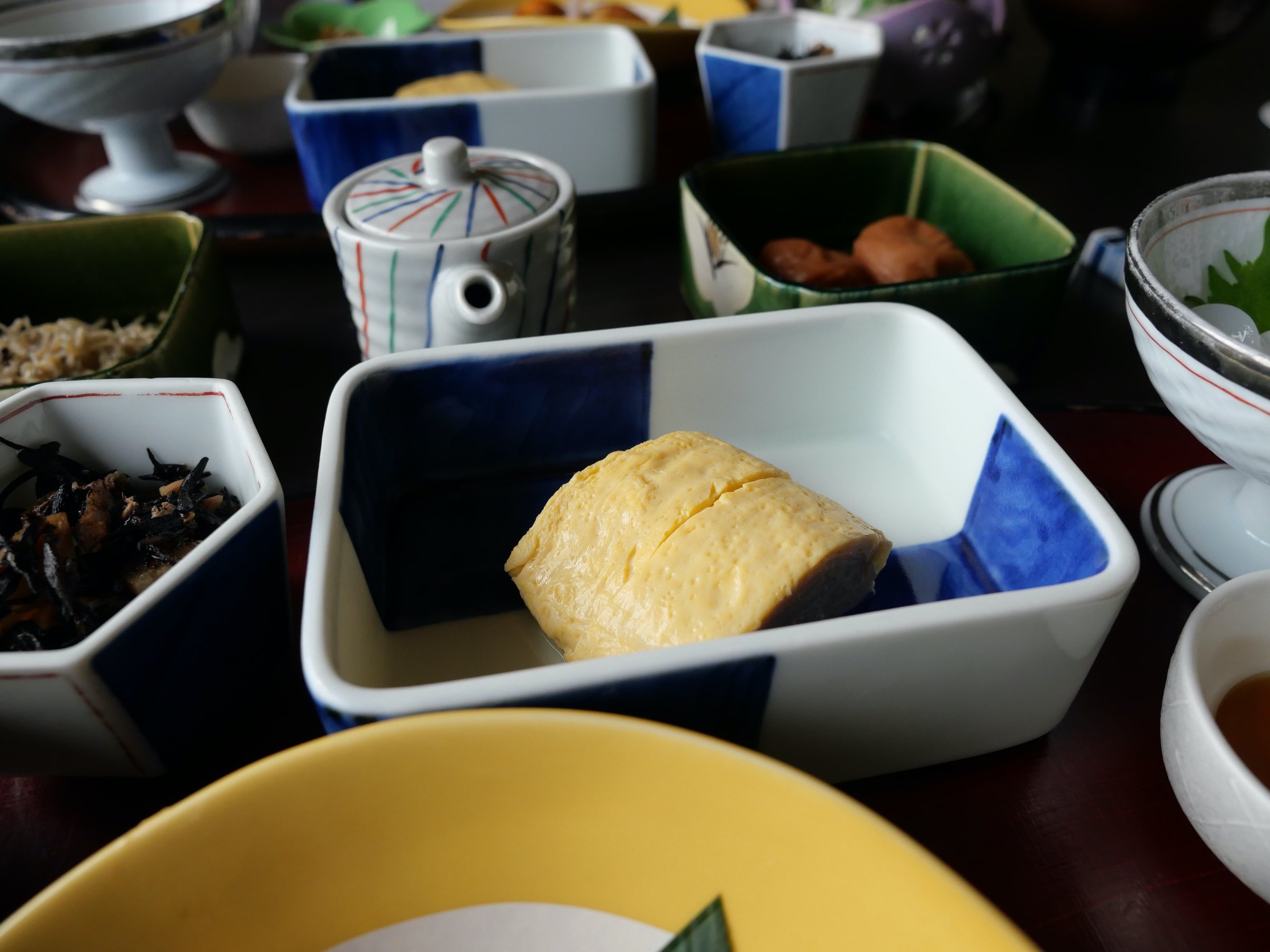
The next morning, a tray covered edge to edge with dishes was a sight that woke us up at once.
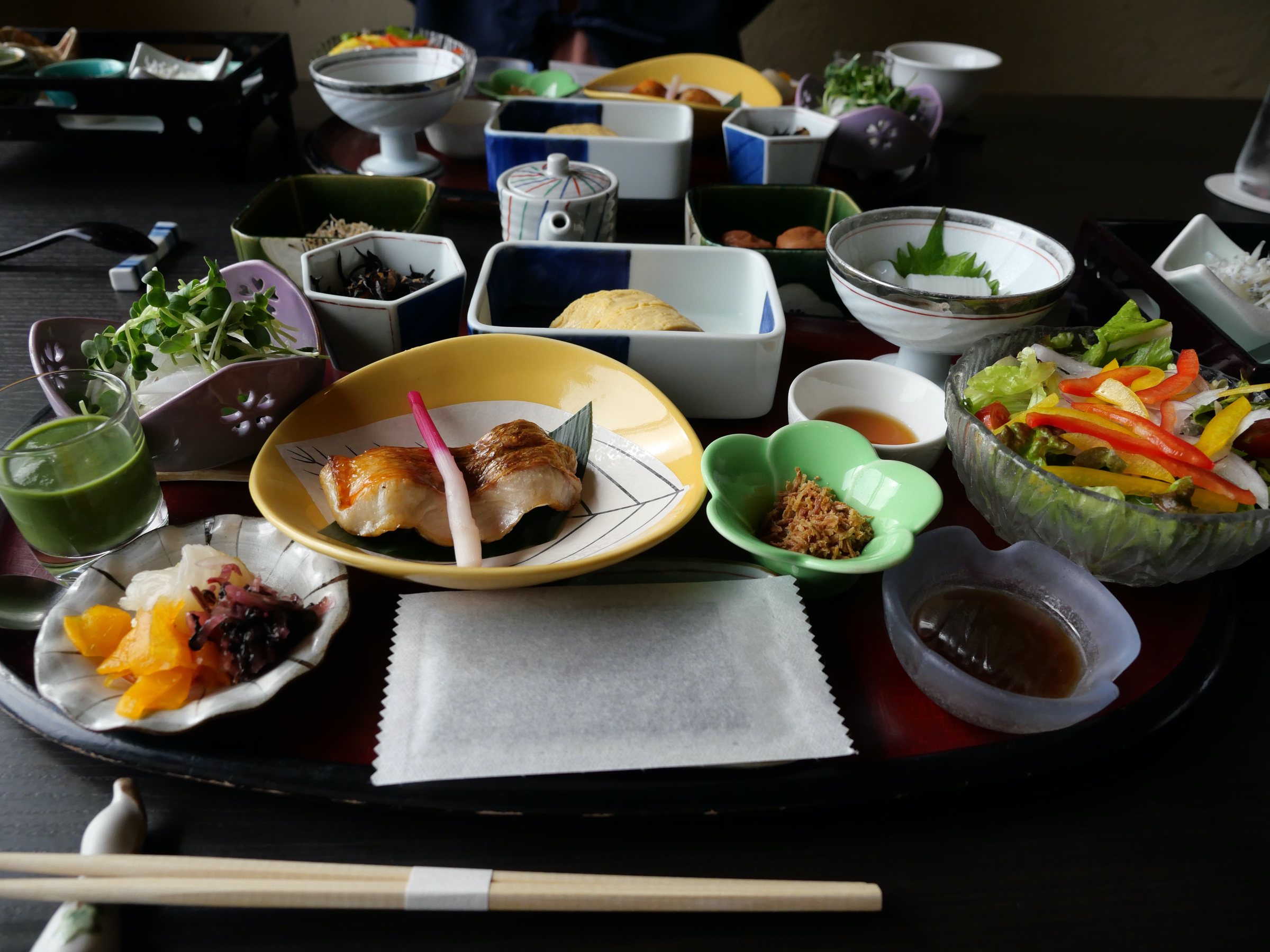
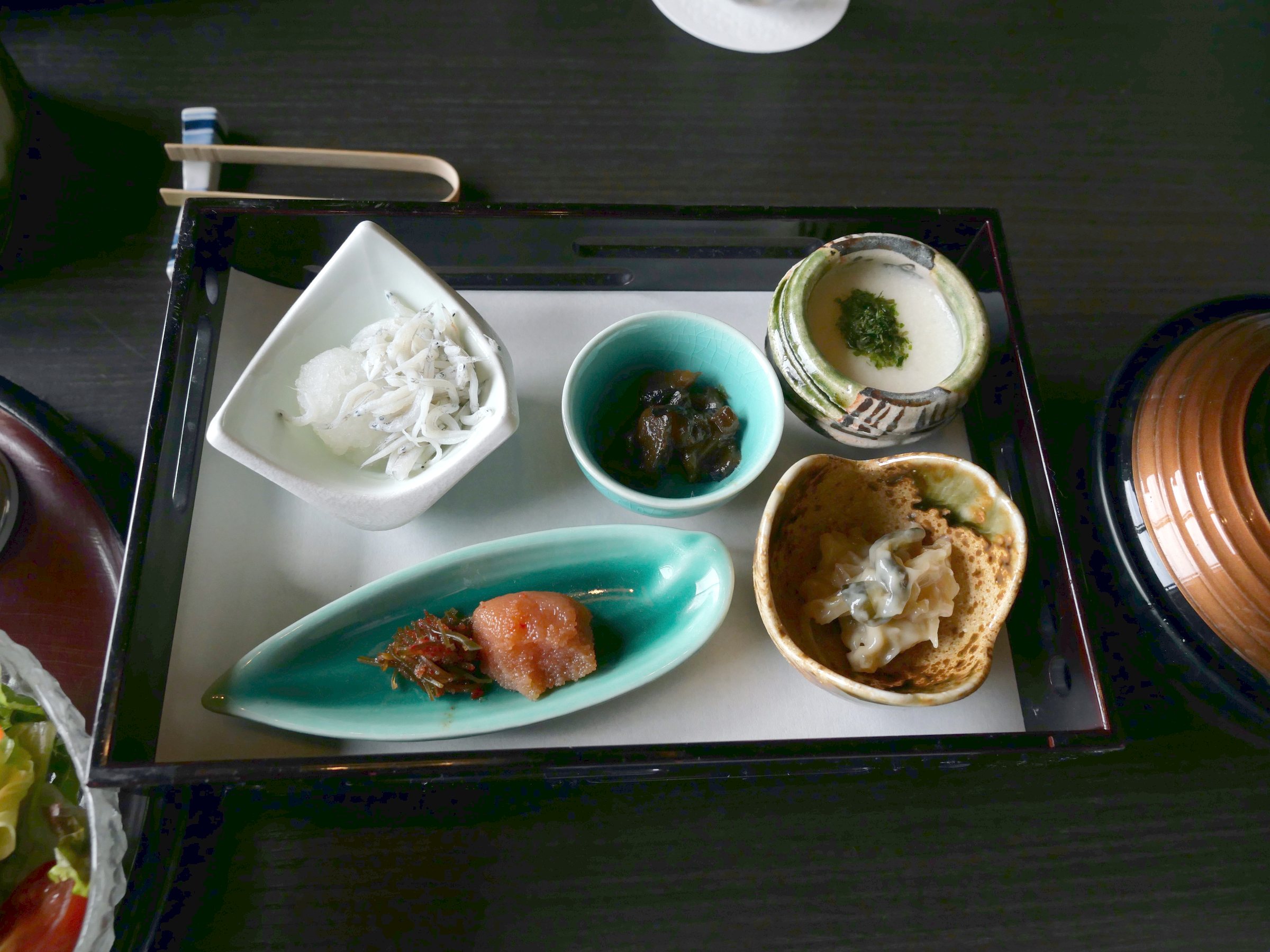
These were classic breakfast dishes, but every one had been made with care. The dashimaki (rolled omelet) was a fine piece of work, built up from many layers, with a texture almost like custard pudding. Whitebait and small dishes of delicacies kept the rice disappearing, even at that hour.
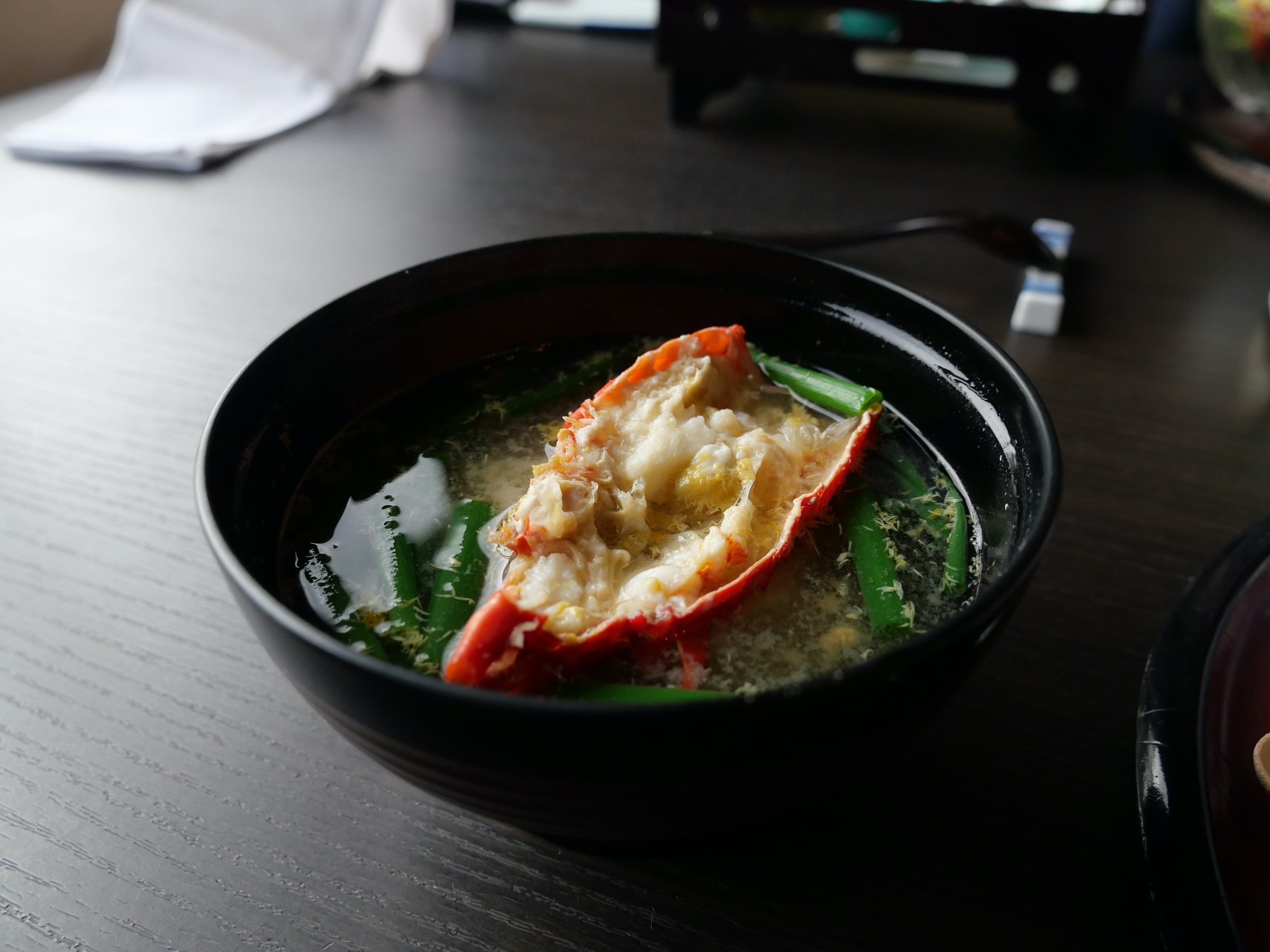
The spiny-lobster miso soup was a disappointment: it had an unpleasant smell, quite different from the briny scent of the shore, and little sense of dashi. At breakfast, the miso soup matters.
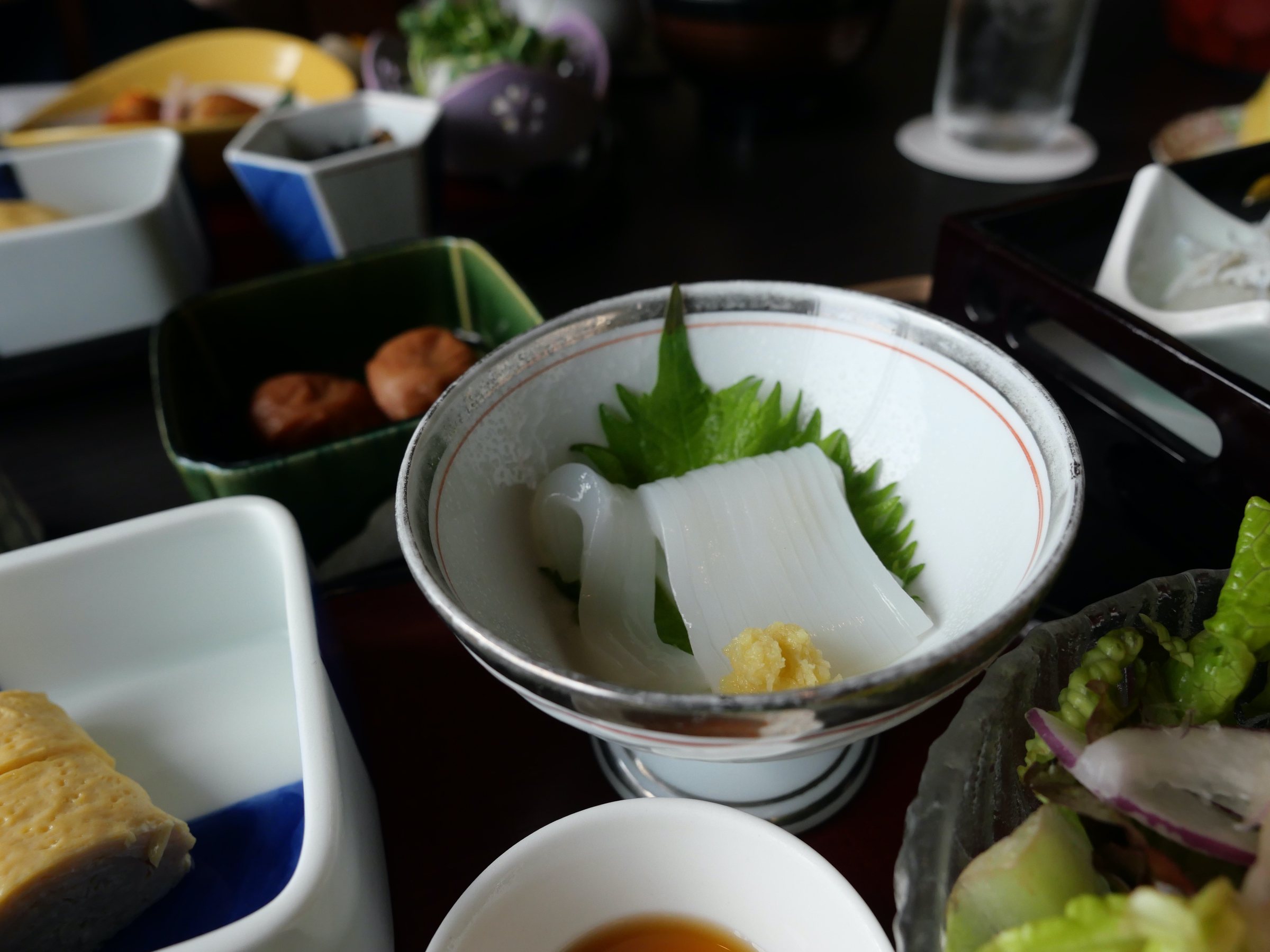
Sashimi in the morning reminds you that you are by the sea, and eating it with plain white rice is, to our minds, a distinctly Japanese pleasure.
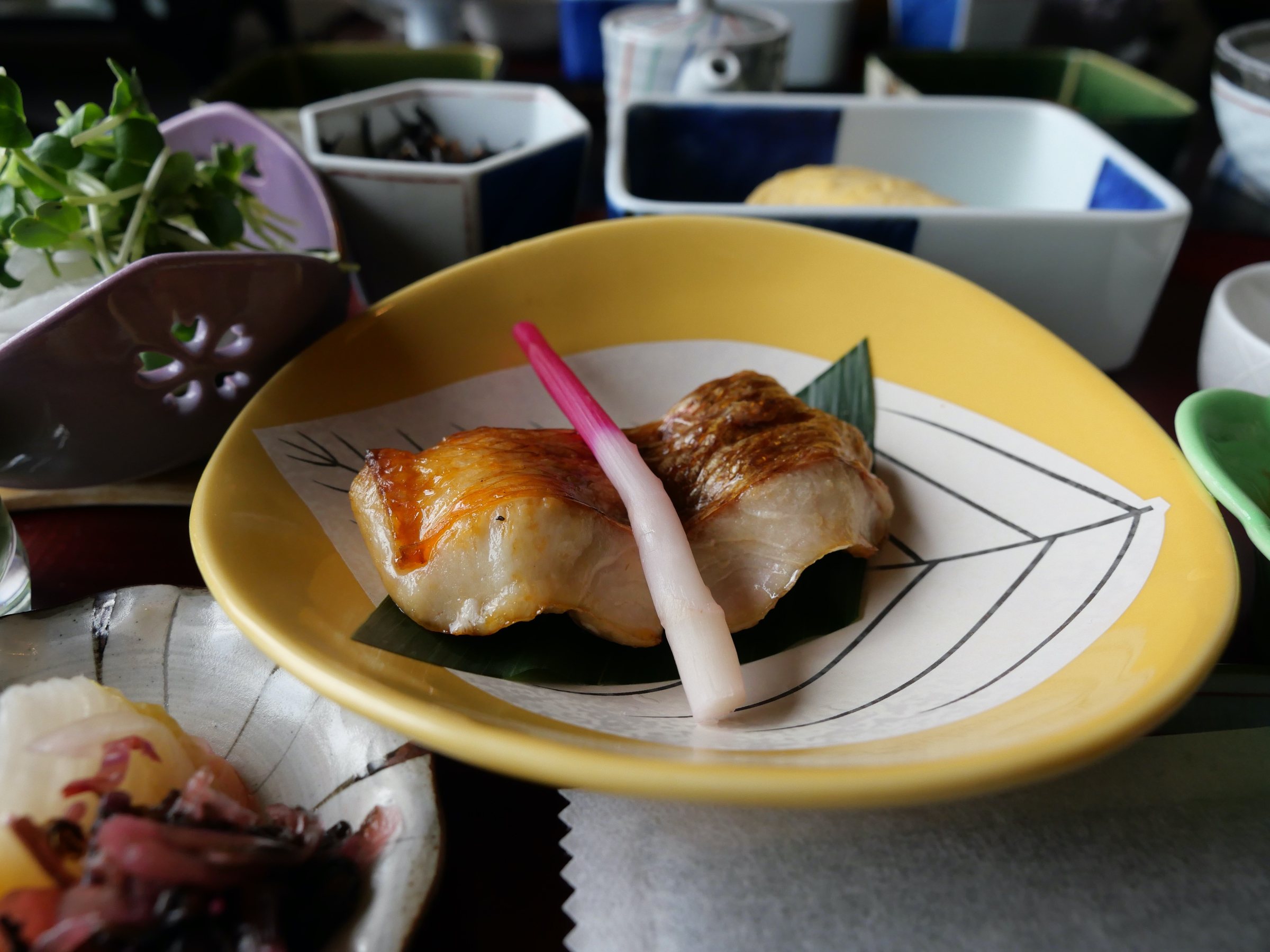
Then kinmedai (golden-eye snapper) himono, the fish split and dried, carefully deboned and naturally sweet. The Izu and Ito area has a great many dried-fish producers, and this carefully chosen example was excellent.
At home, breakfast is usually just a cup of coffee. Why, we wondered, does the appetite wake up so fiercely on a trip?
Final thoughts
Kawana Bettei is a premium space that feels like your own holiday house, with a gensen kakenagashi open-air bath (fed by spring water flowing straight from the source) that belongs to you alone. You need not meet anyone, and you can take in the surrounding nature in genuine silence. These days, it might also work well as a place to stay and get some quiet work done.
This review reflects a stay in spring 2020. Facilities, menus and booking perks change; please confirm current details directly with Yukitei Kawana Bettei before visiting.