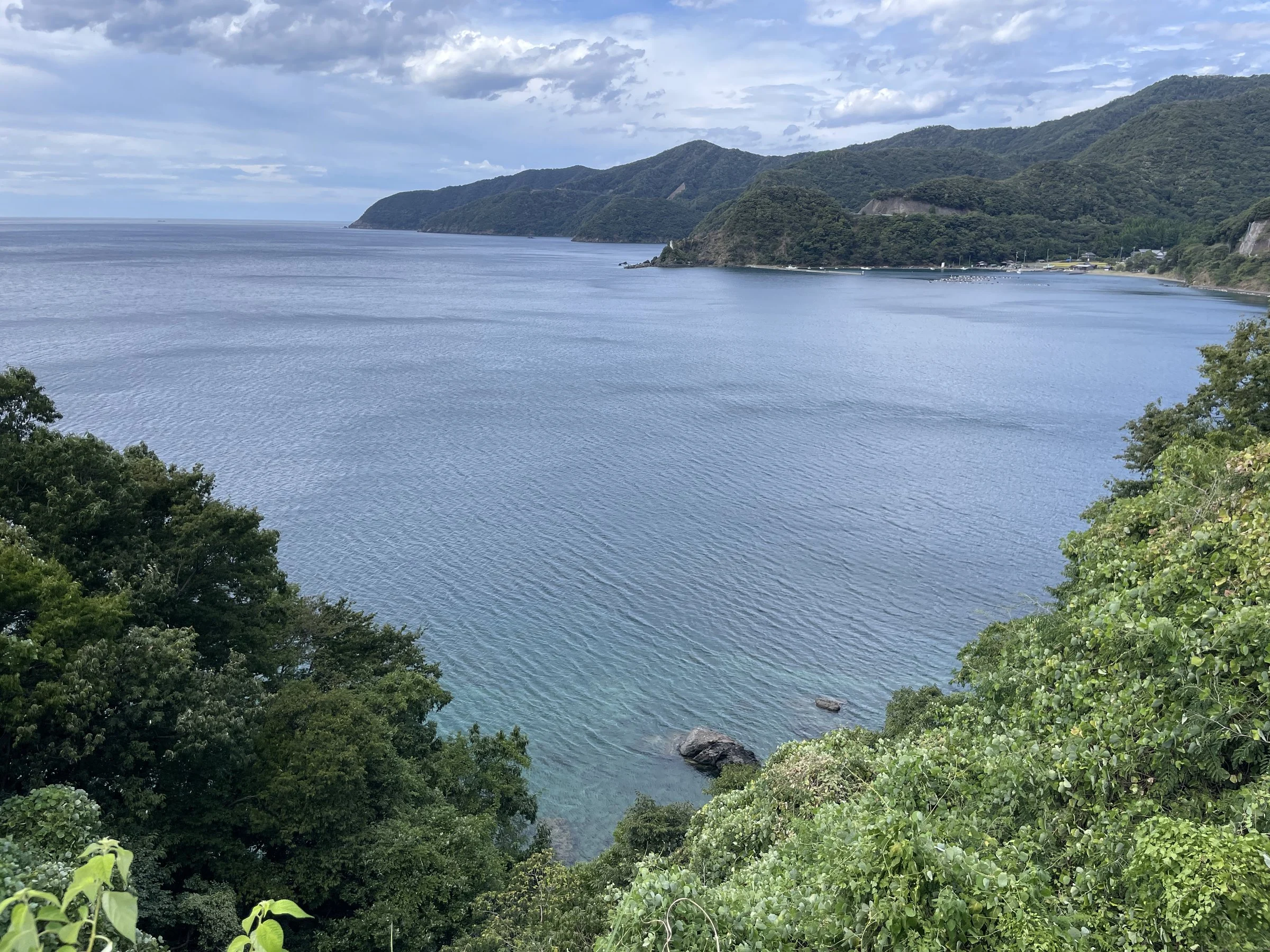
Summer in the Mikatakaminaka district of Fukui. From here you look out over the sea of Wakasa, which appears in the Man’yōshū, Japan’s oldest anthology of poetry. Blue sky, wooded hills and the colors of the sea stir every one of the senses of those who come here.
Arrival by the lake
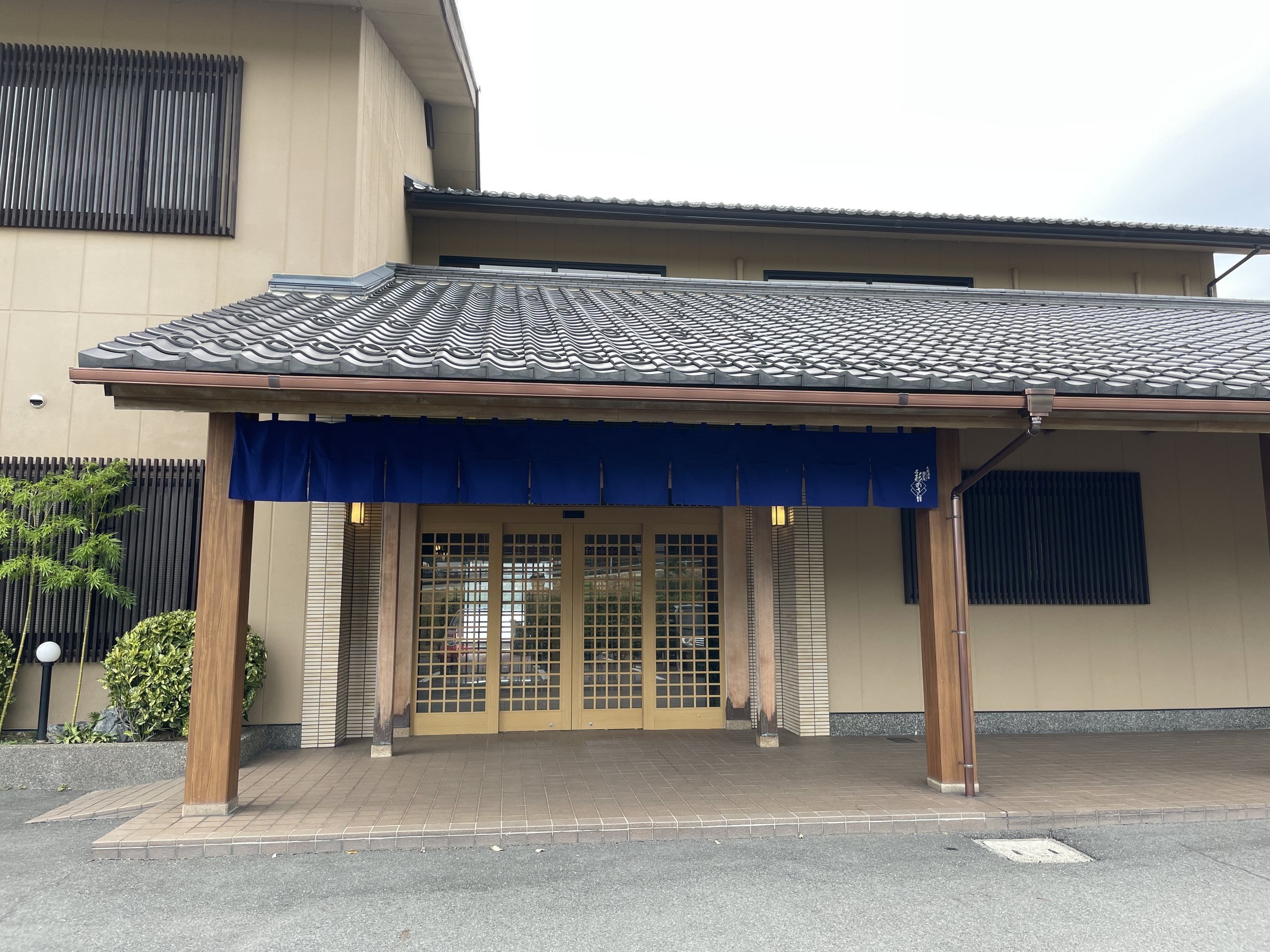
Our ryokan for this trip, Irokasane at the Okasanya natural hot spring, stands right in front of the expressway’s smart interchange. It is a compact, simply designed building, set off by a beautiful indigo noren, the curtain hung over the entrance.
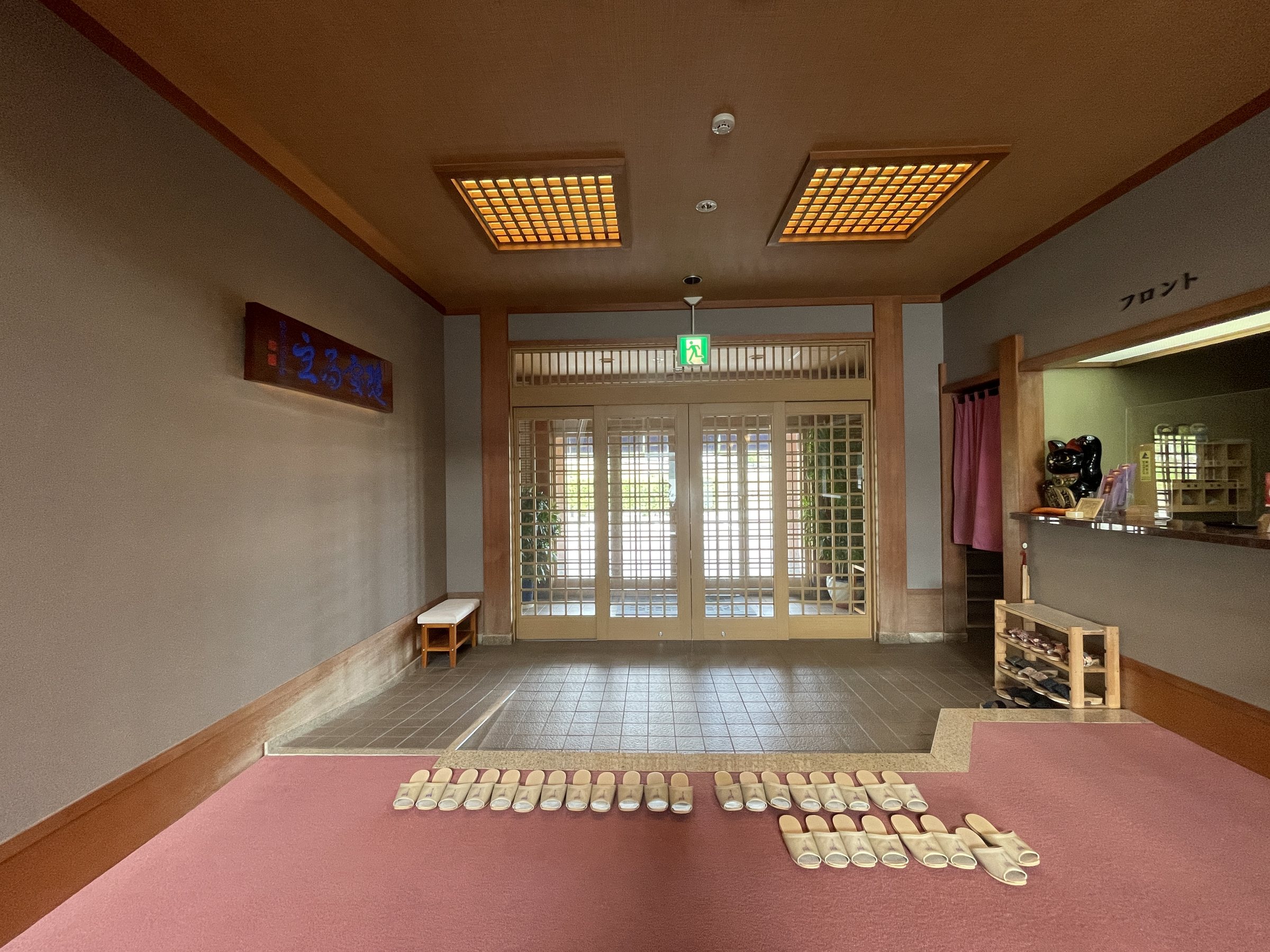
We arrived before check-in time, but a member of staff hurried over to help us and asked us to wait in the lobby for just a short while. We were welcomed with a kind smile, and the warm local turns of phrase gave us a feeling of nostalgia.
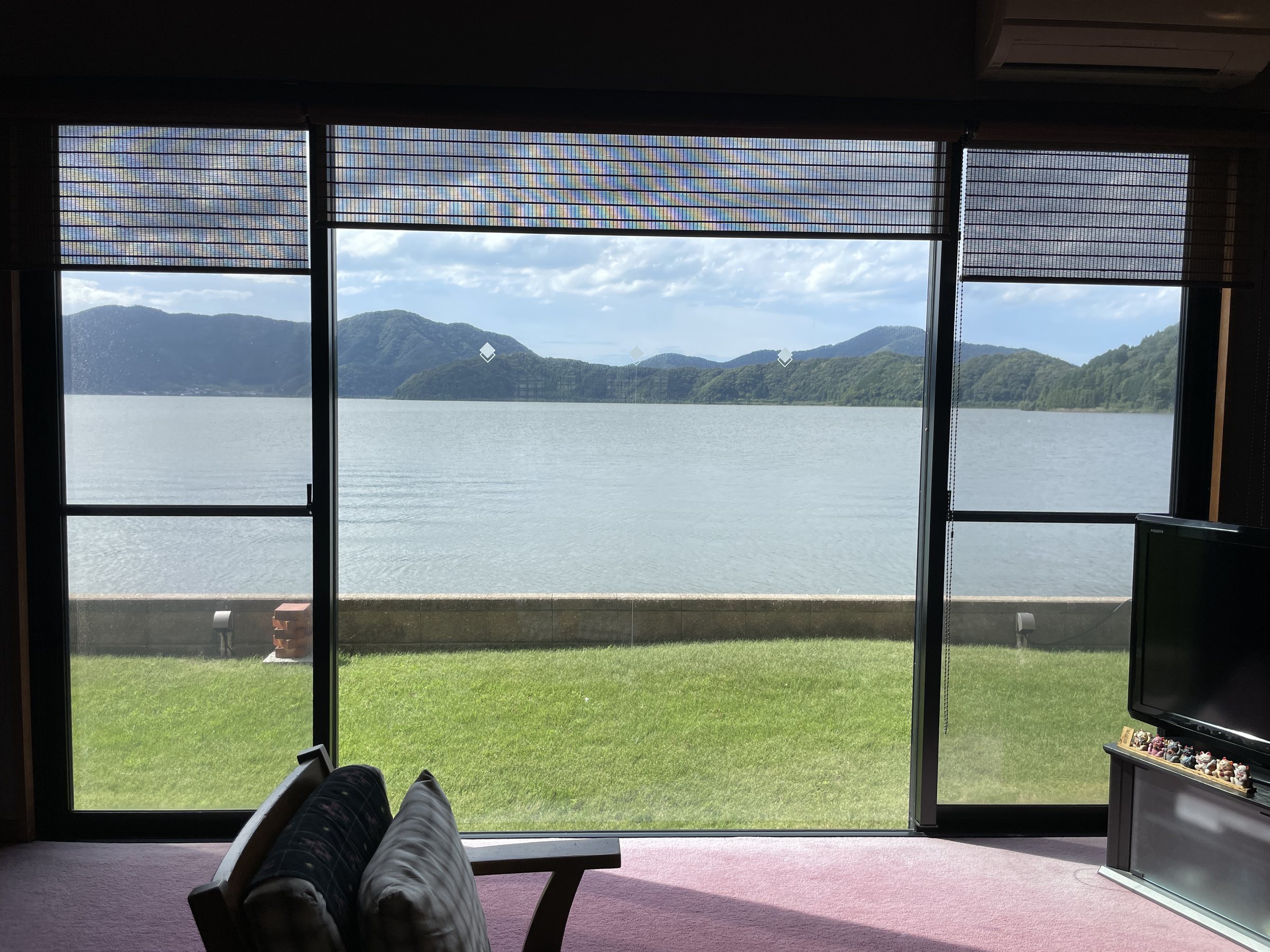
Right in front of the lobby spreads the great natural expanse of Lake Mikata, and the hot summer wind turned cool as it drifted toward us across the water. The deep green of the lawn, the color of summer, lifted our spirits still further. While we were taking in the view, we were shown to our room earlier than planned.
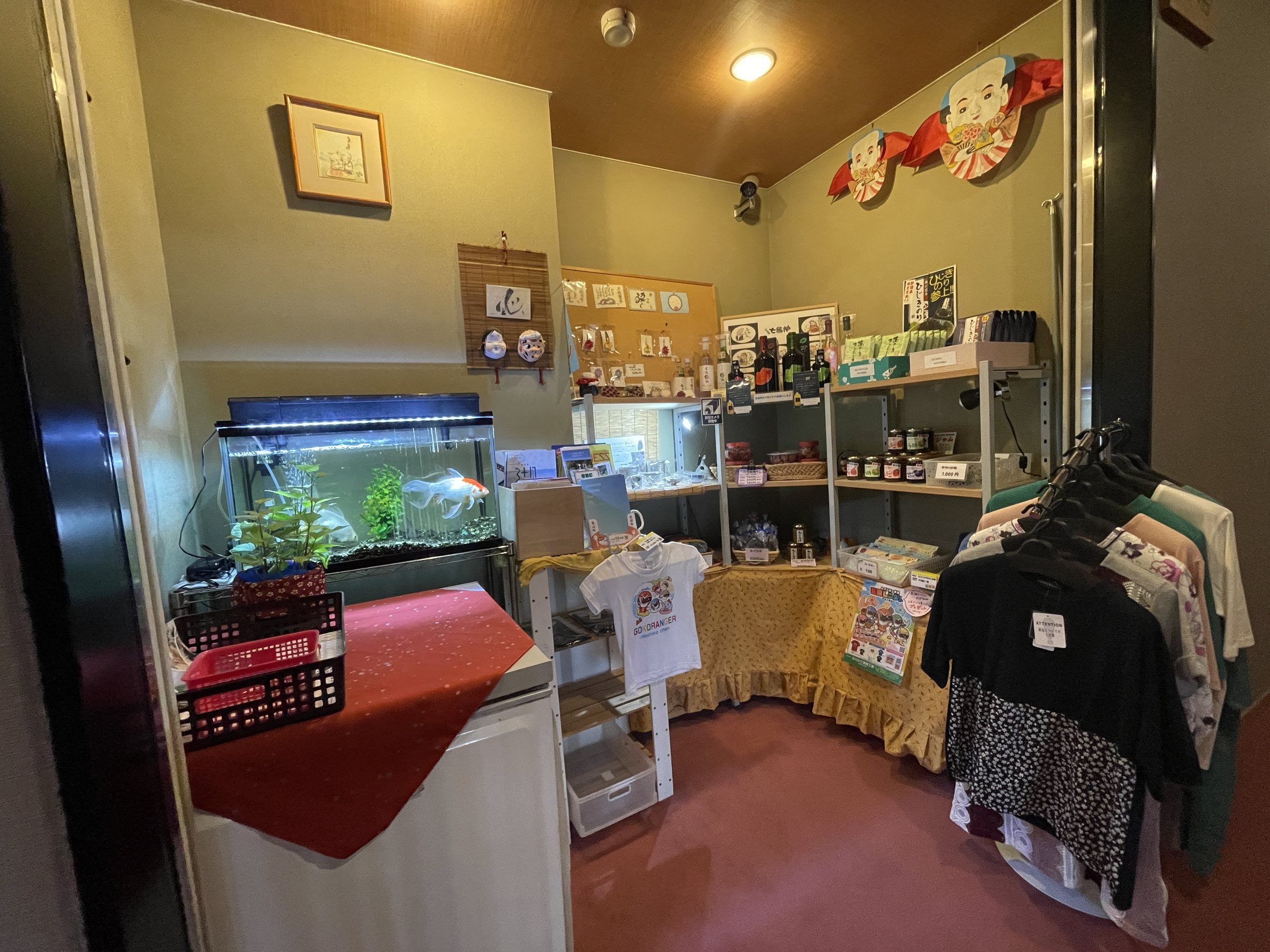
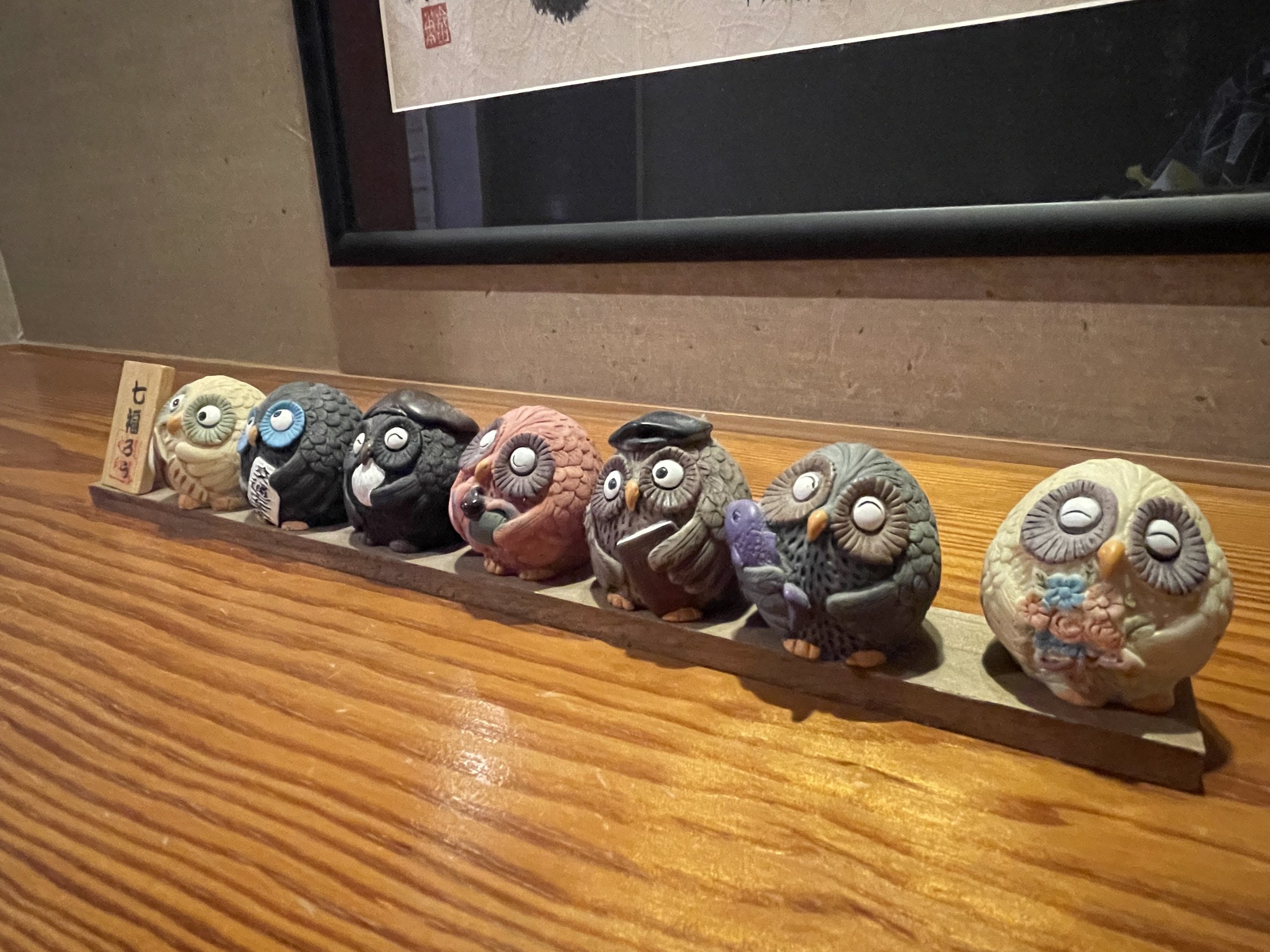
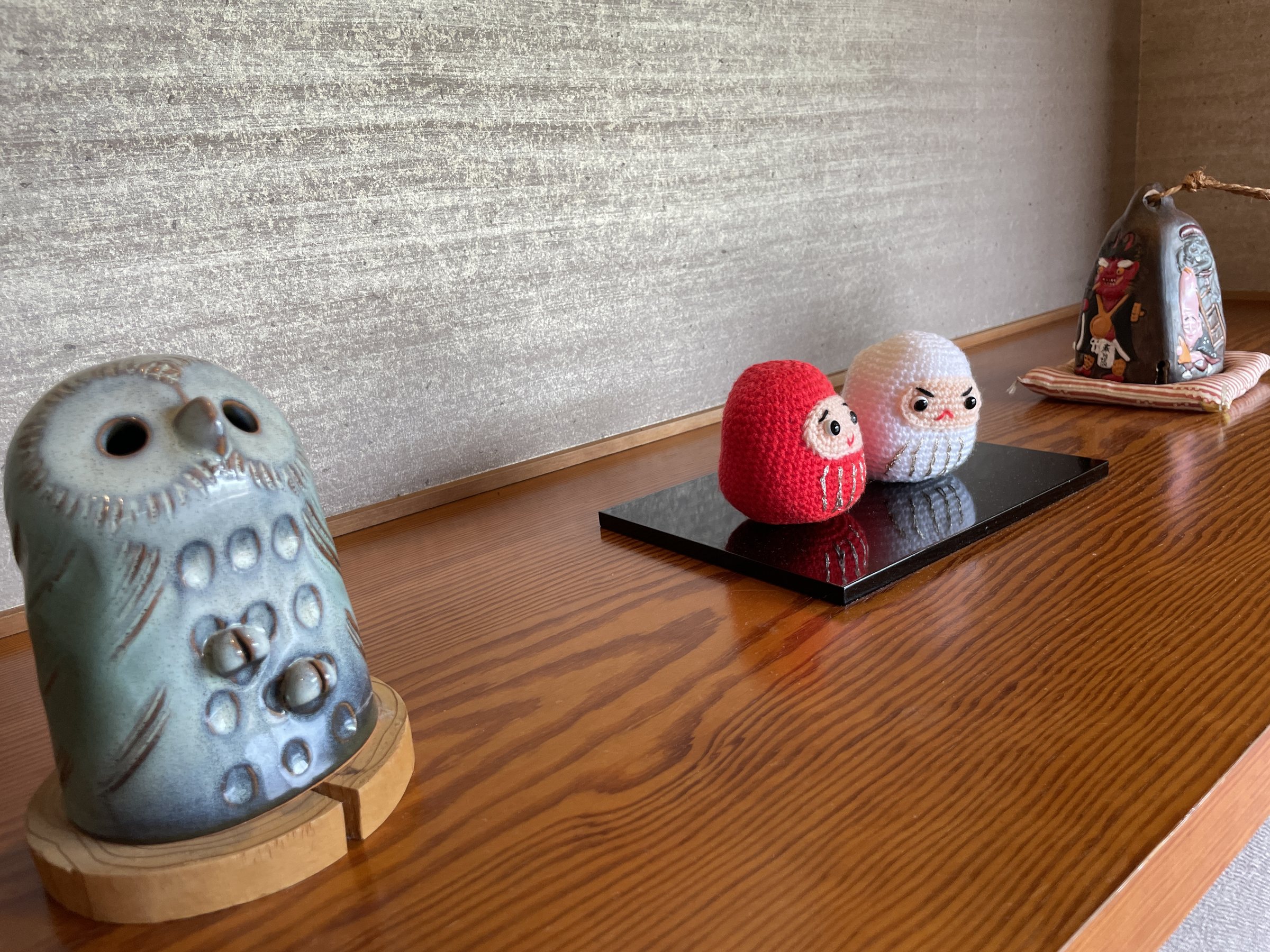
Many of the decorations around the ryokan are delicate pieces, and we kept catching ourselves saying how sweet they were. The shop also sold umeboshi, the pickled plums for which the town is known.
A room over the water
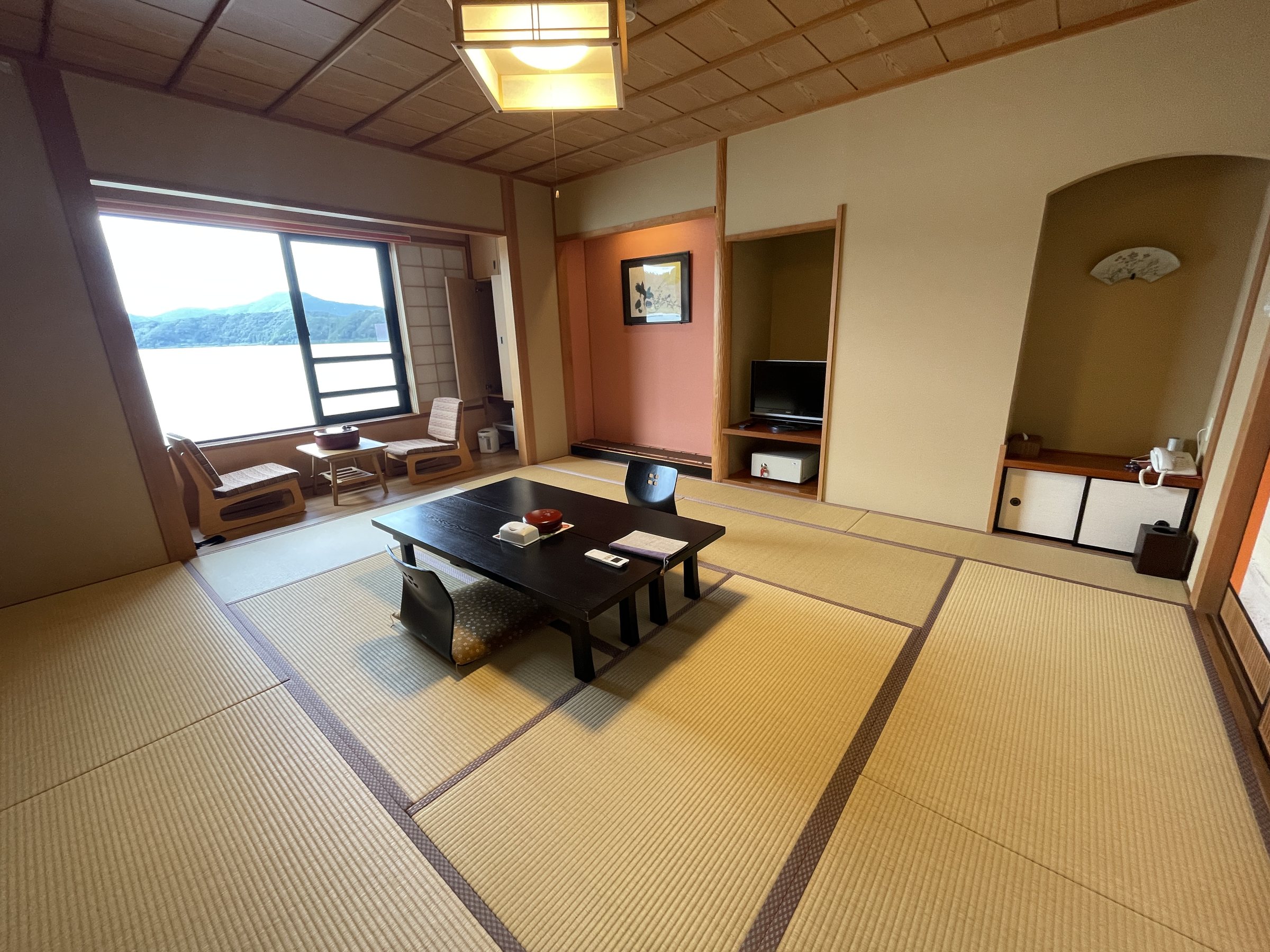
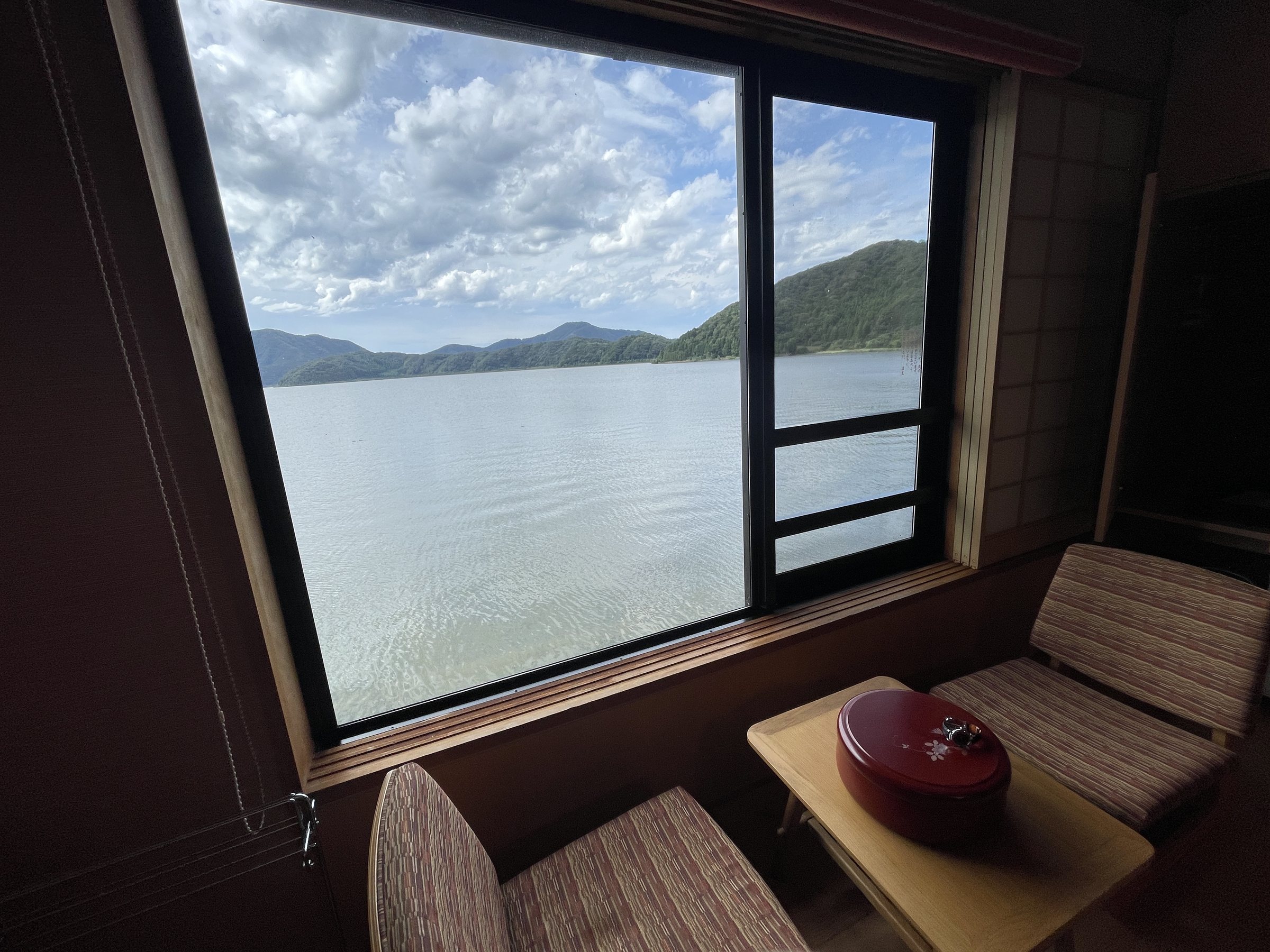
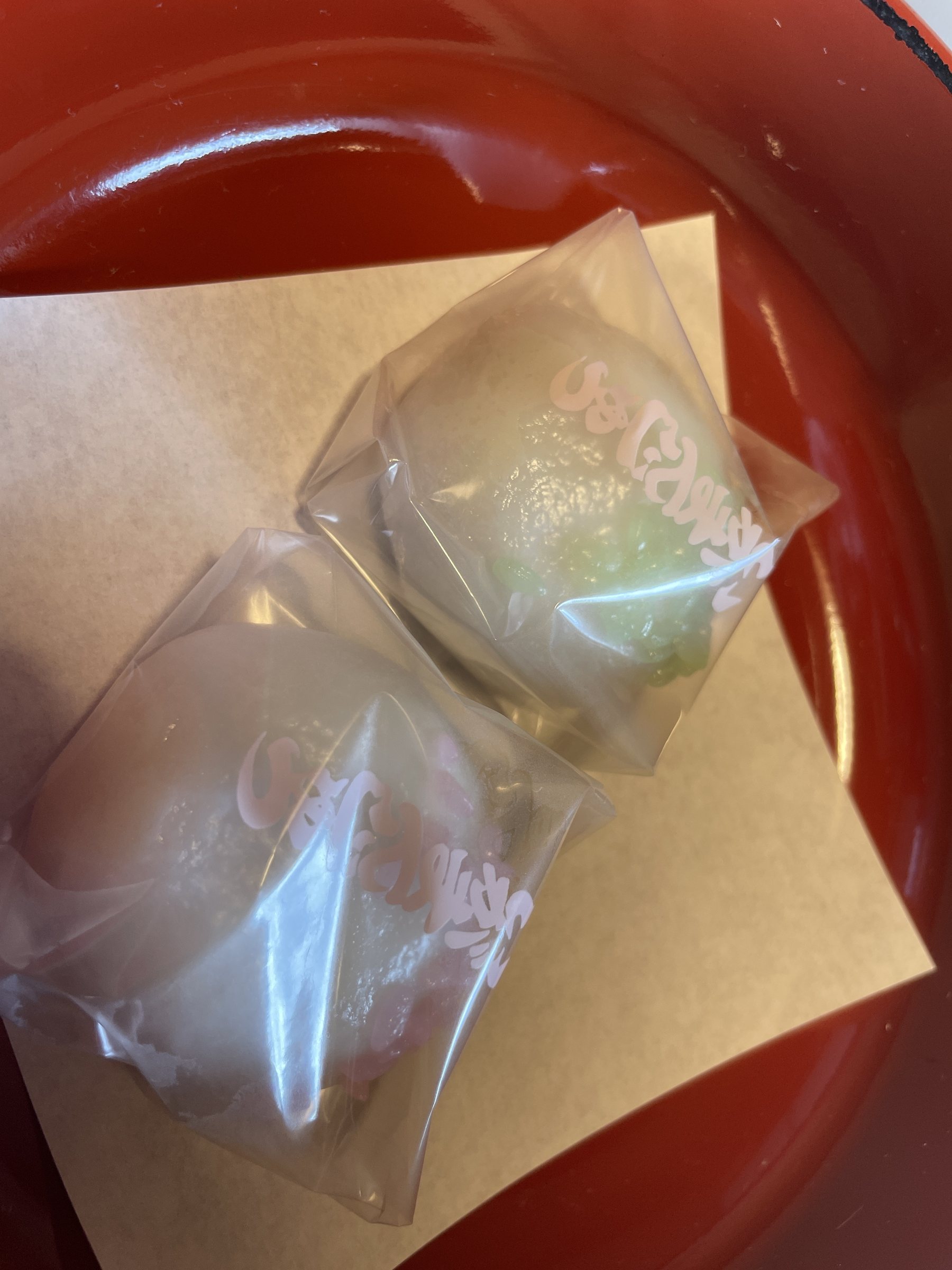
The traditional Japanese room has large windows, and the lake, almost close enough to touch, sends a lively breeze into the room. It was well cleaned and spotless, and comfortable to stay in. The pale-colored manju (sweet buns) left for us were delicious.
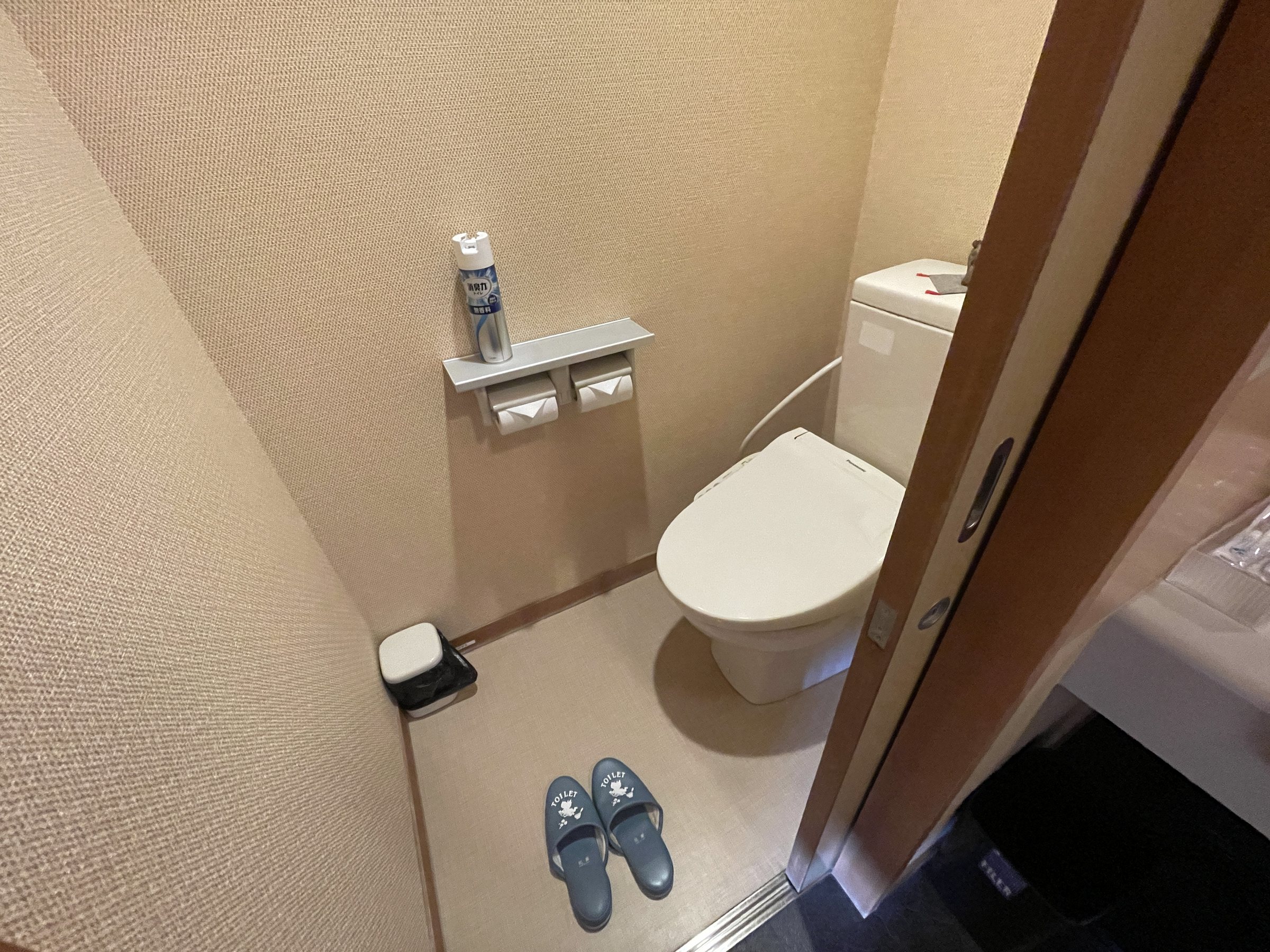
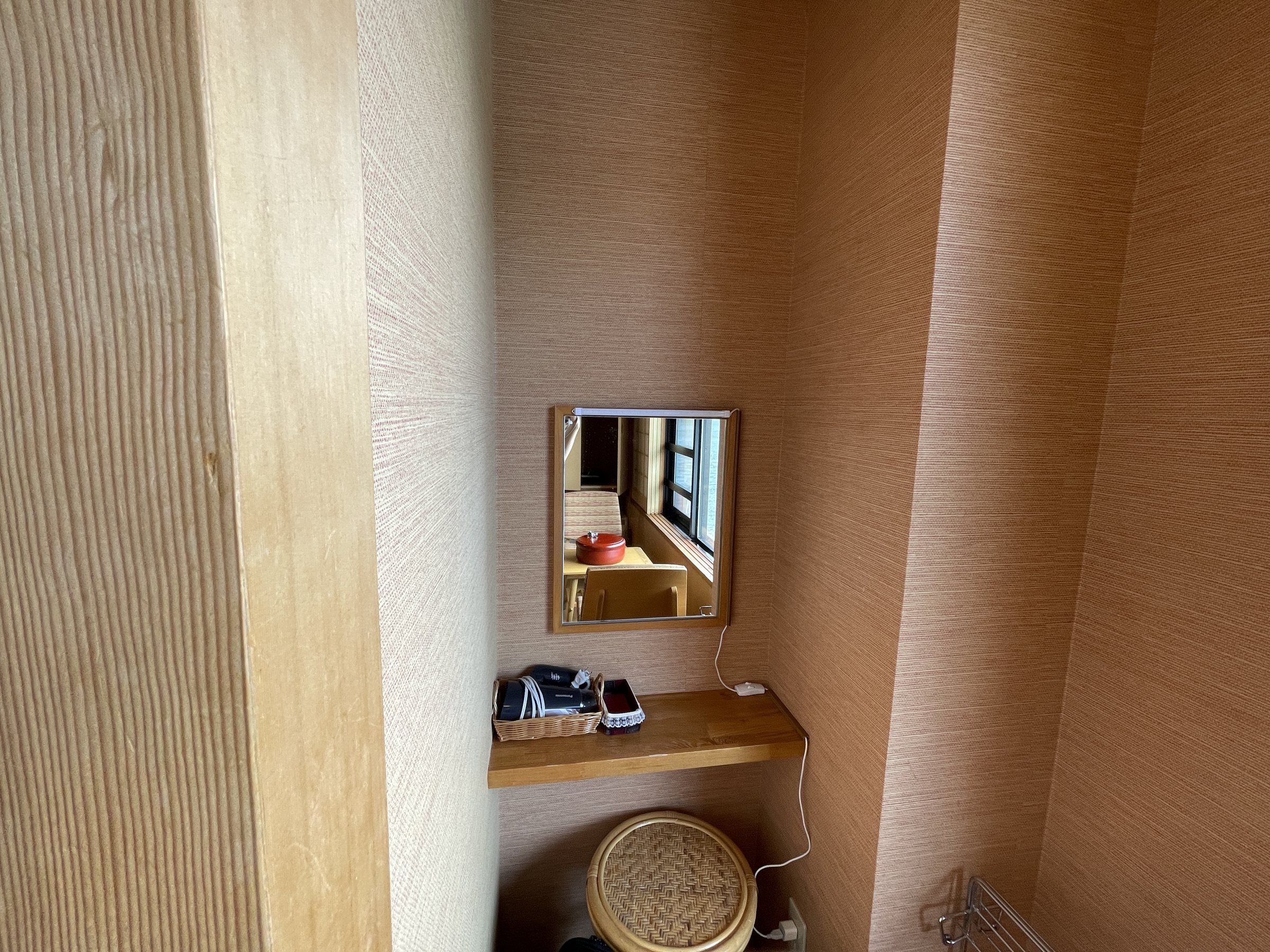
Compared with the newest places to stay, the building shows its age, but we never found it inconvenient. Whether by design or not, the dressing table is positioned so that direct sunlight is kept out, yet there is enough natural light to put on make-up.
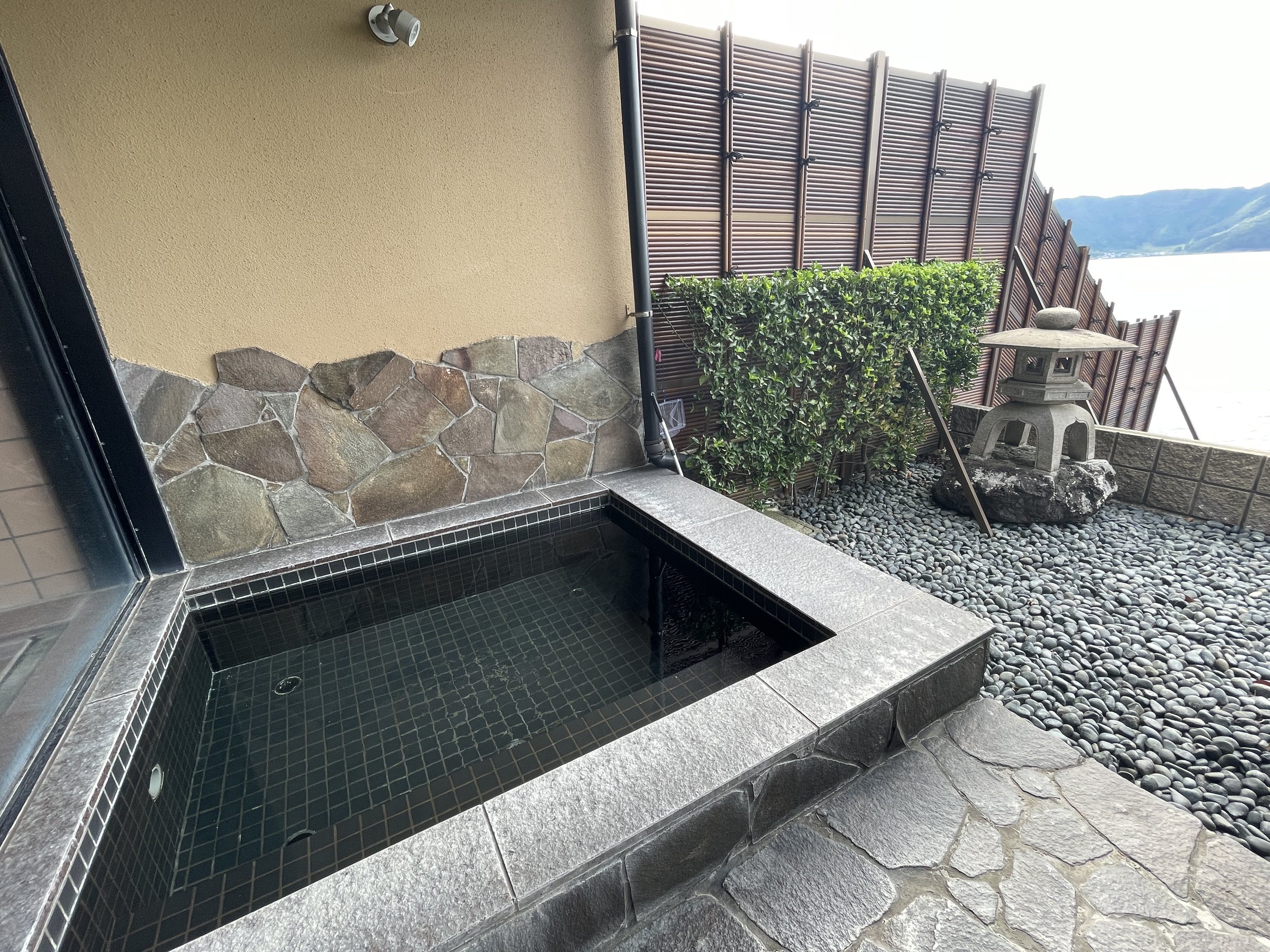
A small bath with a big view
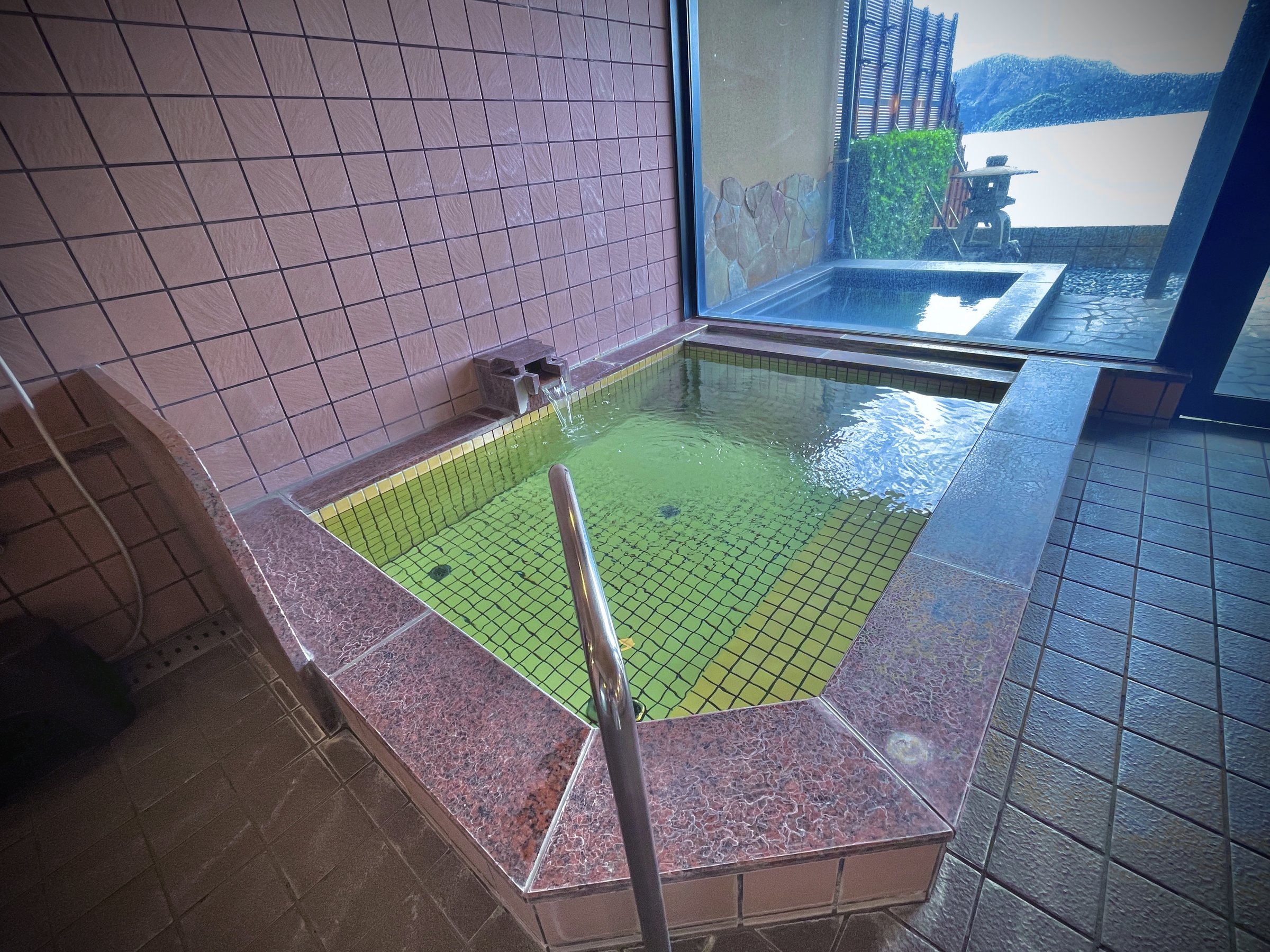
Looking forward to the natural hot spring, we headed for the indoor and open-air baths. The tubs are charmingly small, big enough for about three adults. The water has a light, smooth feel, as though it were mixed with water from the sea. The view spread out in front of us made the bath all the more enjoyable. By good luck we had it to ourselves at that hour, and the broad lake was so wide that it could have been mistaken for the sea.
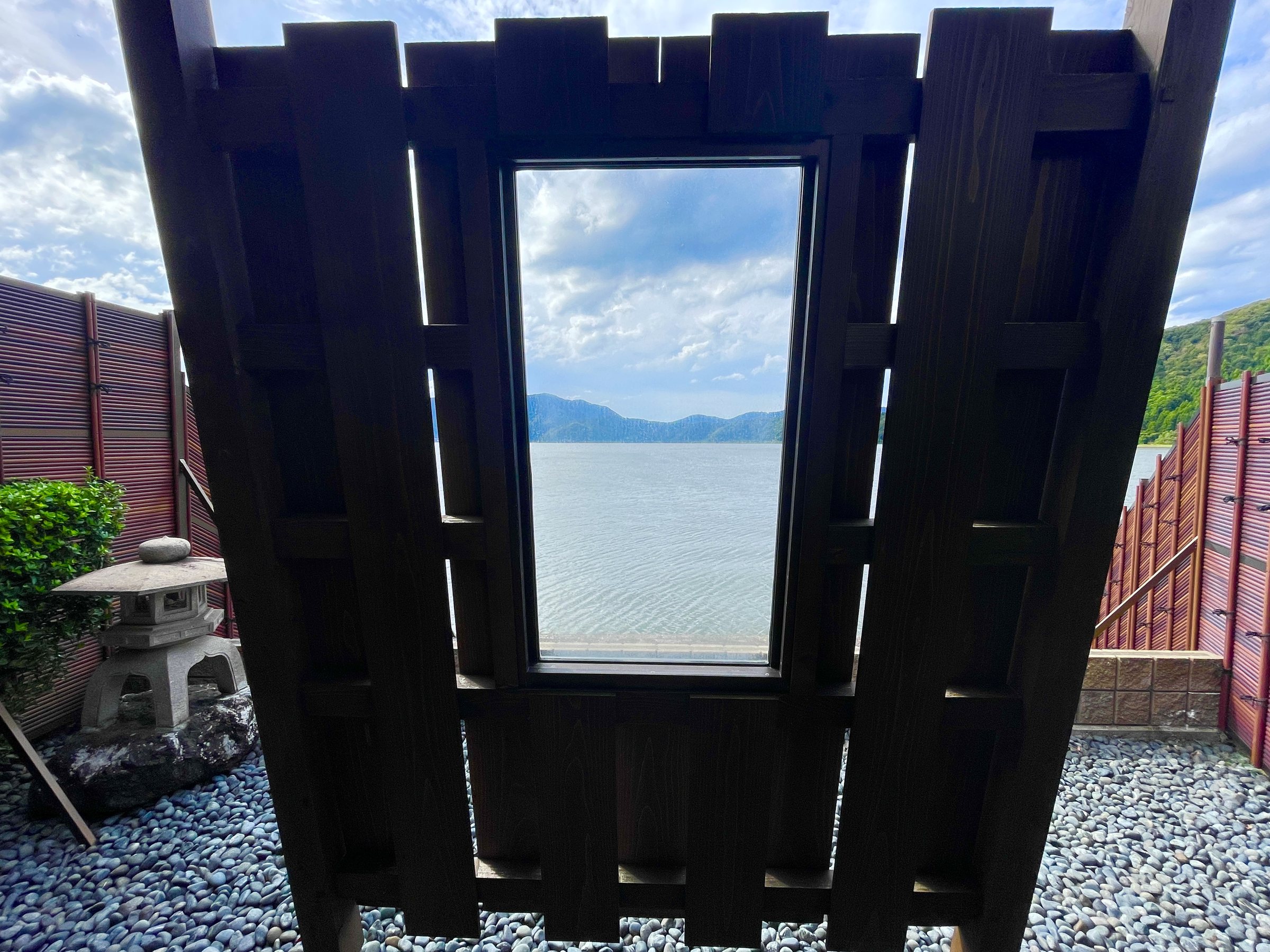
A standing wooden panel with a small window in it stands by the open-air bath. We were not sure what it is for, but we used it like a photo spot and framed the view inside it. Looking out from the bath through this frame, at the clear horizon and the colors of the hills, we found ourselves taking a deep breath.
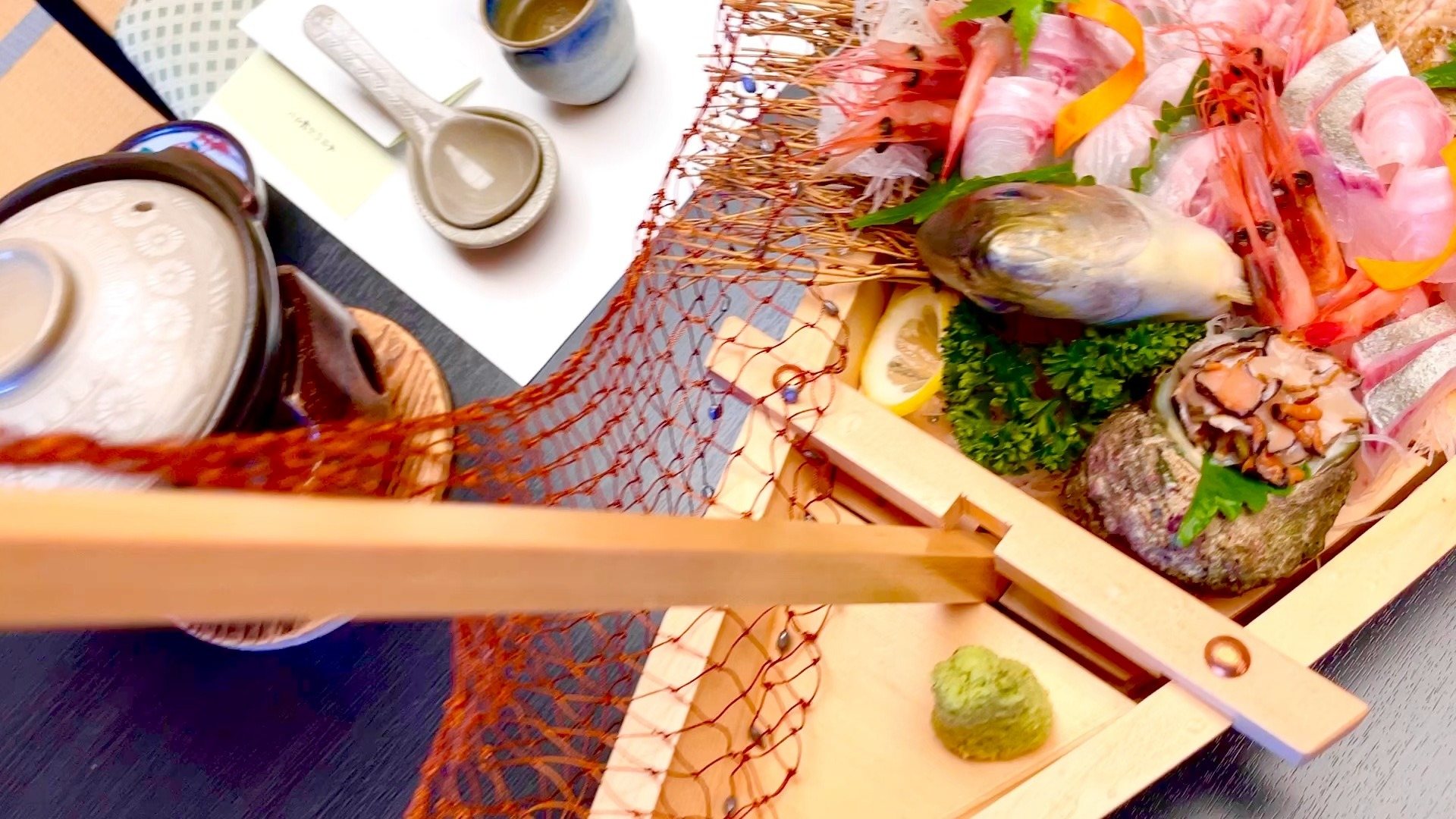
Dinner from the boat
This ryokan is family-run, and we were told that the family used to take a boat out to fish. They still take great care over their fish, and the best catch of the moment is served as funamori, a sashimi platter arranged on a model boat. The flavor of the fish on this lavish platter came through clearly. Everything seemed to have been carefully prepared, and the sashimi ranged from the very fresh to pieces from which some moisture had been drawn, so we could enjoy a range of textures.
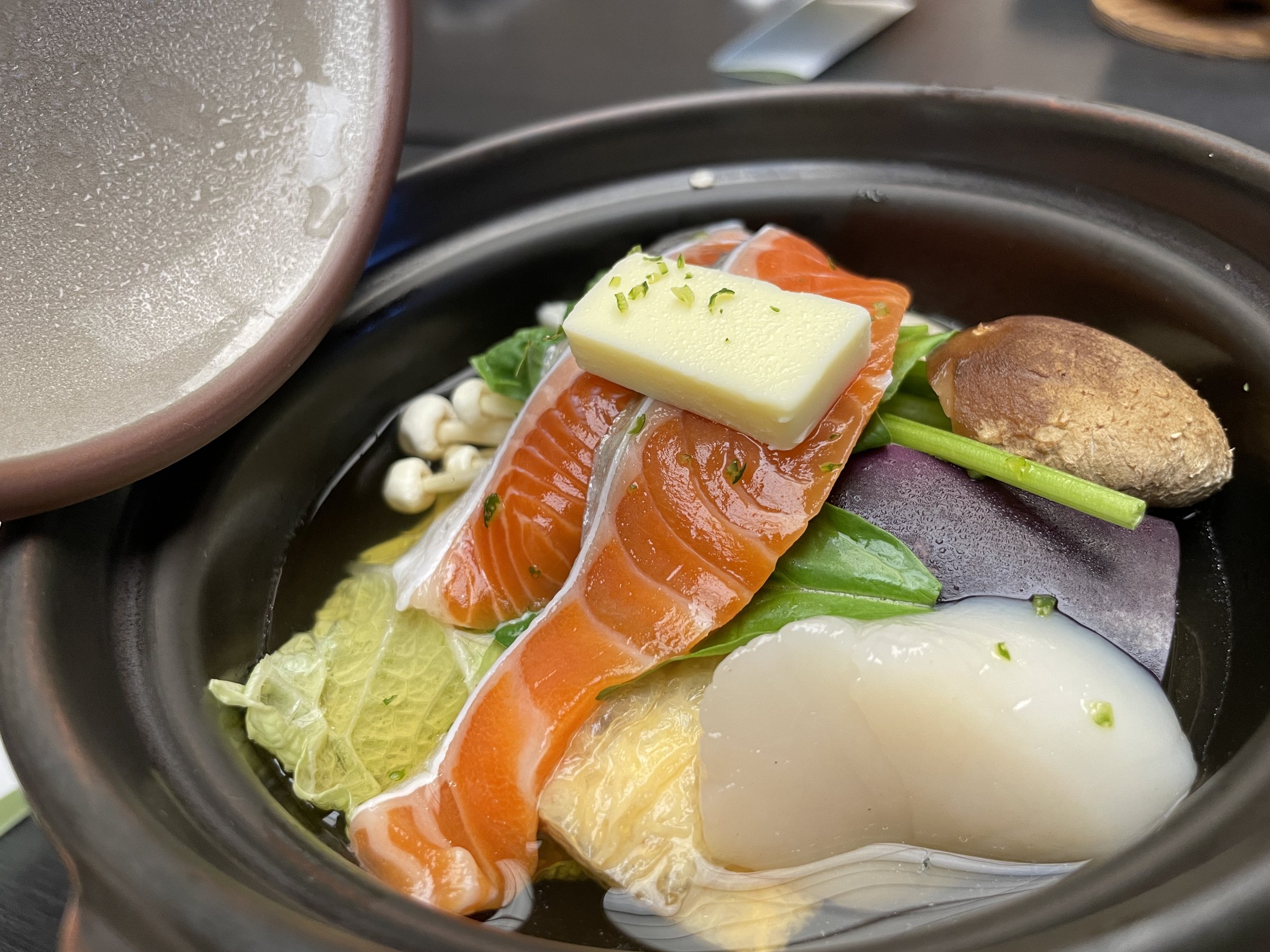
Next, a salt and butter hot pot with Fukui Salmon, a local brand, and a large scallop. When we lifted the lid, the glossy, rose-red salmon drew a sigh from us.
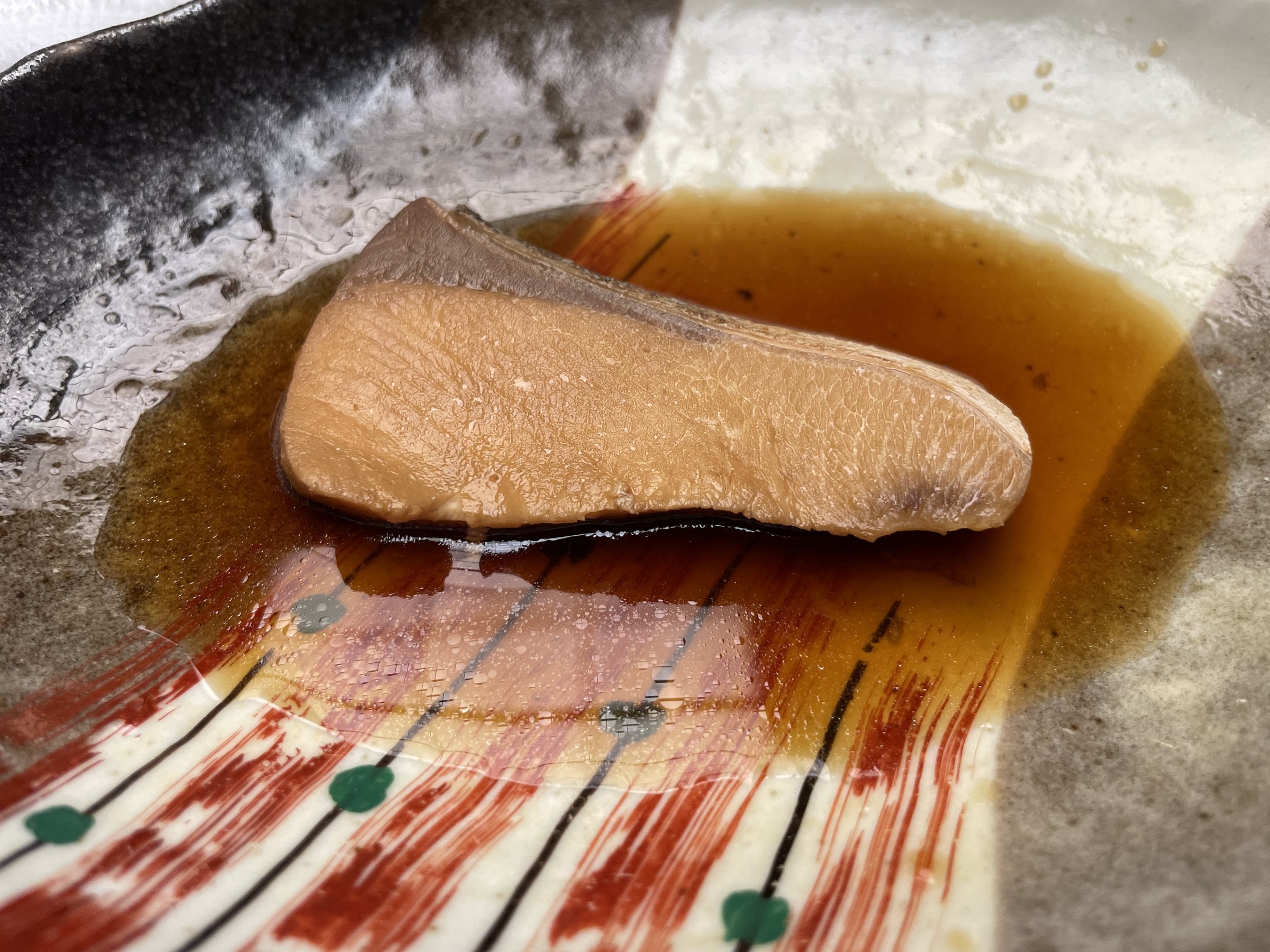
Teriyaki of buri (yellowtail). The seasoning was standard, but the simmered fish was presented beautifully, without the flesh breaking apart.
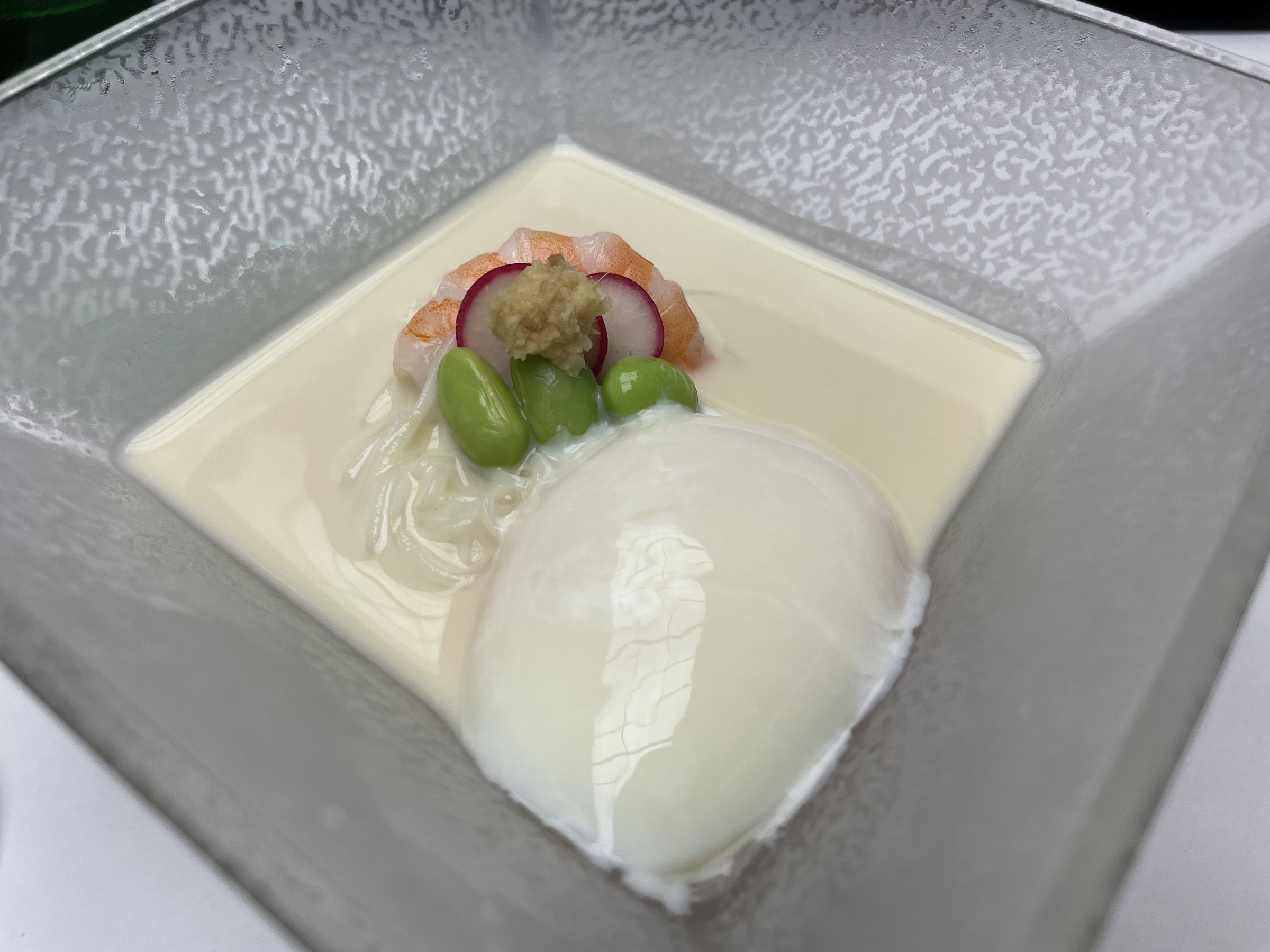
Chilled soy-milk somen (thin wheat noodles) came with edamame and topped with an onsen tamago, a soft-cooked egg. The dashi rang through clearly, recalling the summer somen of Kyoto.
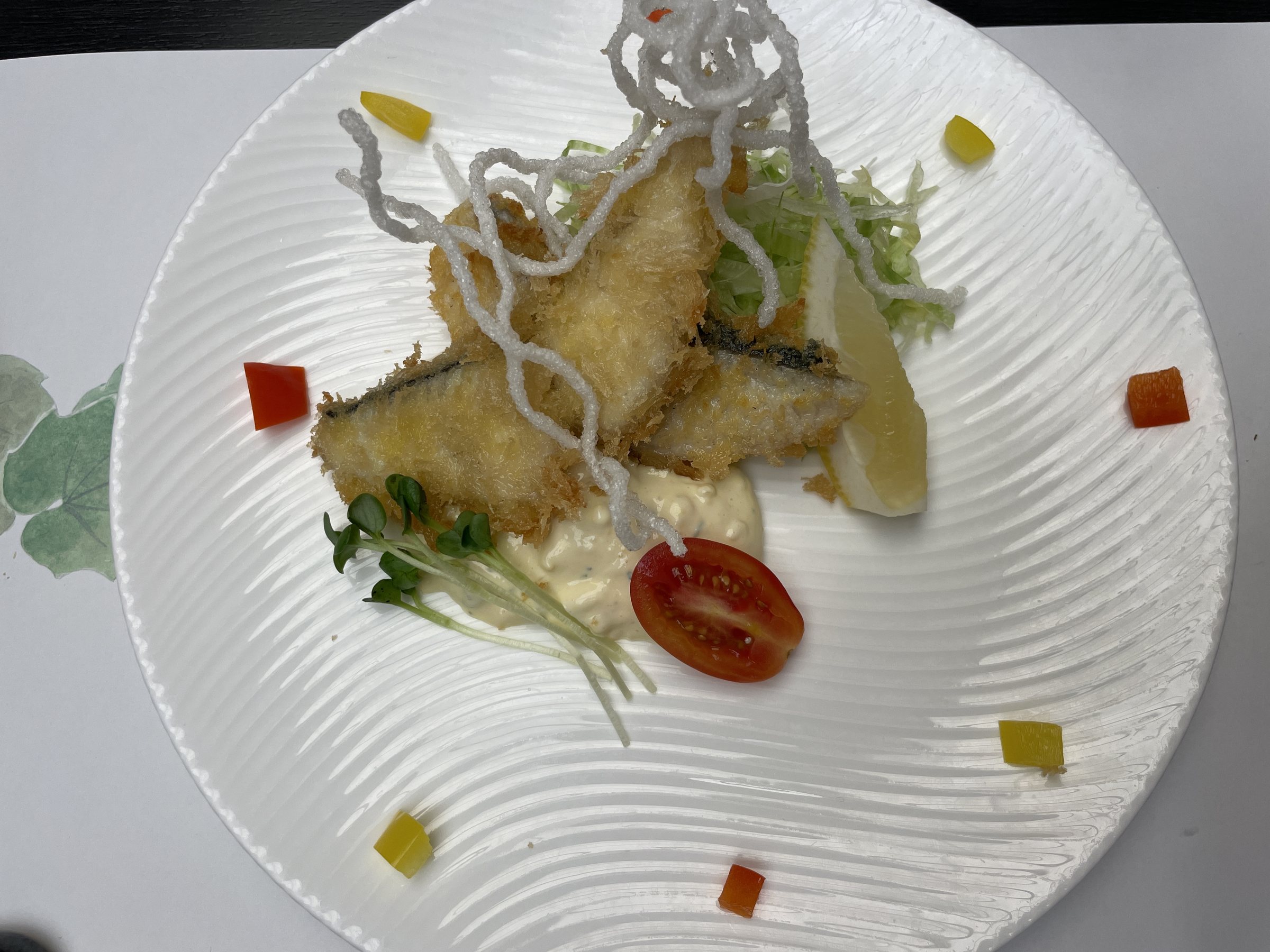
From fish to steak
Then came fried sawara (Spanish mackerel) with house-made tartar sauce. The course moved steadily from the sashimi boat toward Western-style dishes, which kept it interesting. The frying temperature seemed a little low and the fish was not drained well enough of oil, but the sawara itself was a light white fish with no fishy smell.
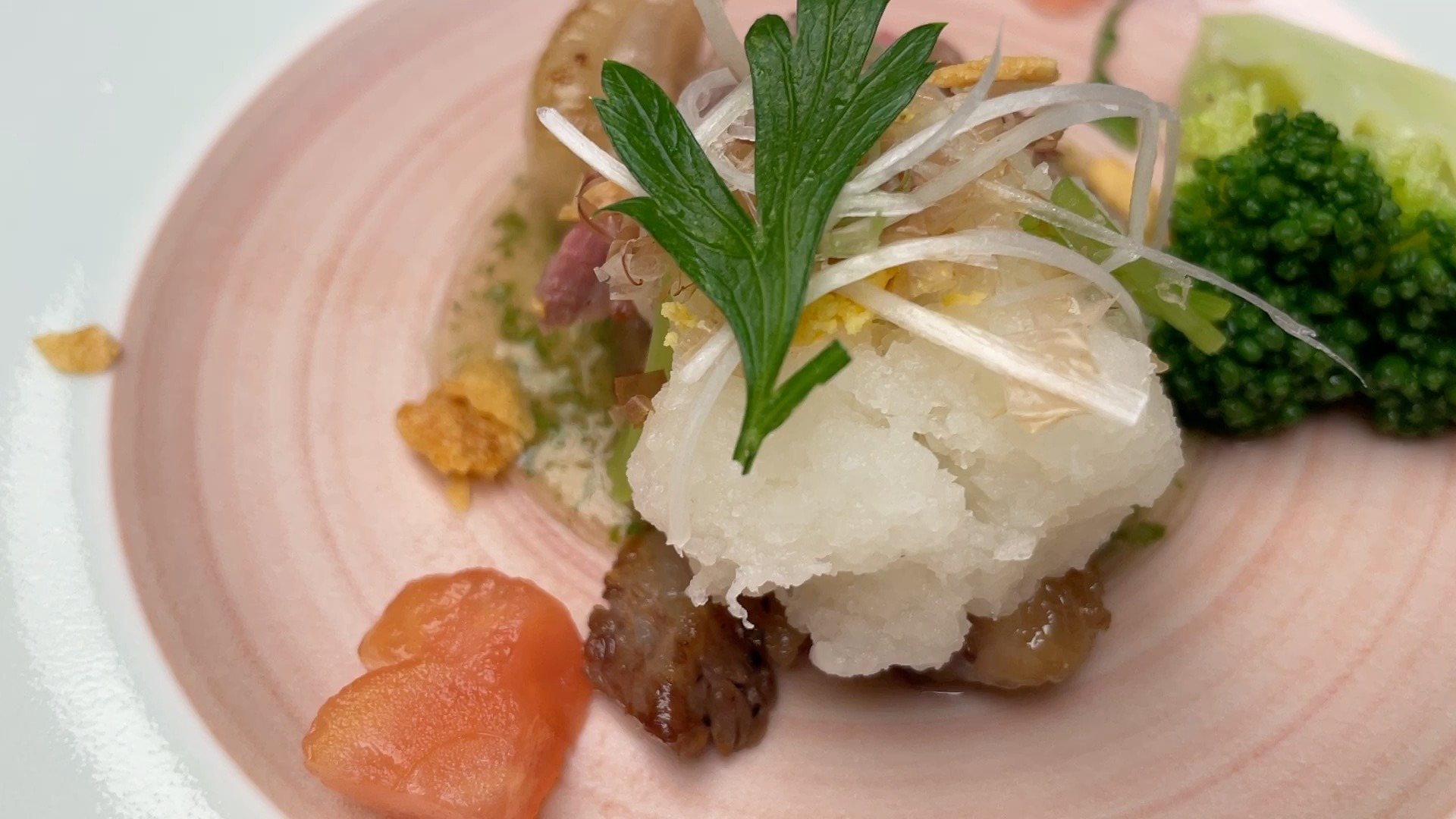
Then, a steak of Japanese beef. After such a delicious run of fish dishes, a meat course too: a lavish and indulgent line-up. The house recommends a tosa-zu sauce (a dashi-enriched vinegar dressing) made with cucumber. We could see the care and the idea behind it, and it was not bad, but we could not help feeling the beef could be enjoyed just as well with another sauce, or simply with salt and pepper.
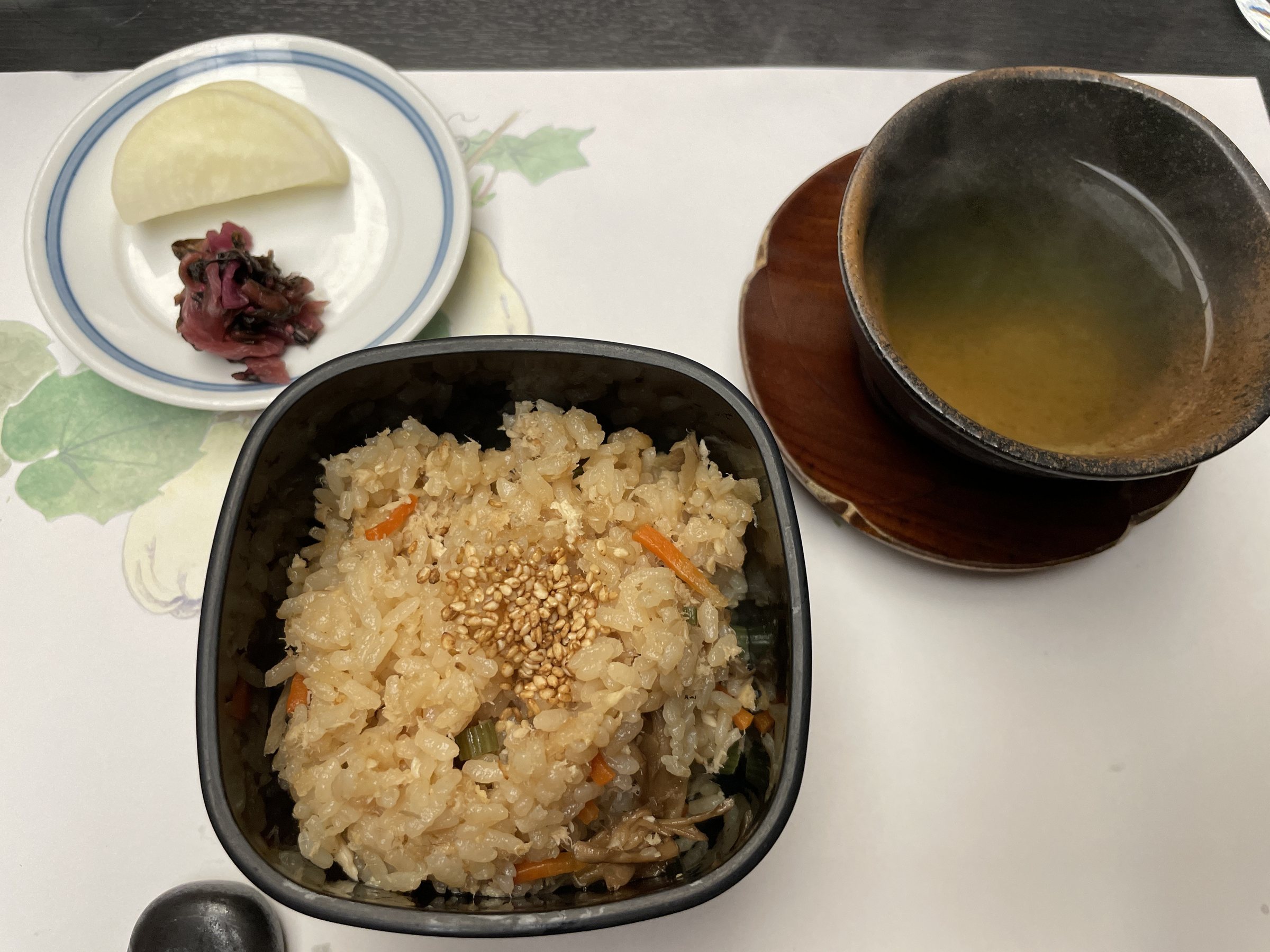
To round off this very satisfying meal, the rice: gomoku gohan, rice cooked with mixed ingredients, here including grilled buri. We sensed the spirit of the head chef, who is also the owner, wanting us to enjoy fish right to the very end. The rice is Koshihikari grown locally in Wakasa town. Whenever we come across local produce served locally like this, it warms our hearts and makes us want to support it.
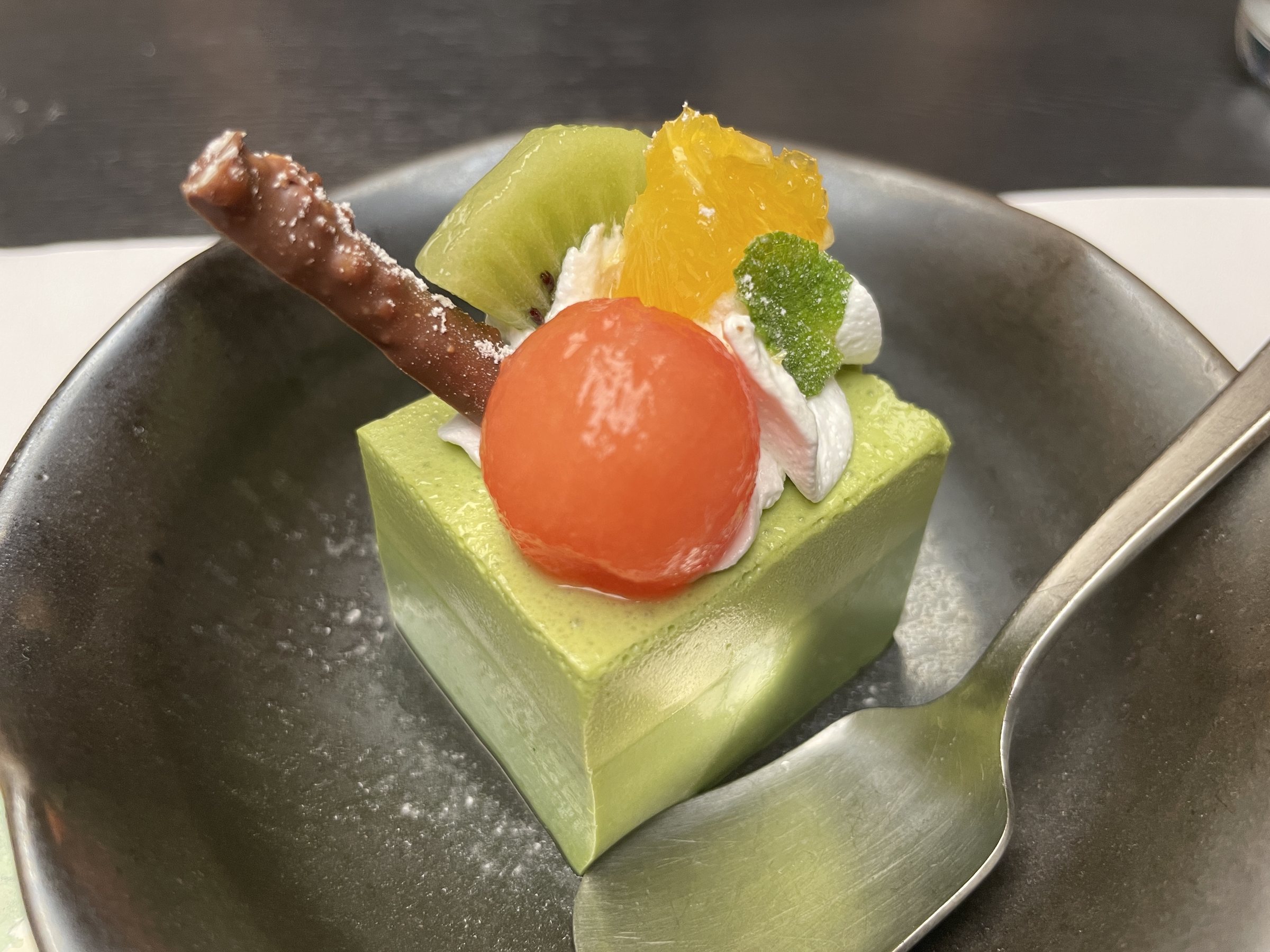
The matcha panna cotta was handmade. The fruit was refreshing, and the smooth texture, with the sweetness of matcha rising to the nose, left us thoroughly satisfied.
Breakfast in the room
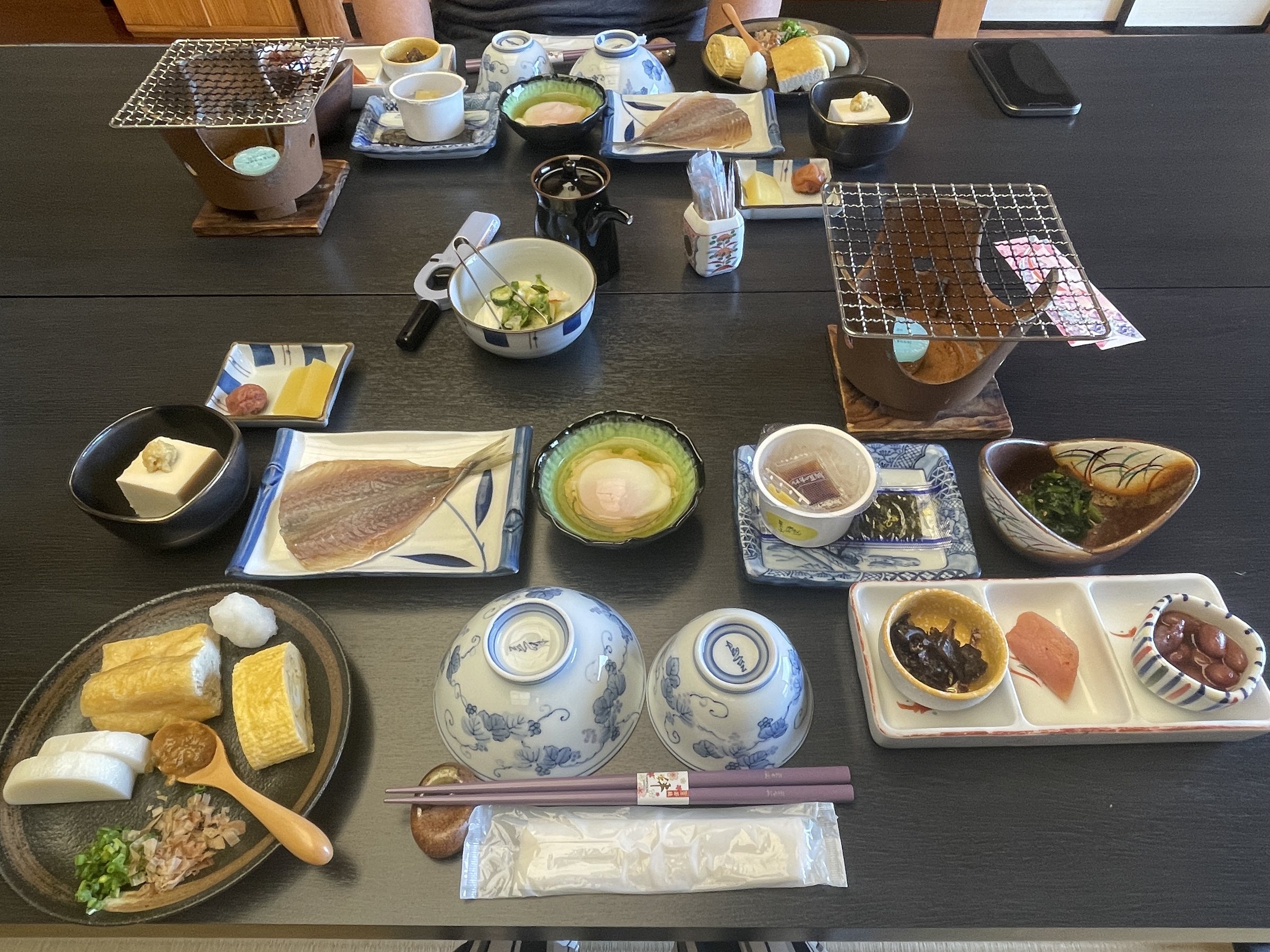
Perhaps it was the comfortable humidity of the lake, but we slept soundly. After an early-morning soak in the open-air bath and a breath of the morning sea breeze, breakfast was brought to our room. Being able to eat breakfast in the room is a luxury that nothing can replace.
Rolled omelet, dried fish and accompaniments for rice arrived one after another: the classic Japanese breakfast.
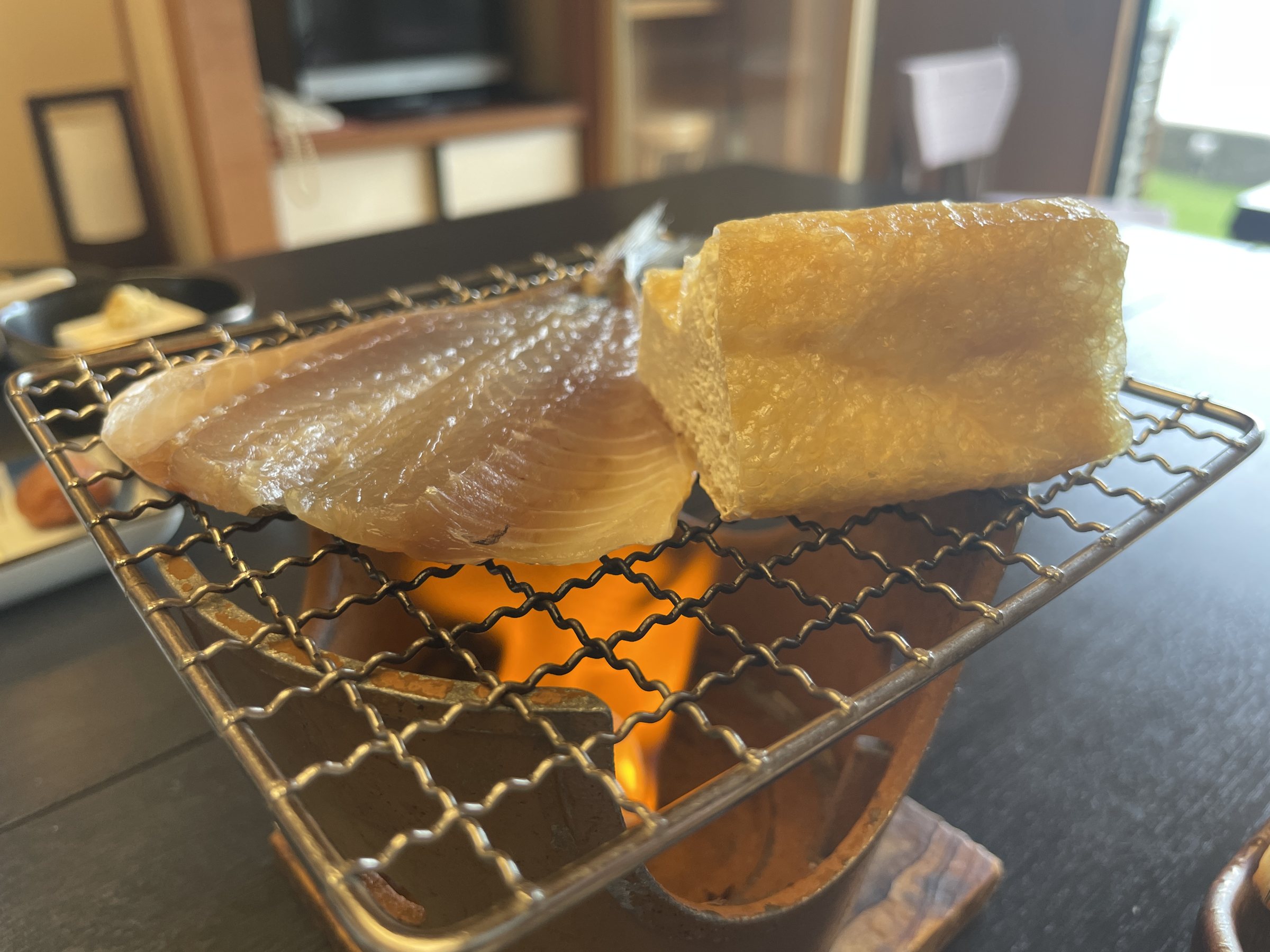
Grilled on the rack alongside the dried fish was age, fried tofu, a hidden speciality of Fukui. Remarkably, Fukui consumes more fried tofu than any other prefecture in Japan. Thick, fragrant fried tofu grilled over the flame, then a sizzle as the soy sauce goes on: that moment when the appetite builds is, surely, something uniquely Japanese.
Looking back
This is a ryokan run by a family, and their warm service and consideration made us happy. The owner, who is also the head chef, once took his own boat out to fish. The Mikata Five Lakes, also known as the Five-Colored Lakes, and the Sea of Japan they open on to provide ingredients in every season. This is a seaside ryokan from which to enjoy the great natural landscape celebrated in the Man’yōshū. In the season for the local specialities, fugu (pufferfish) and crab, we imagine it will be busier still.
This review reflects a visit in late summer 2023. Menus, baths and prices change; please confirm current details directly with the ryokan before visiting.