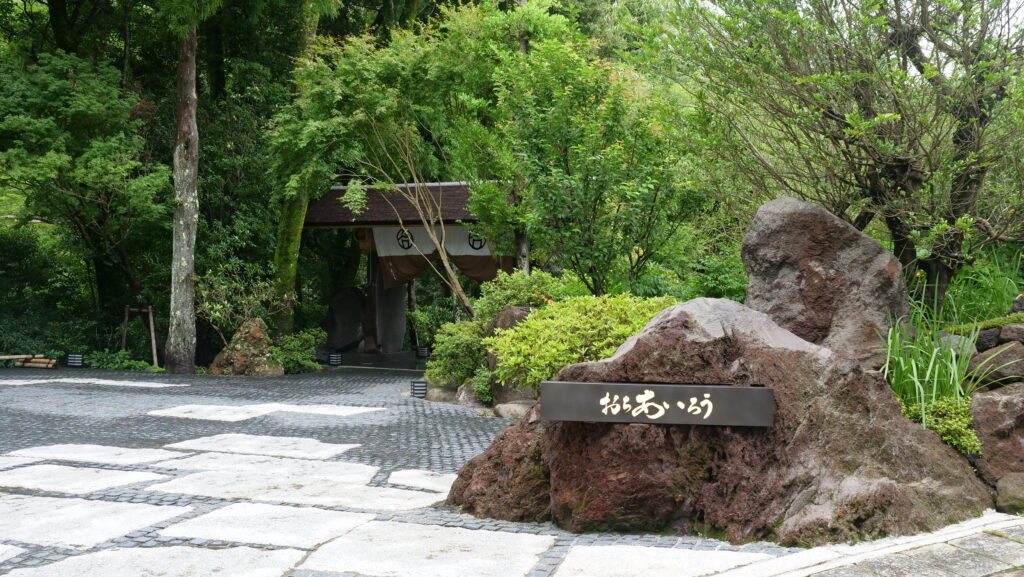
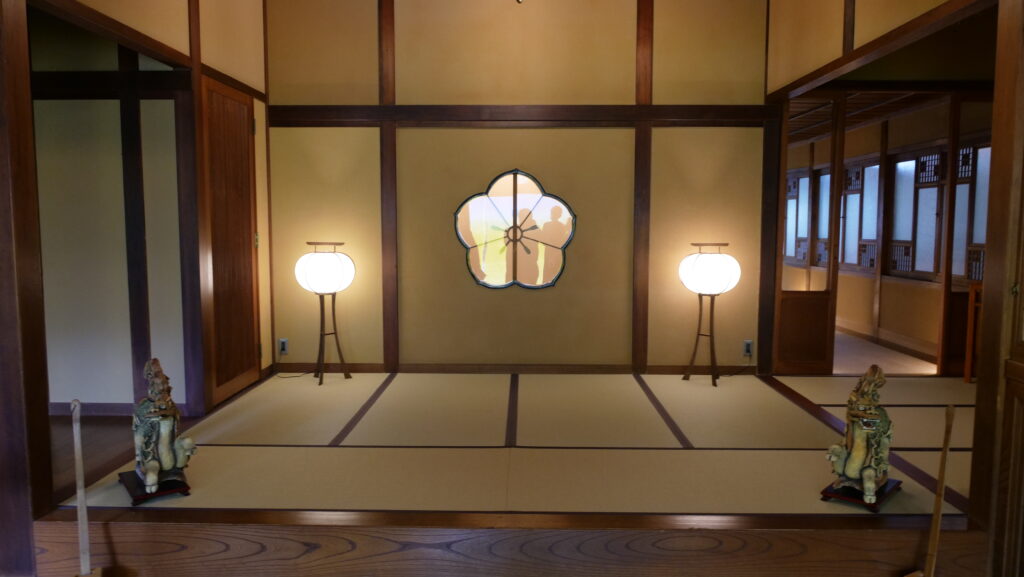
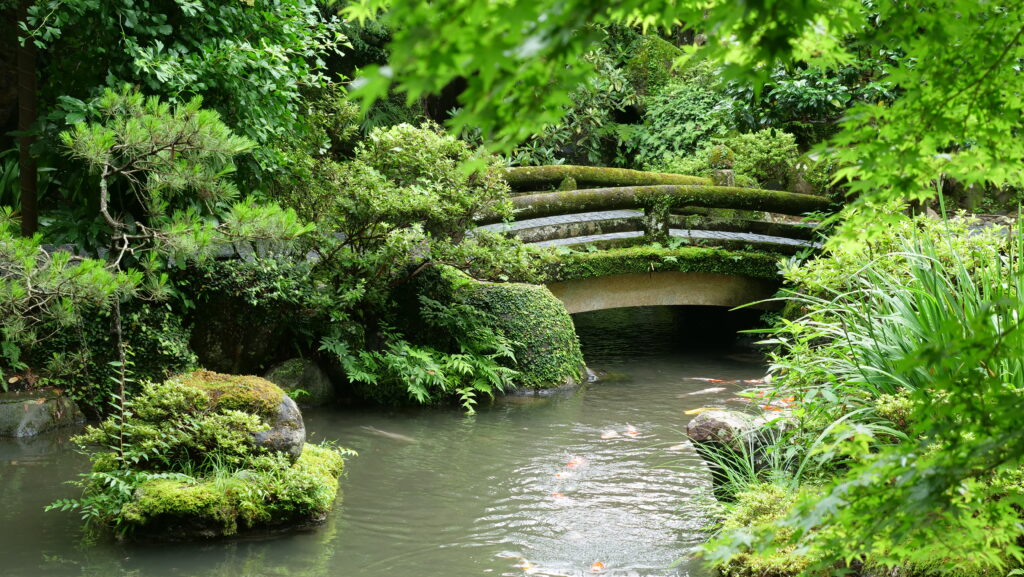
Ochiairou is a registered tangible cultural property, and its entrance has a solemn dignity that suits the word “wa”, the Japanese sense of harmony. The corridors, the courtyard and even the stair landings are built with a generous sense of space, and the ryokan blends natural beauty with modern design in a way that draws you in. At the entrance, greenery and water have been arranged into a garden, and on arrival we were struck by the grandeur of the building and the bold arrangement of its rocks. The banto (head clerk) greeted us with a warm smile and, while we took photographs, held the noren curtain open and waited patiently at a distance. The stay is all-inclusive, with the ryokan’s services covered by the room rate. (This review reflects a stay in October 2020.)
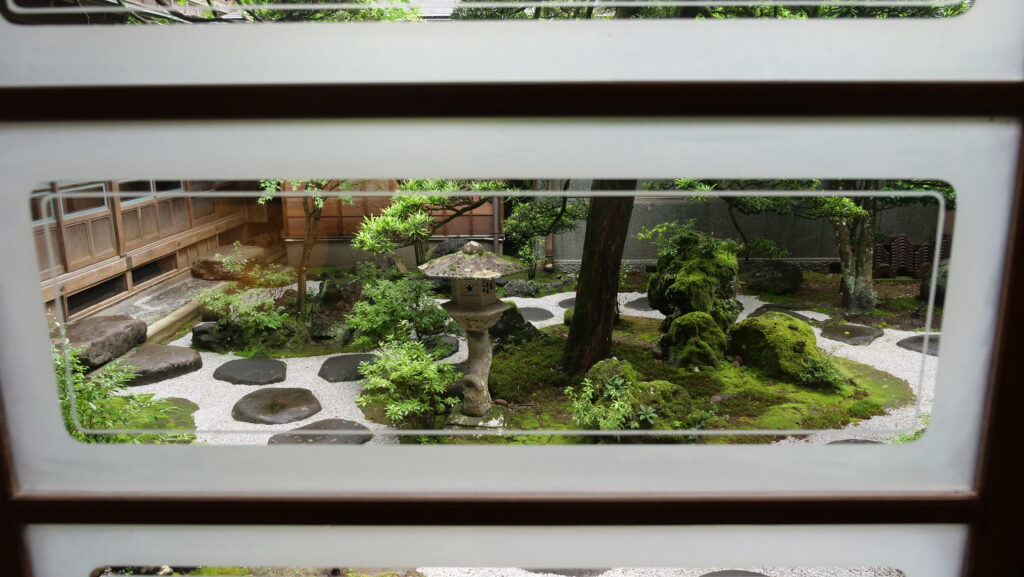
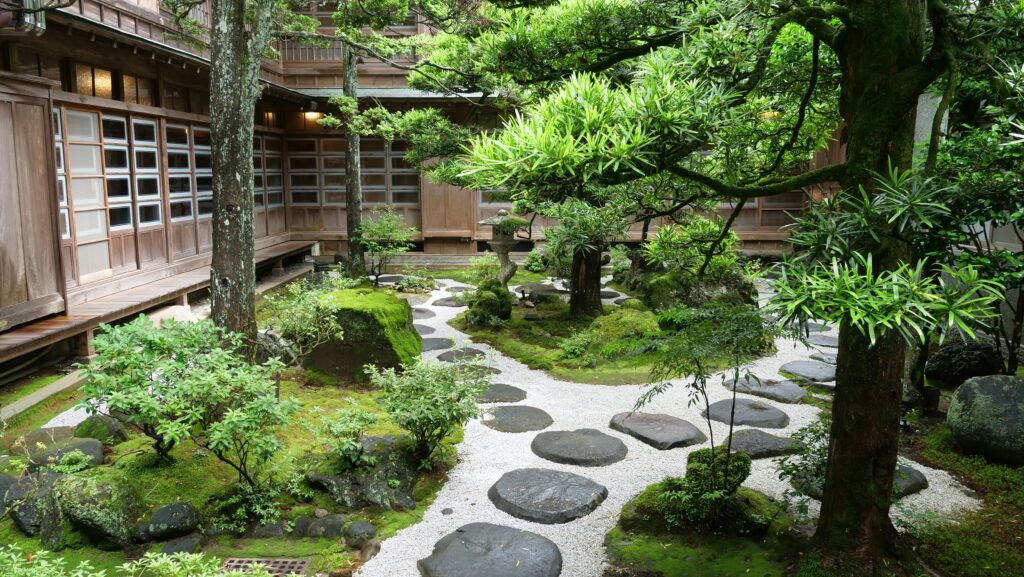
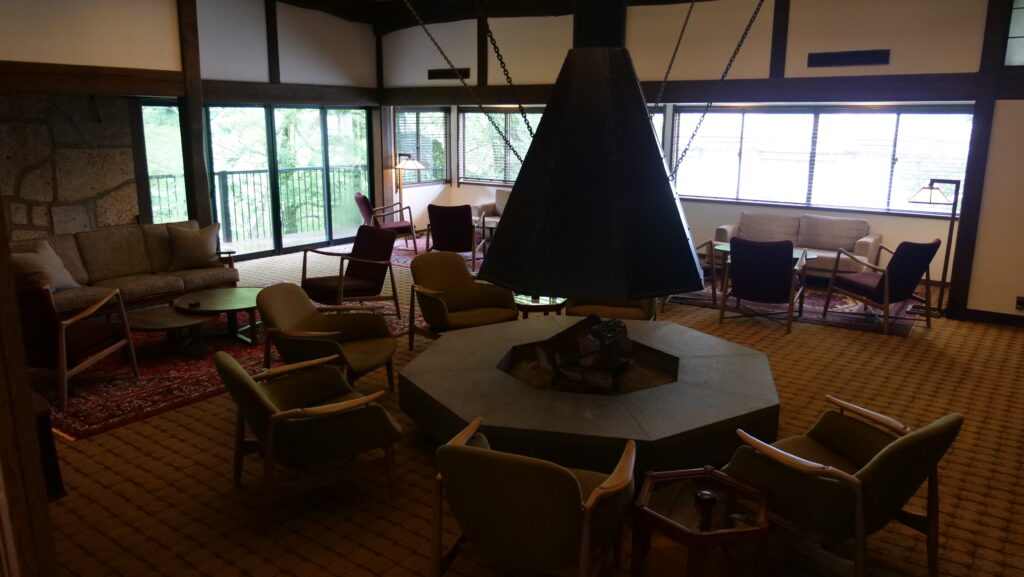
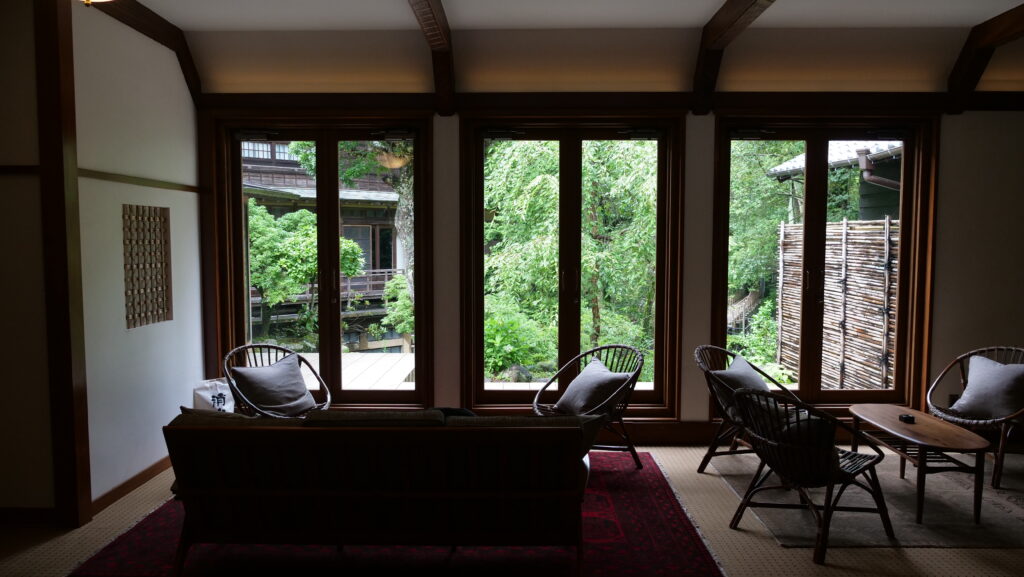
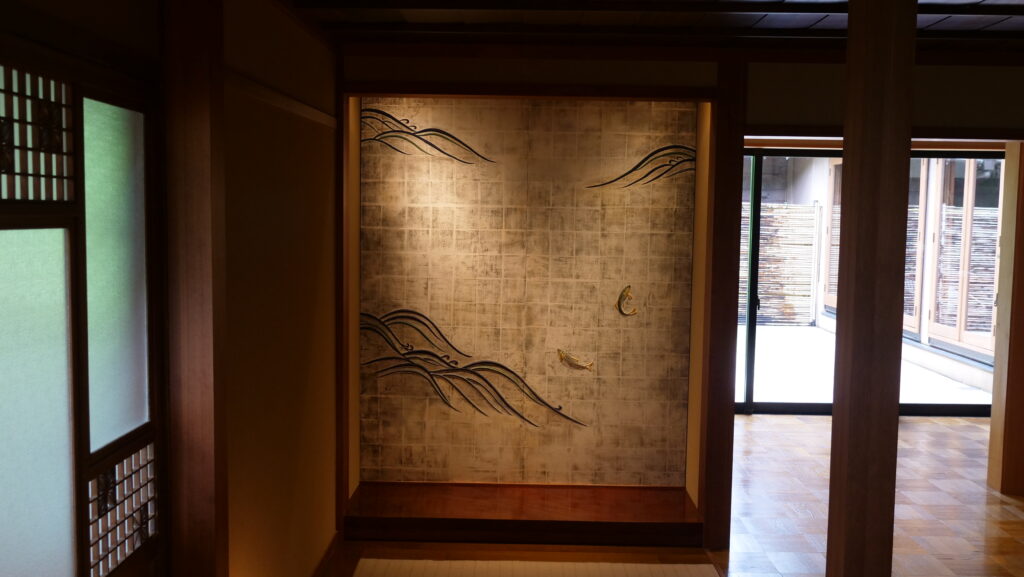
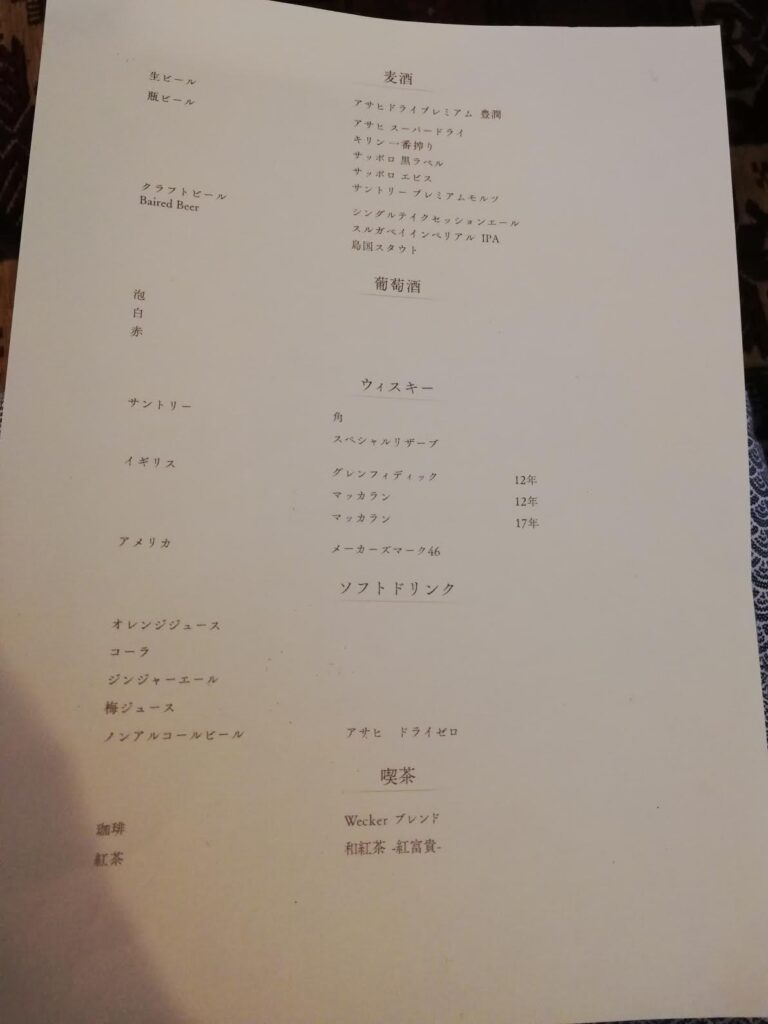
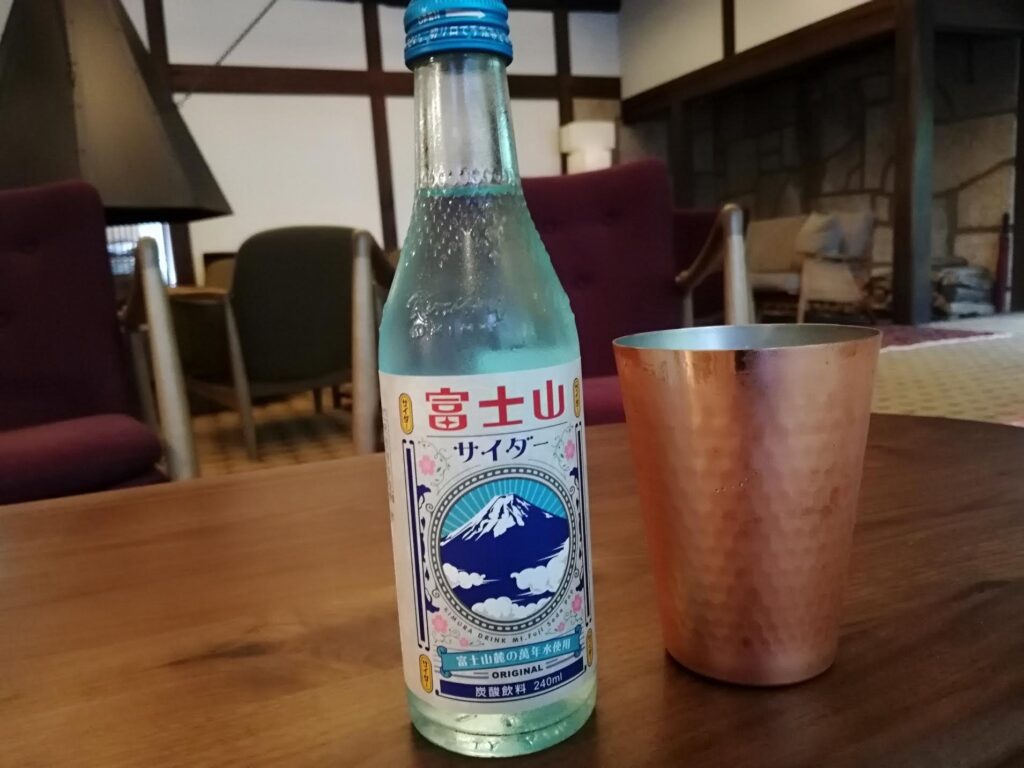
The view through the windows of Taisho-era glass has great charm, and the courtyard seen from the corridor to the rooms is something to envy. There are plenty of places to sit and rest, as well as a study and spaces displaying works of art, so simply exploring the building is a pleasure. Almost every service is included in the rate, and drinks, alcohol among them, can be enjoyed freely in the lounge at any time. On arrival we were handed cider in a chilled copper cup, and browsing the drinks menu, we sensed that this would be a stay to savor.
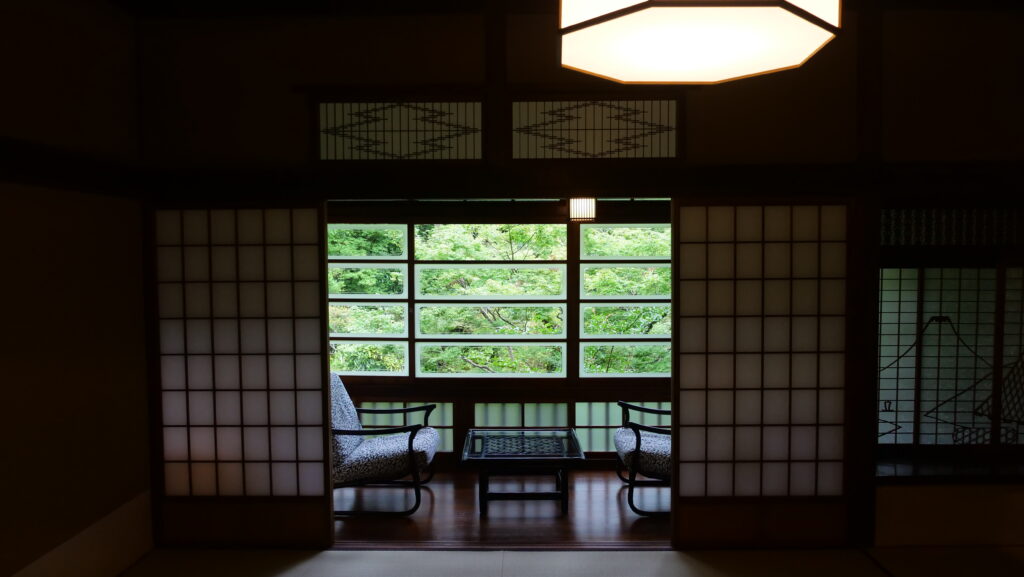
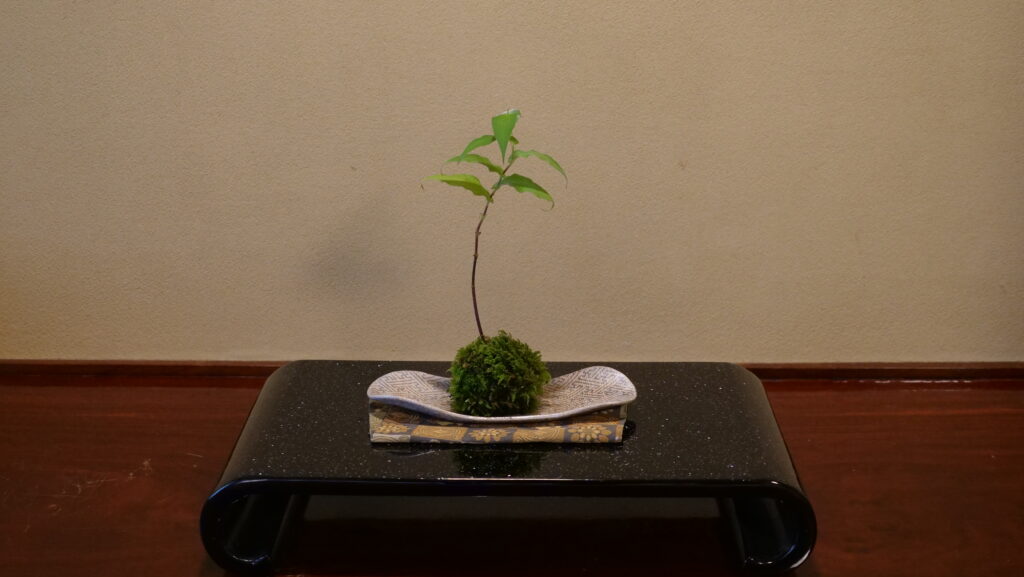
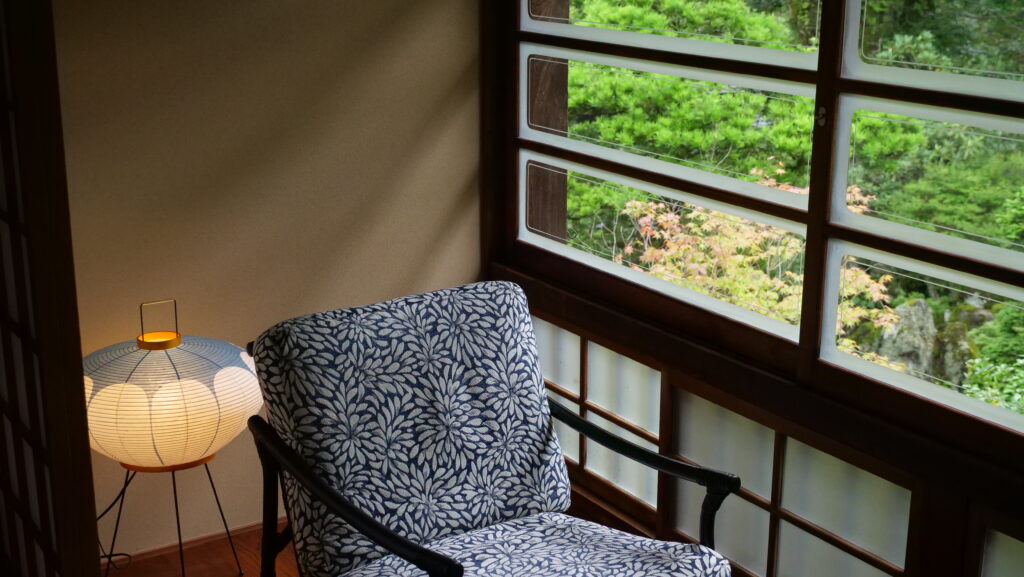
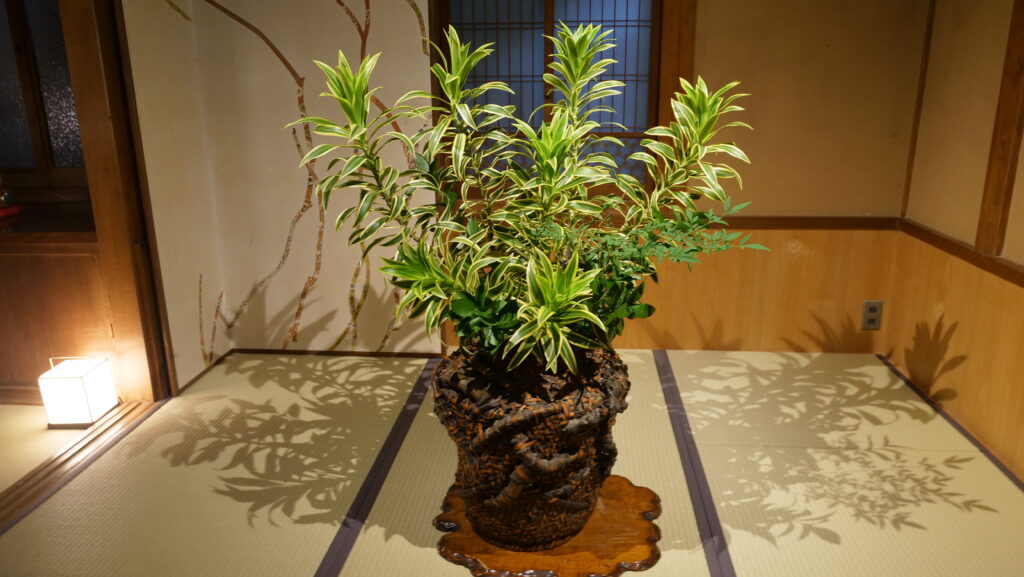
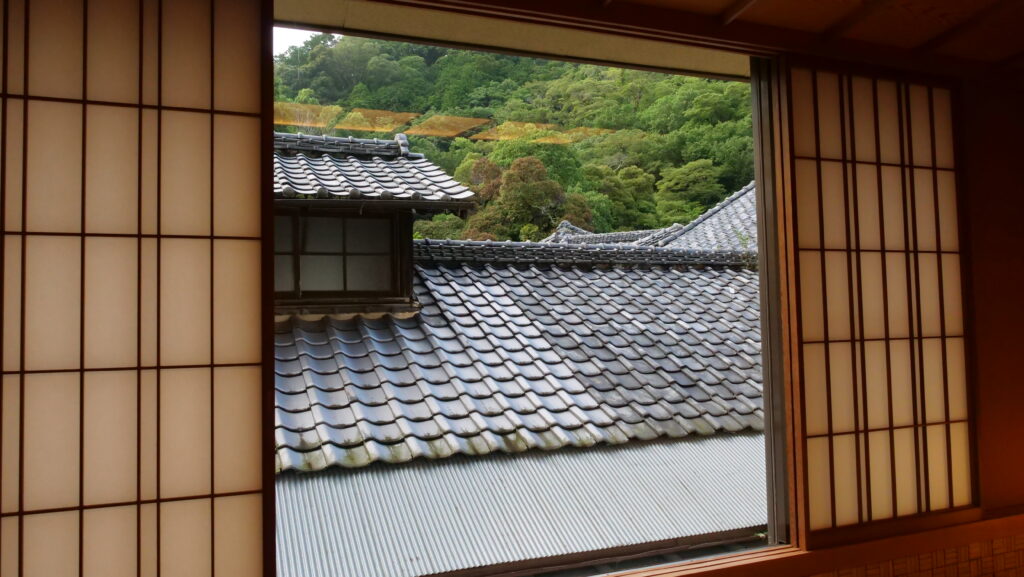
On entering the room, we were met by greenery so vivid it was almost dazzling through the window. The historic construction of the room is soothing, and the shoji screens, worked into decorative lattices, speak of the spirit of craftsmen of the past. All the drinks in the room are complimentary too. We did notice dust on the window sashes and the air-conditioner fan, but the toilet and the tea set had been polished until they gleamed. Even the toilet paper bears the ryokan’s logo.
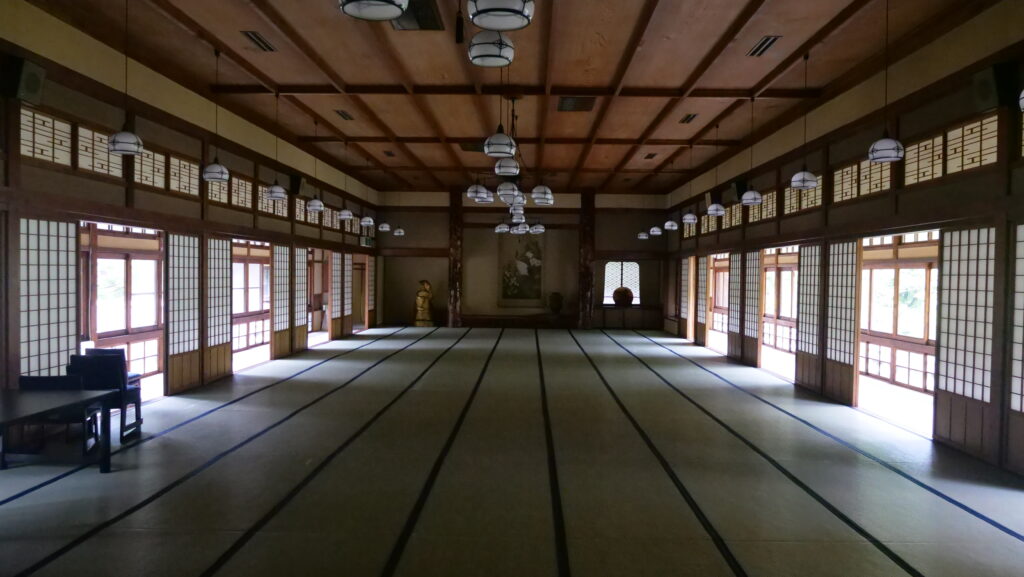
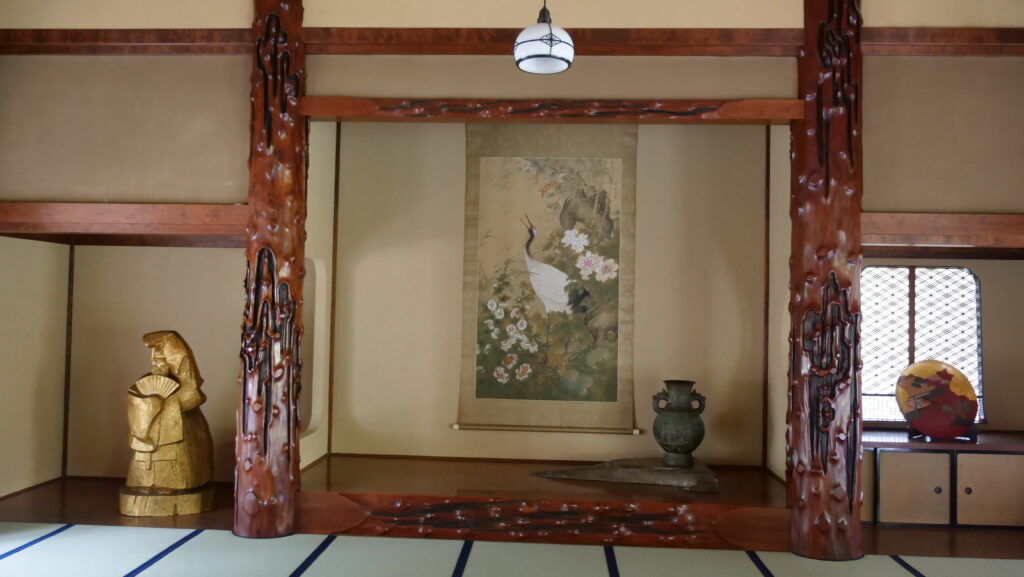
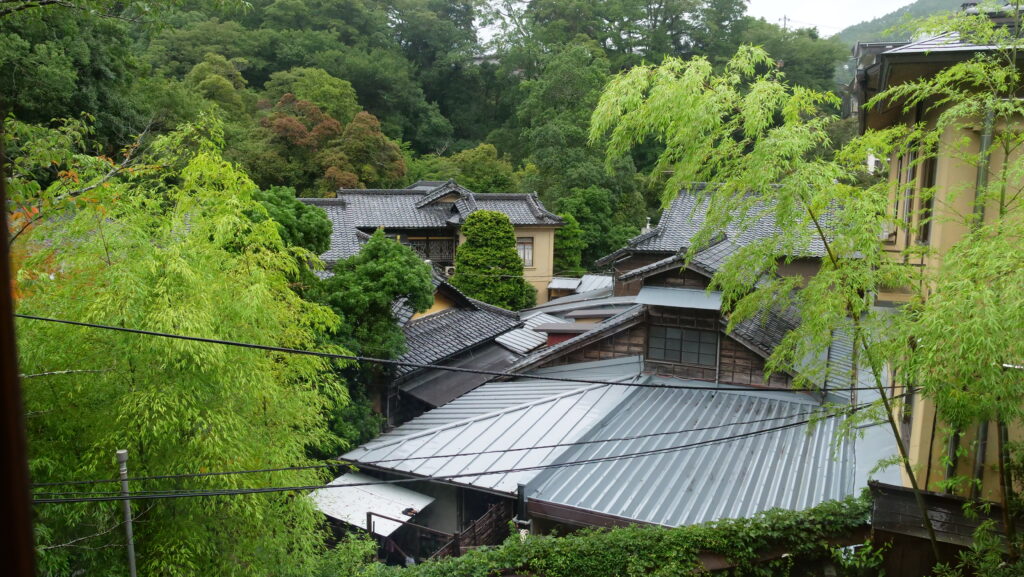
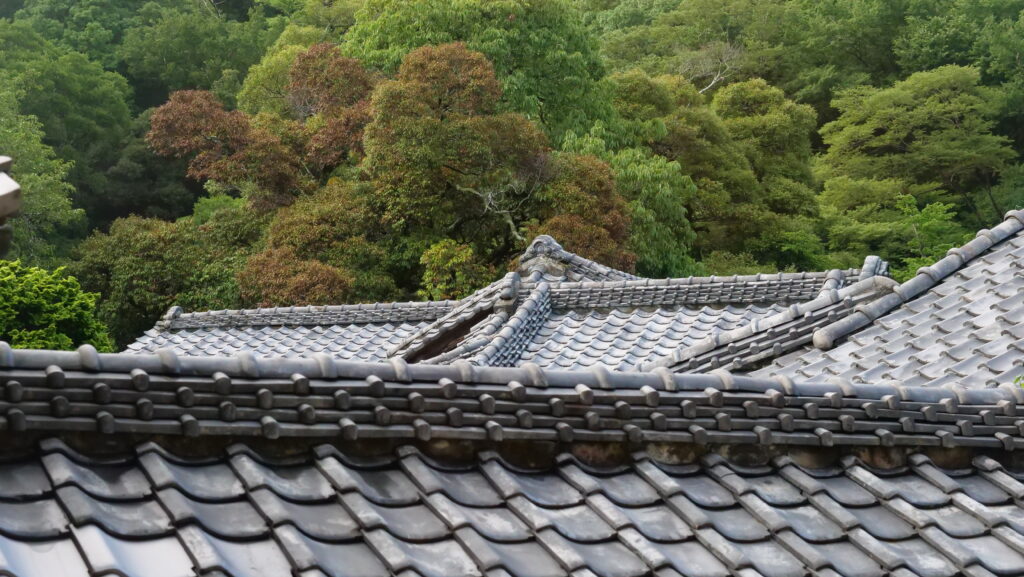
A little further on, we came across an imposing great hall, with a variety of furnishings on display, and enjoyed it as if visiting a museum. As we explored, we imagined how spectacular a large banquet held here must be. As befits a registered tangible cultural property, the building is full of character, and the contrast between the greenery and the old tiled roofs is beautiful.
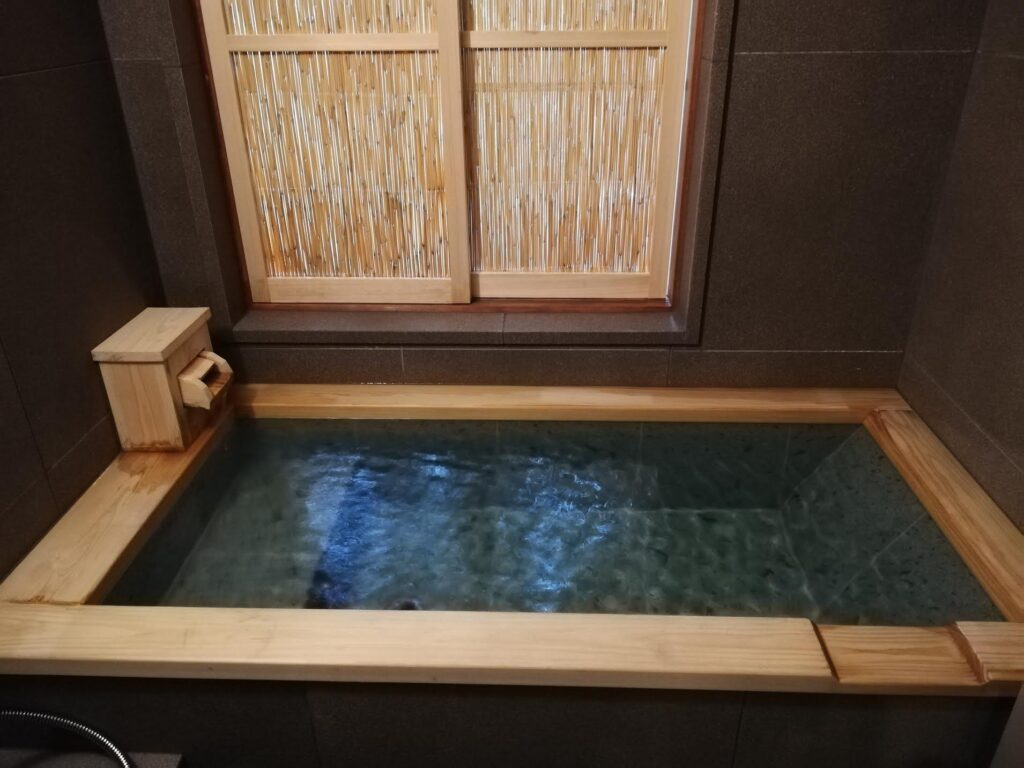
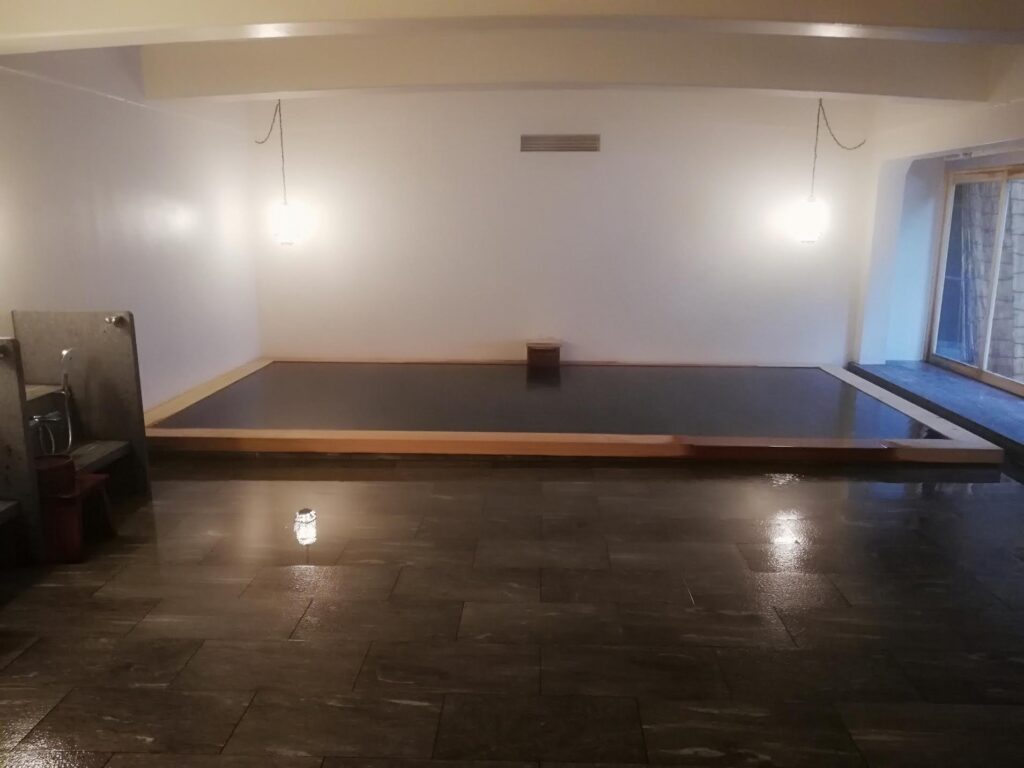
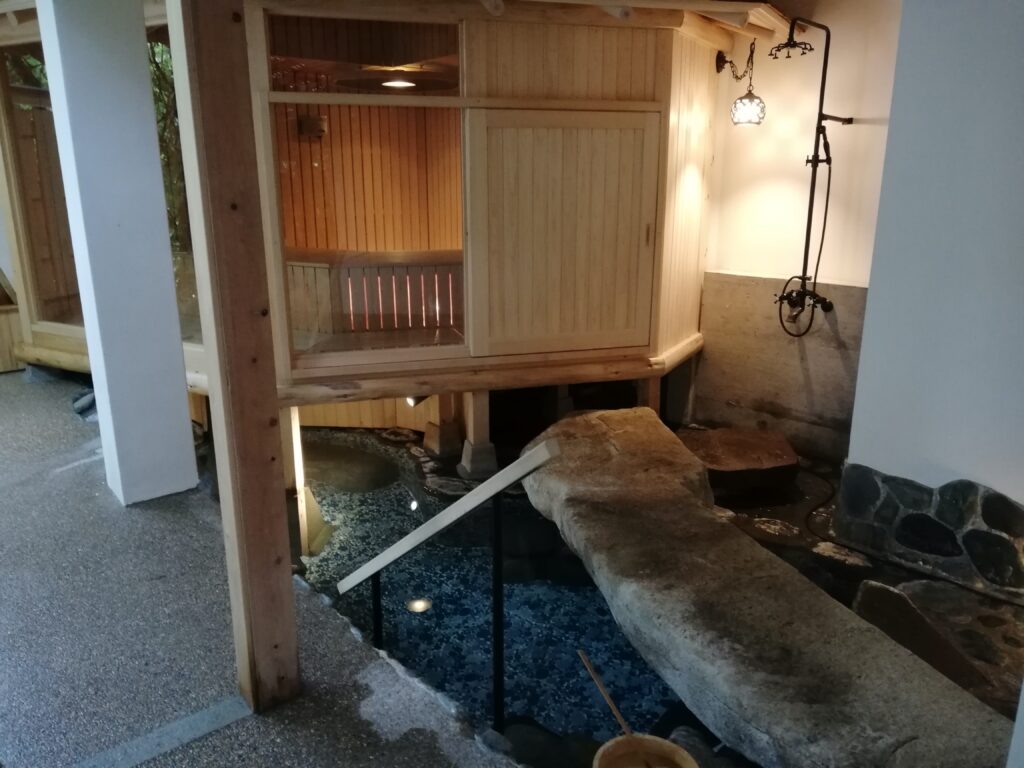
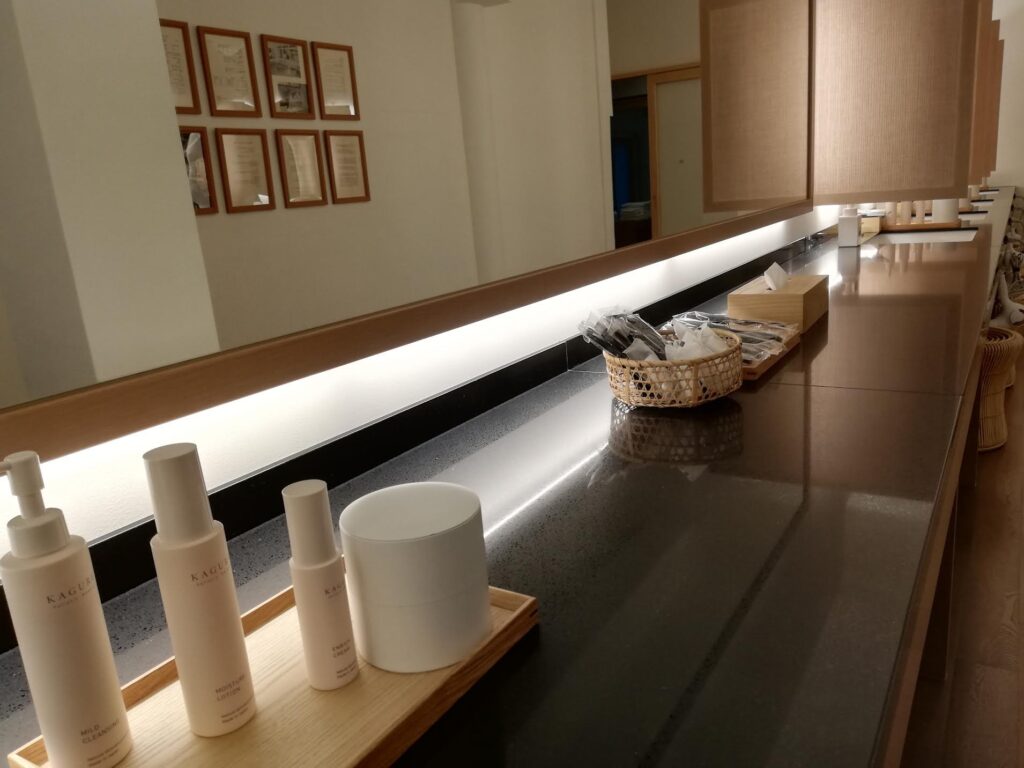
Then to the baths, which we had been looking forward to. The changing room was spotless, and we were surprised to find every amenity lined up in a perfectly straight row. After warming up in the spacious main bath, we moved on to the sauna that Ochiairou recommends, which that day was on the women’s side. The cold plunge pool is built like a garden pond, and a stone bridge leads across to the sauna, a small room designed by Dai Matsuo, a leading figure in the sauna world, with a tea-ceremony room as its motif. Being able to try self-löyly (ladling water onto the hot stones yourself) made for a memorable bathing session. (For photographs of the main bath, please see the official website.)


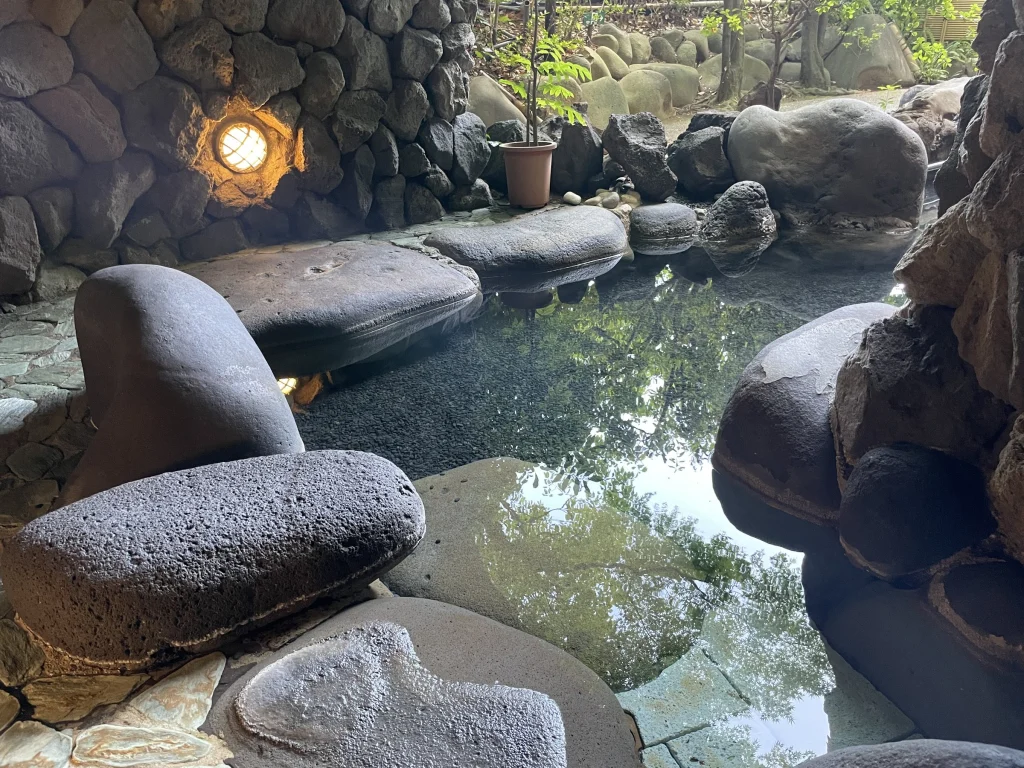
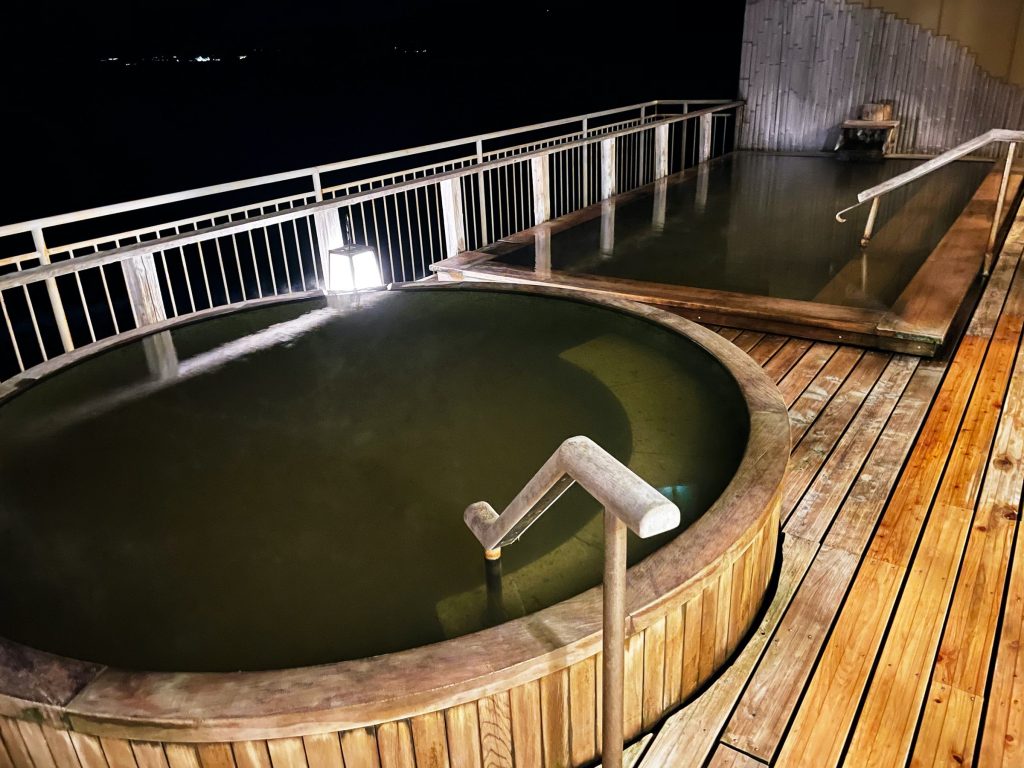
Step out of the main bath and you find a beer tap right away. The calm atmosphere of the bath in our room had us lingering far longer than intended, and there are also private open-air baths to reserve and large communal baths, including a cave bath, that alternate between men and women. After a bath, what one craves is ice cream. Meeting our room attendant by chance, we asked, knowing it was a long shot, “I don’t suppose we could have some ice cream?” “I’ll check with the kitchen,” she replied with a smile, and before long a hojicha (roasted green tea) ice cream arrived. We were grateful for hospitality that indulged even this whim.
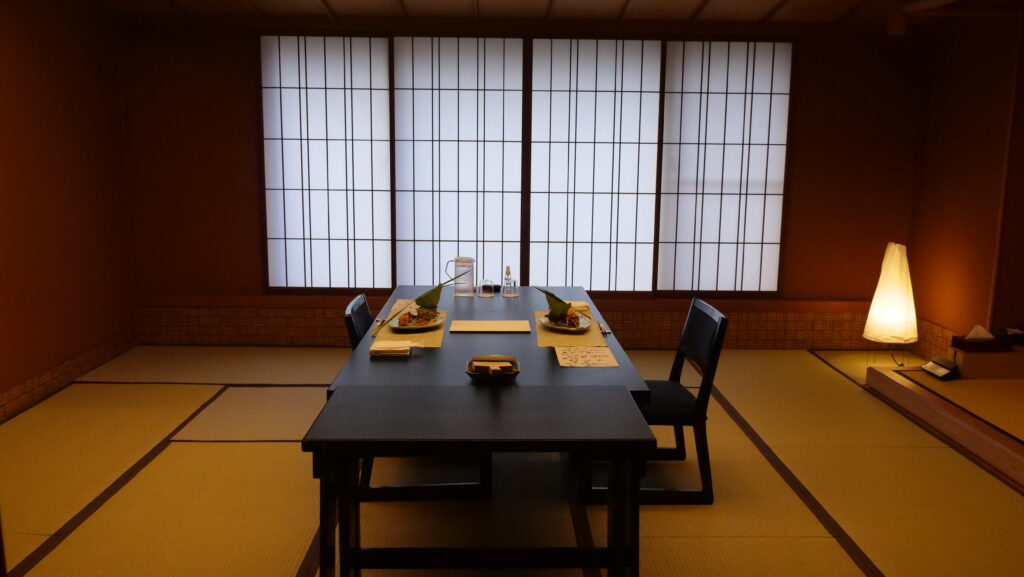
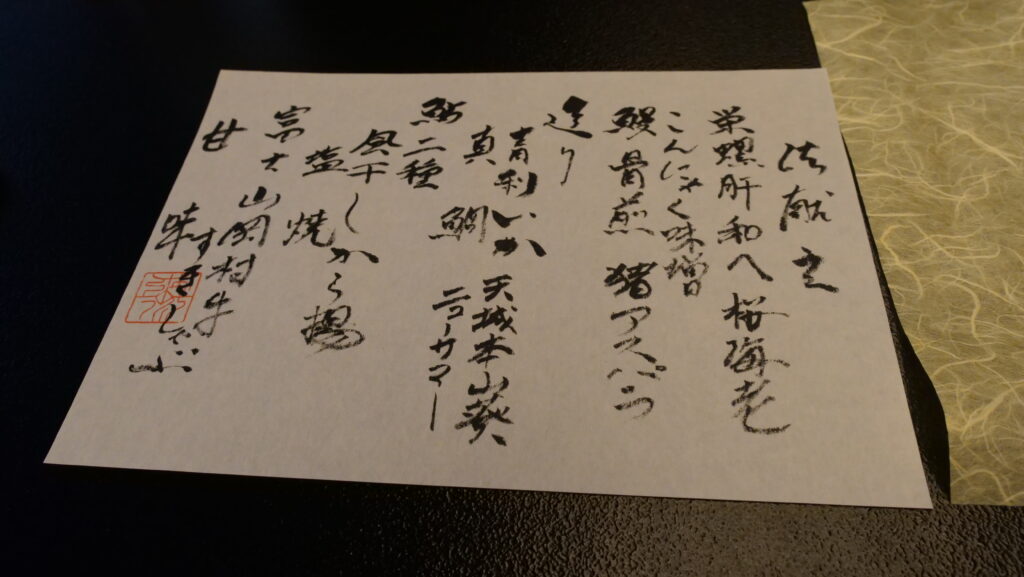
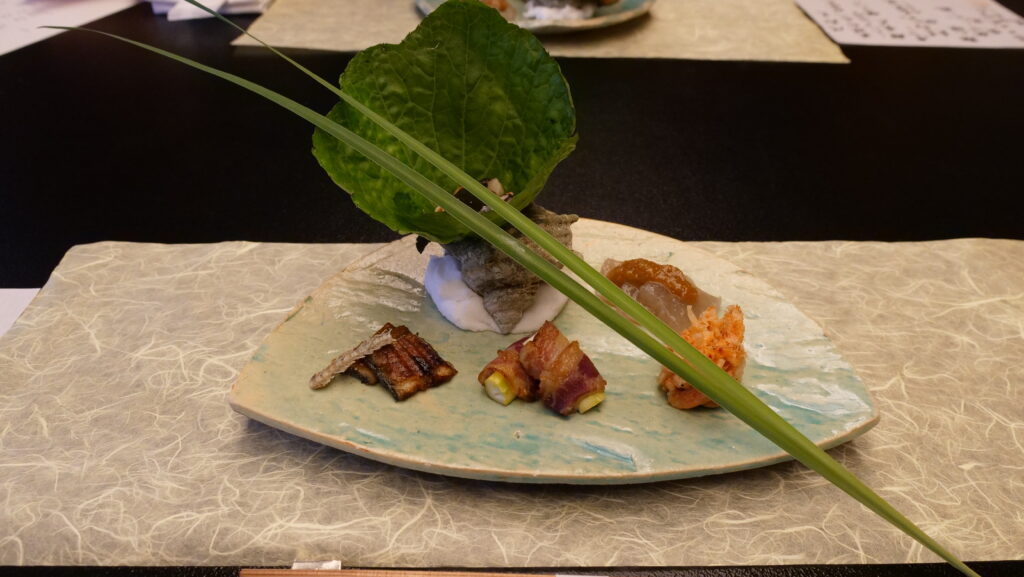
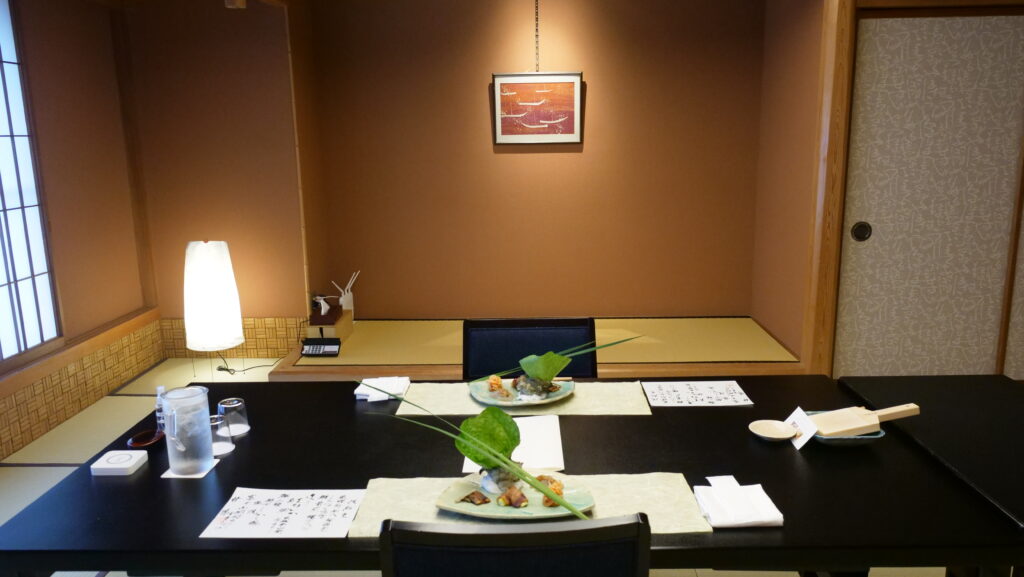
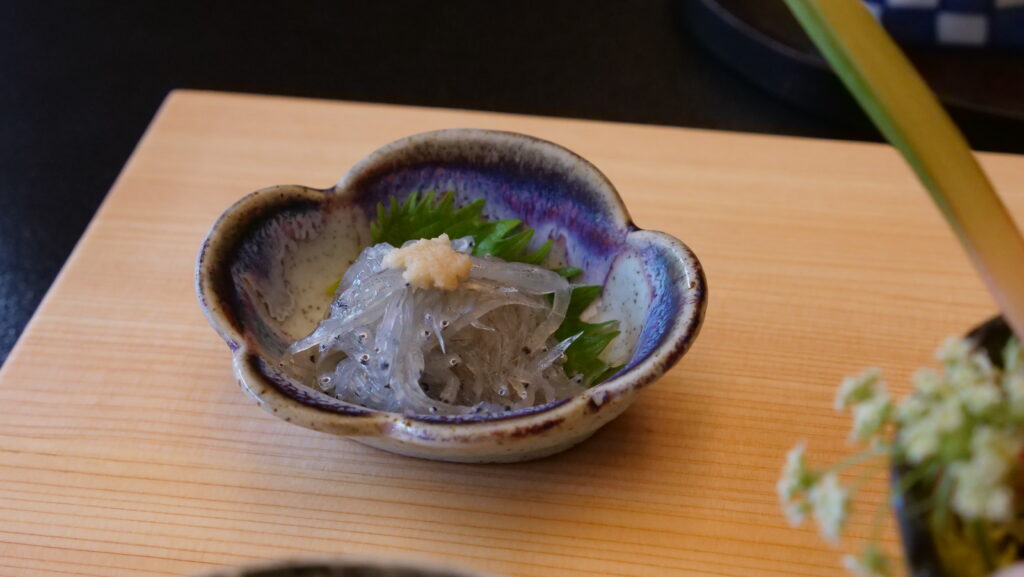
Dinner is served in a separate room, with well-judged lighting and a calm atmosphere, and the drinks here are complimentary too. The first course, the sakizuke, was a bite-sized dish that went nicely with sake. Judging by the menu, though, the line-up of courses was surprisingly short.
While we waited for the next dishes, the craftsmanship of the dining room kept us occupied: work resembling yosegi marquetry and the latticed shoji gave us plenty to talk about.
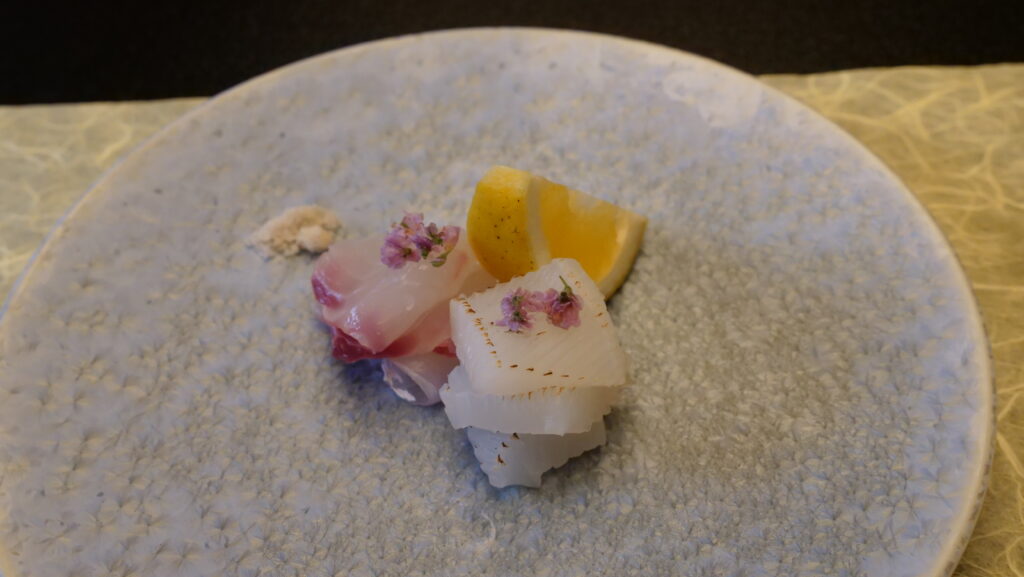
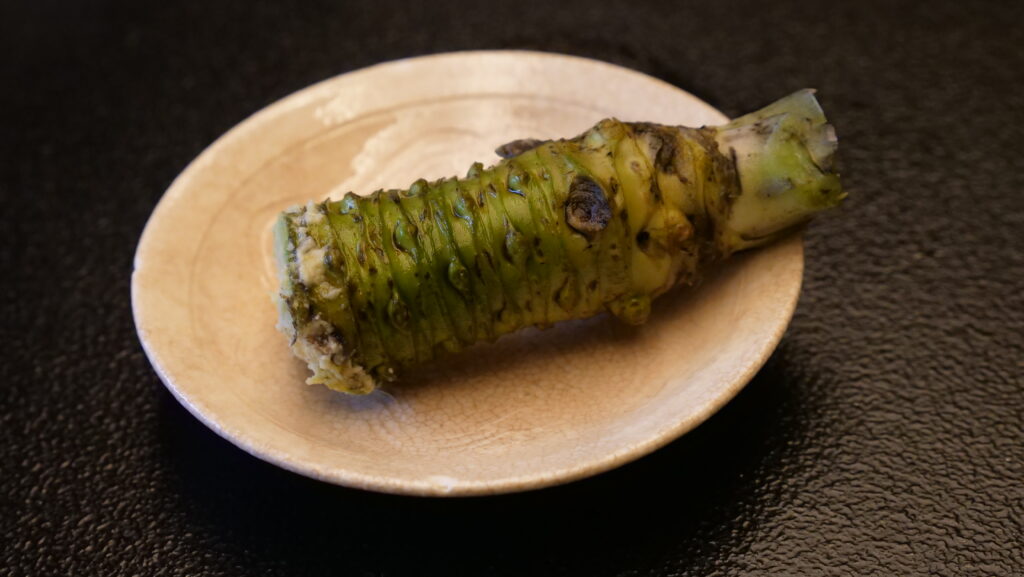
Sashimi, served with local wasabi.
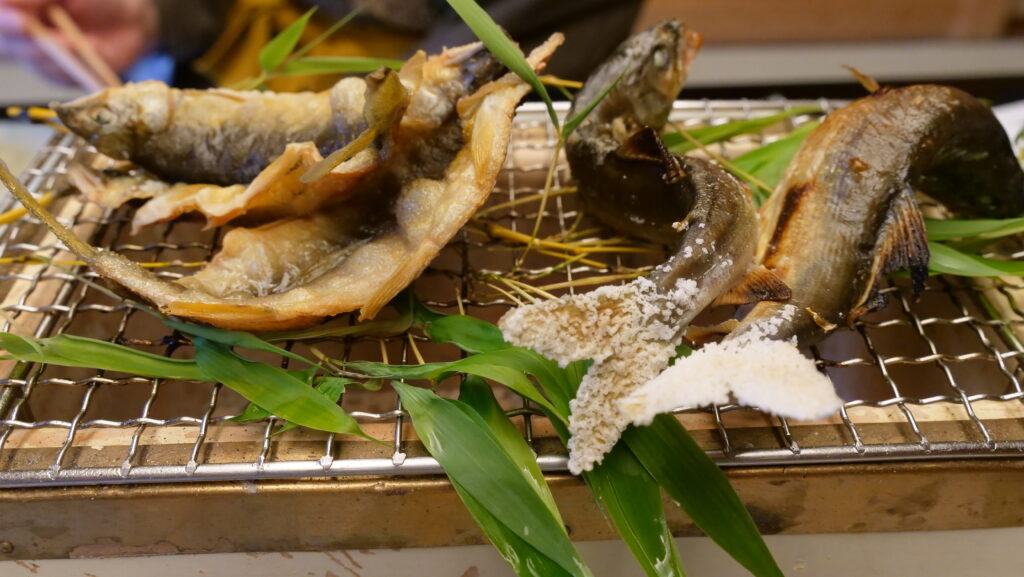
The wild ayu (sweetfish) was very sweet and full of flavor.
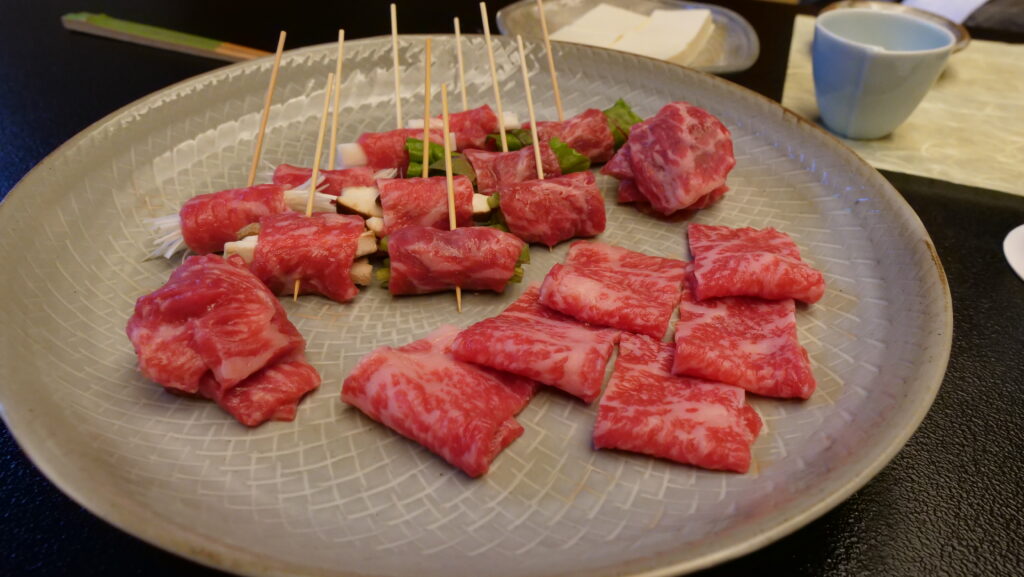
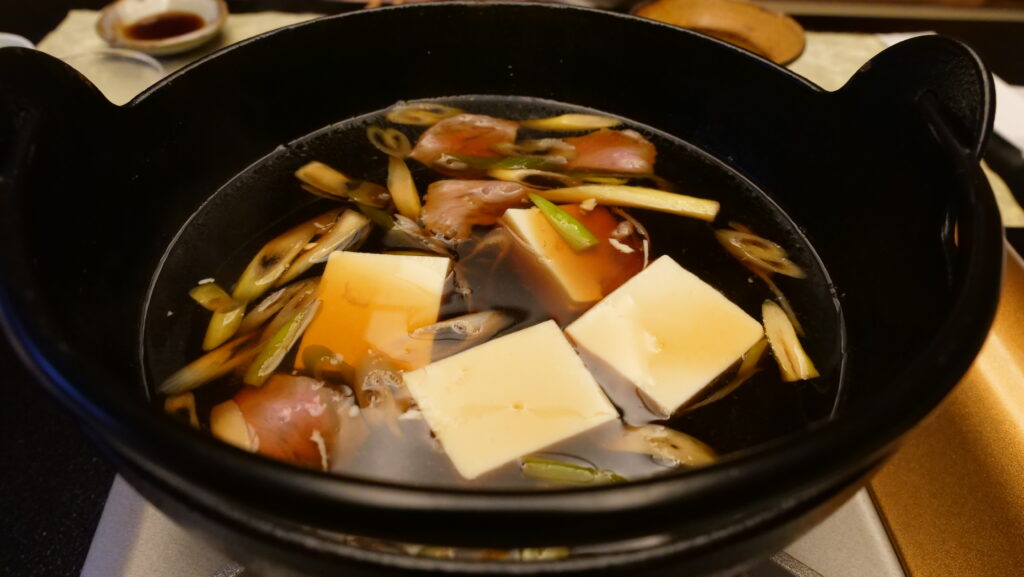
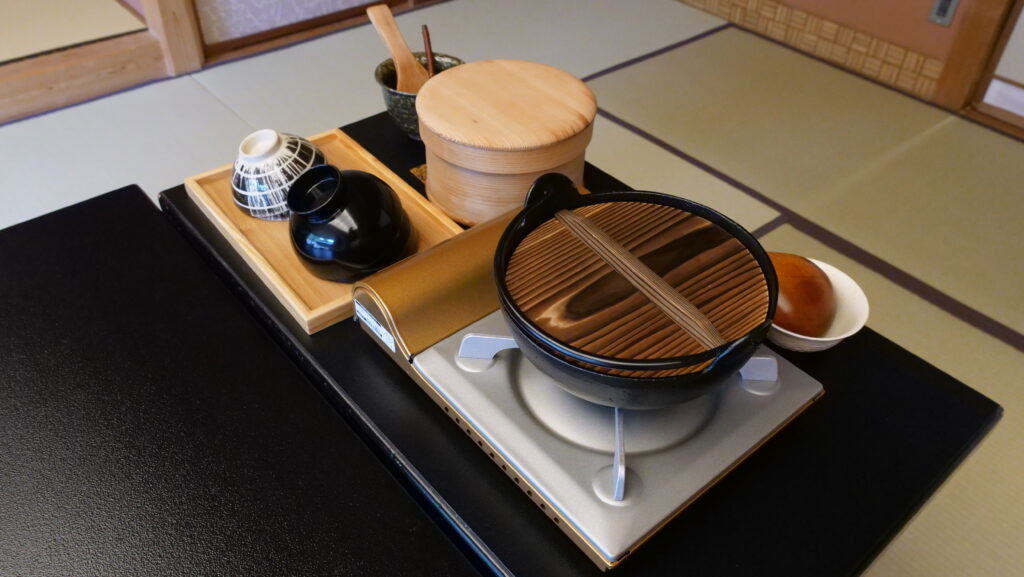
In no time at all, the main course arrived: sukiyaki. The pieces with vegetables tucked inside had a pleasing bite and were delicious.
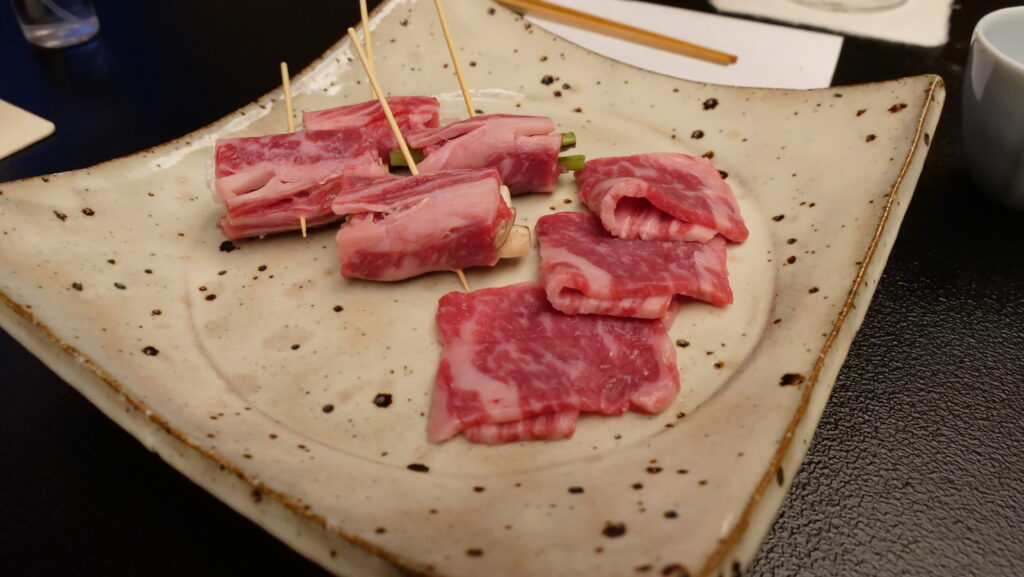
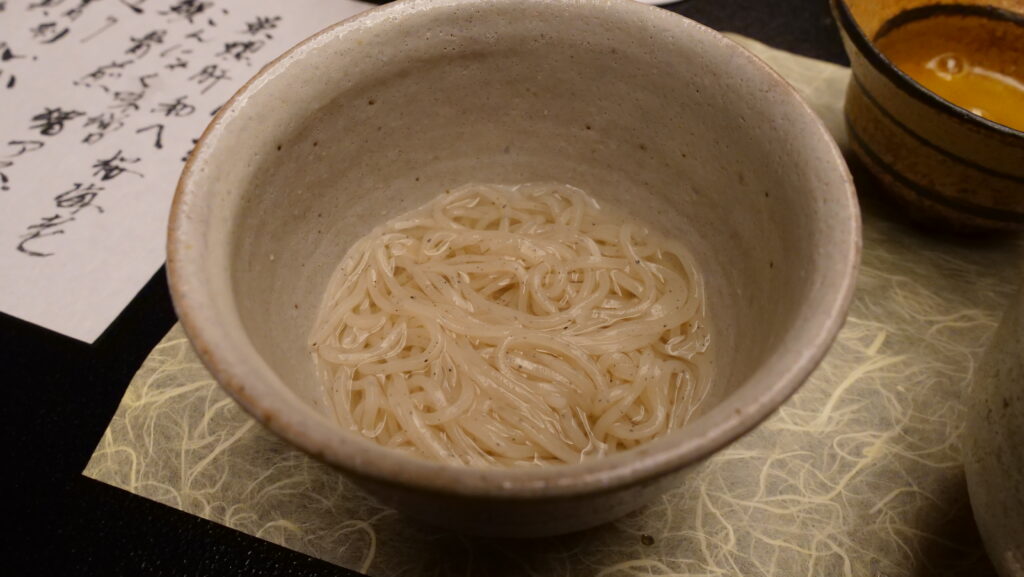
Still not full, greedy as we are, we asked for a second helping, and they obliged. Knowing full well we were unusual guests, we polished it off along with the shirataki noodles.
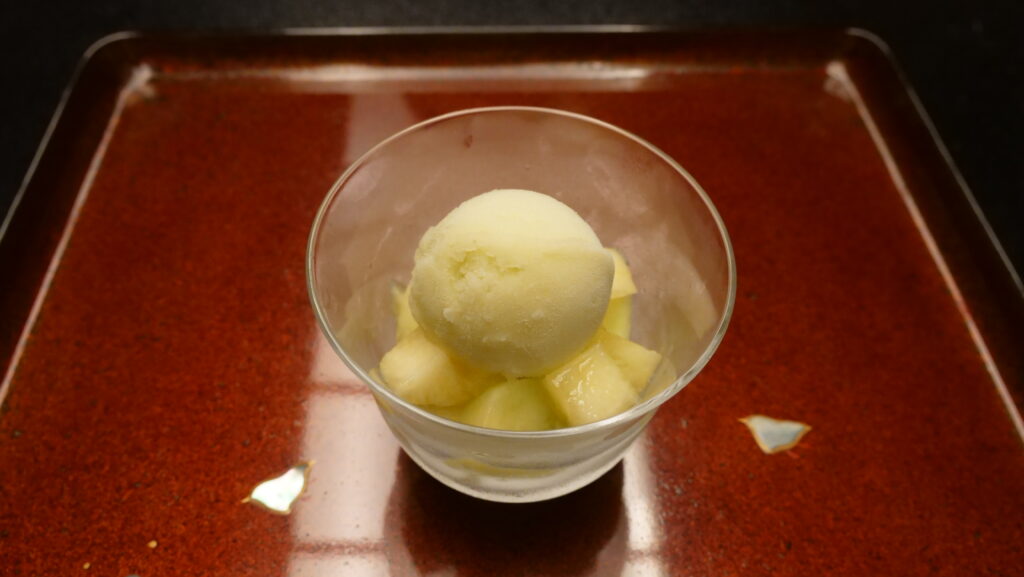
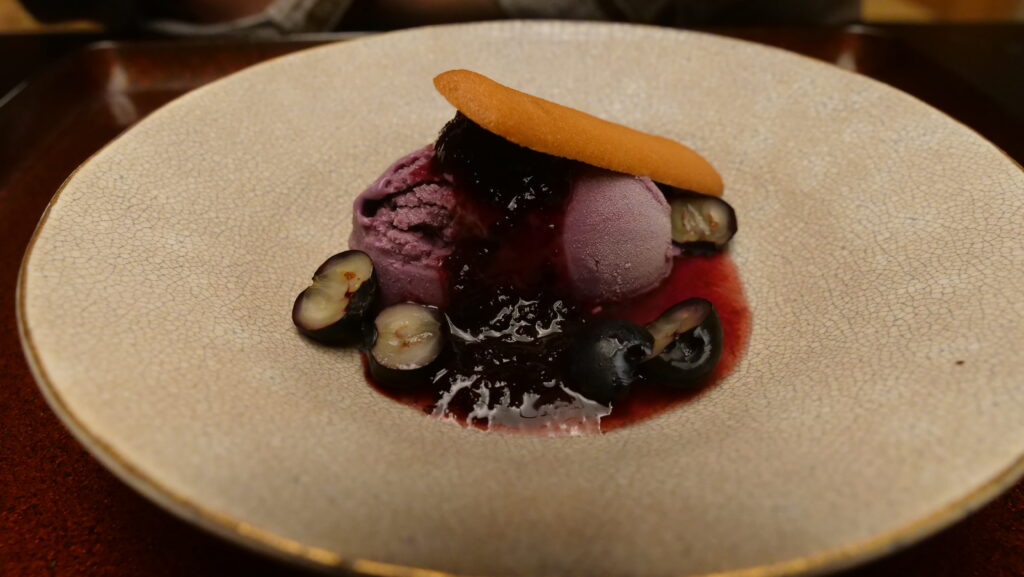
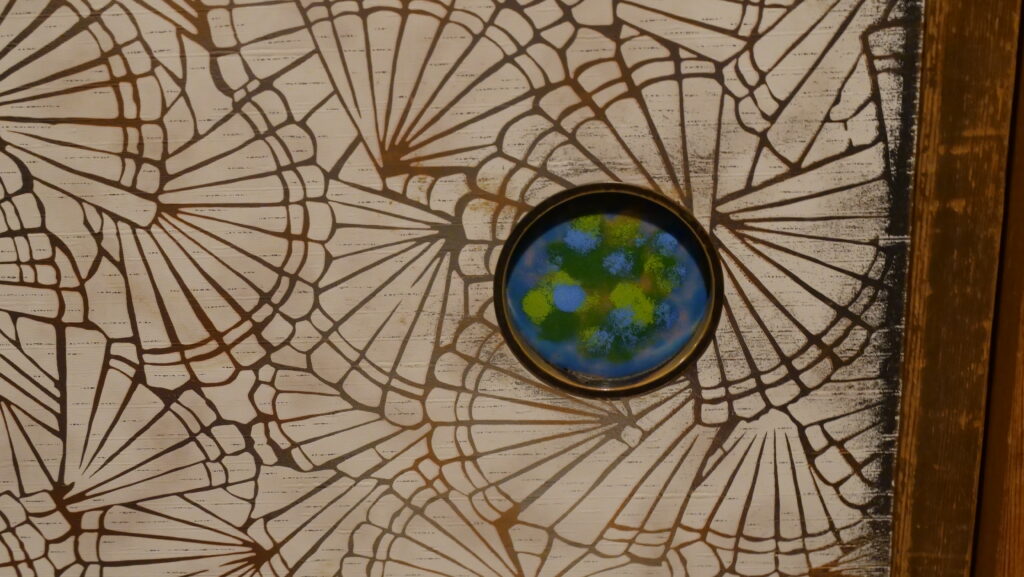
Over dessert, I turned my attention back to the design of the room. It is the kind of space where small discoveries make the heart leap.
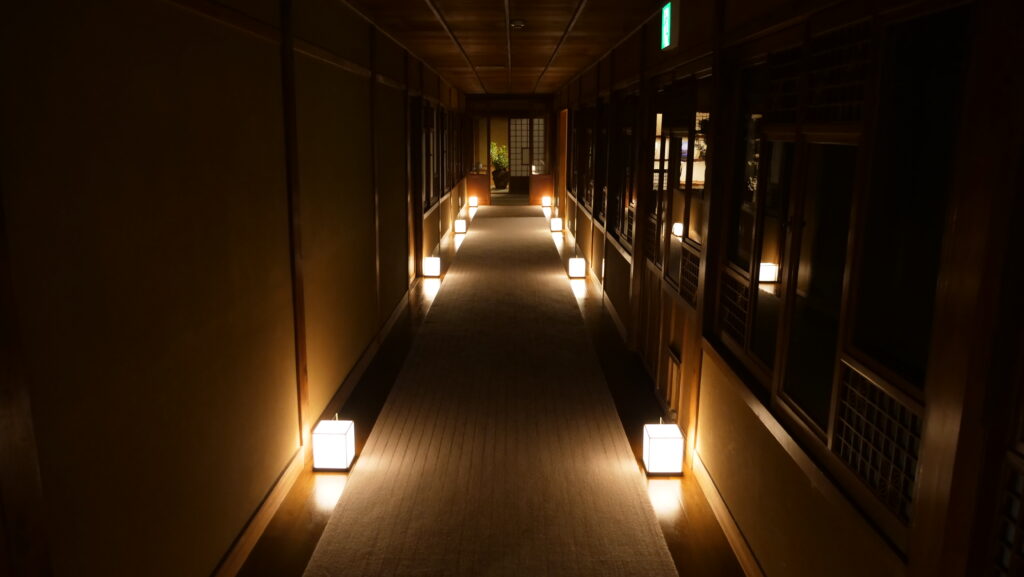
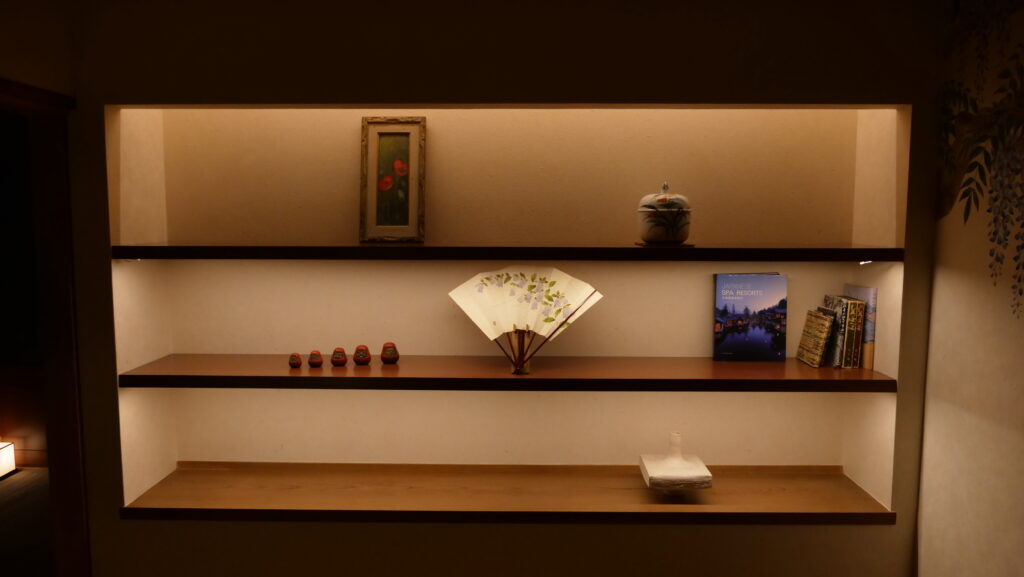
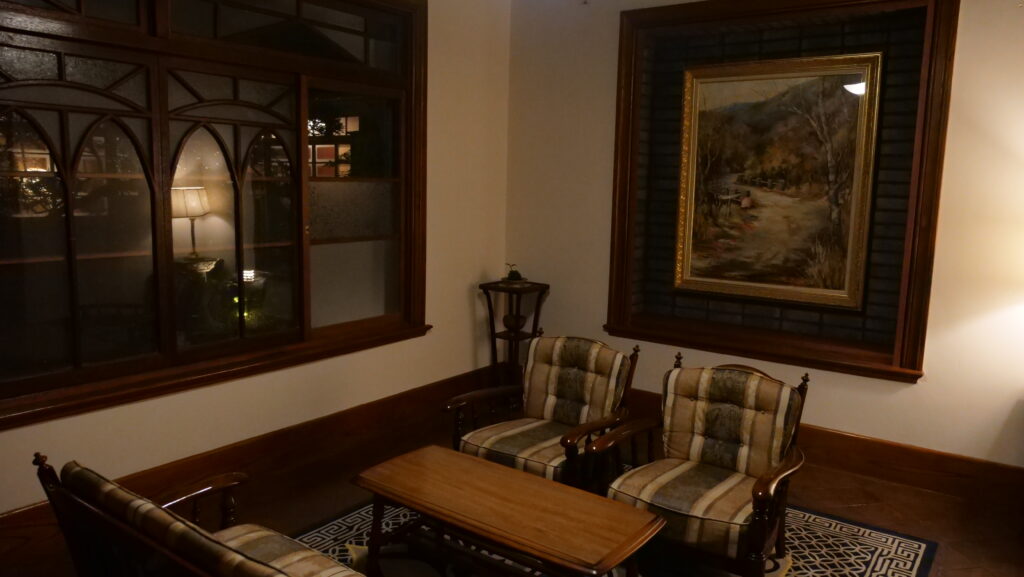
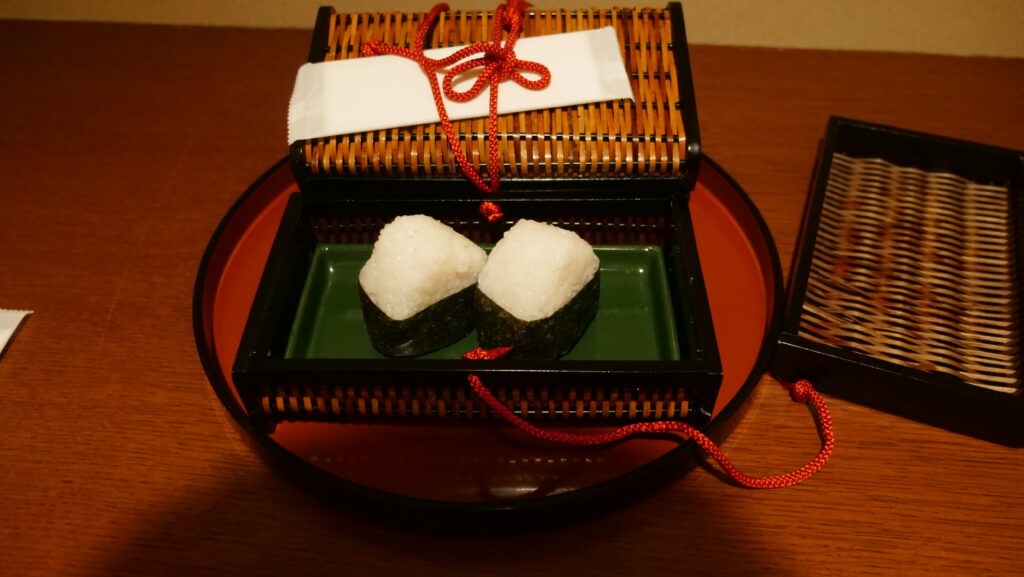
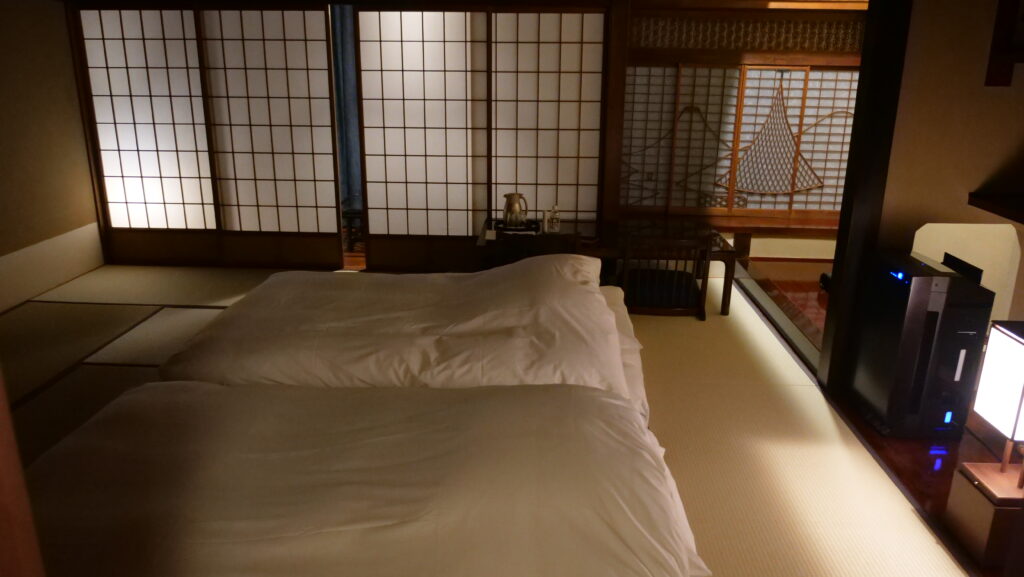
At night the building takes on even more character. After dinner, guests can stroll the surroundings, read in one of the many rooms, or chat over a drink: a playground for grown-ups. Besides the building we stayed in, several others nearby are also registered tangible cultural properties, and stepping outside to look at them is rewarding. Perhaps because there were few guests, we met no one at all, inside the building or out. Back in the room, a late-night snack had been delivered and the generously thick futon had been beautifully laid out. After a day of drinks, we slept soundly.
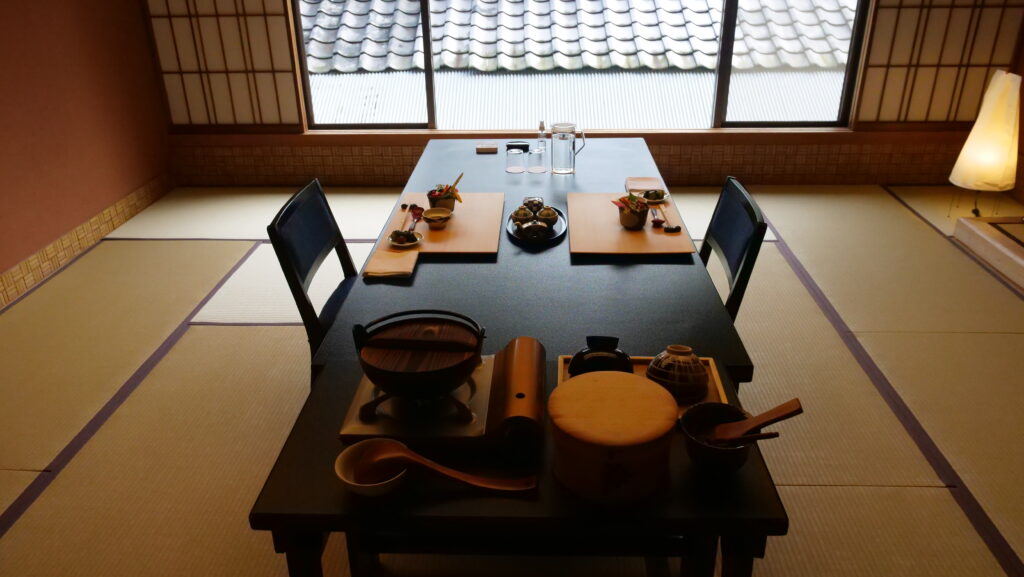
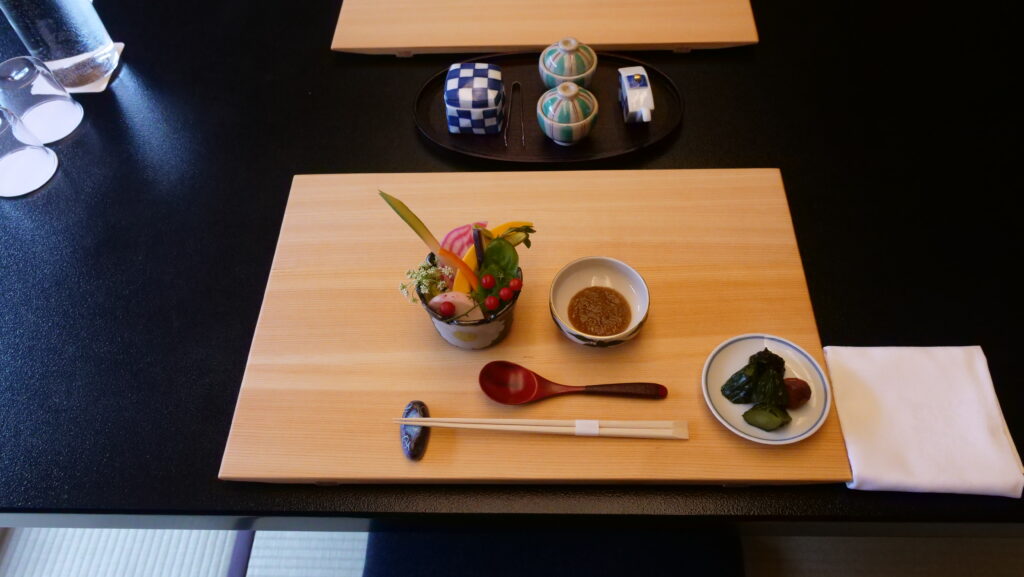
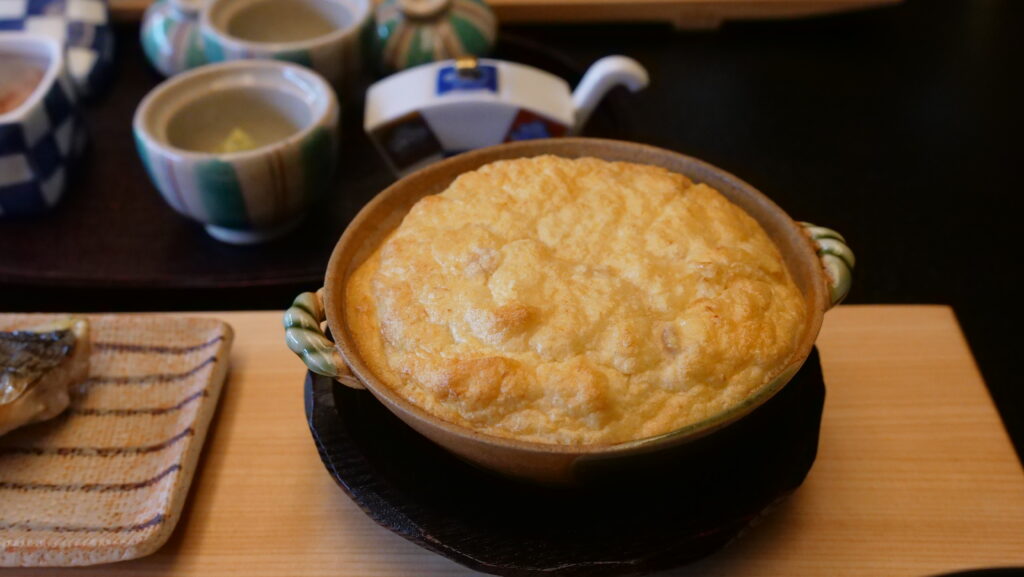
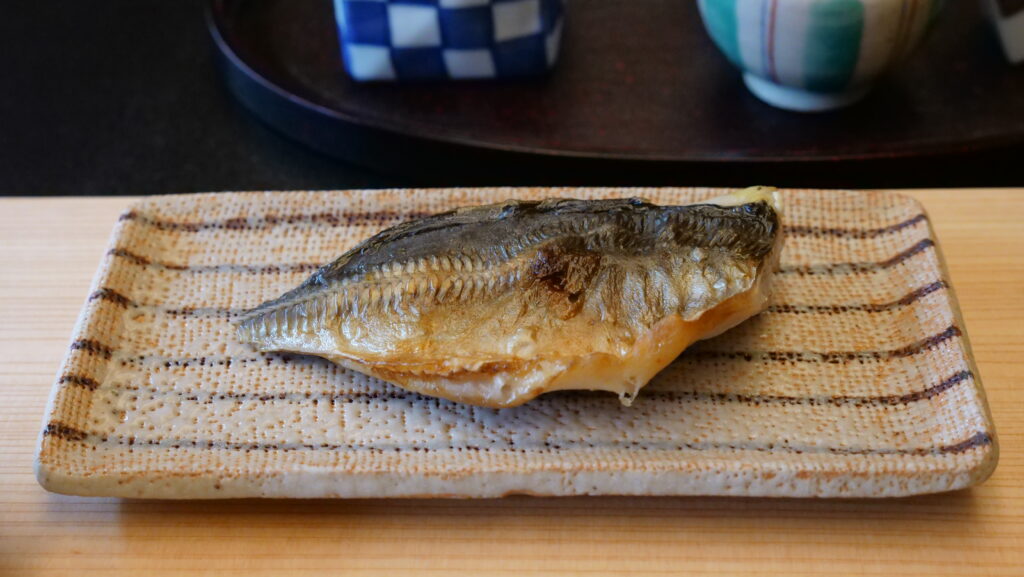
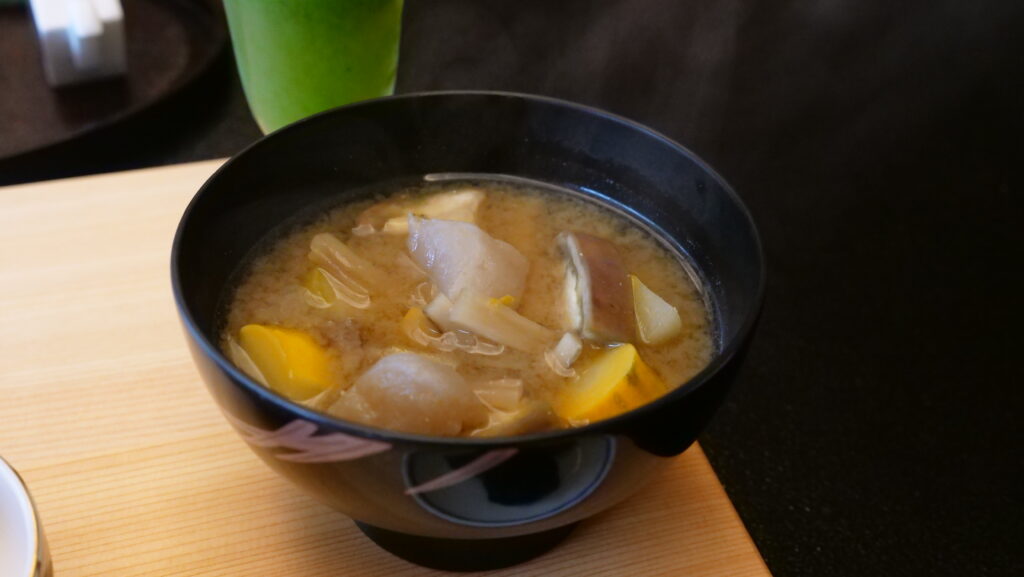
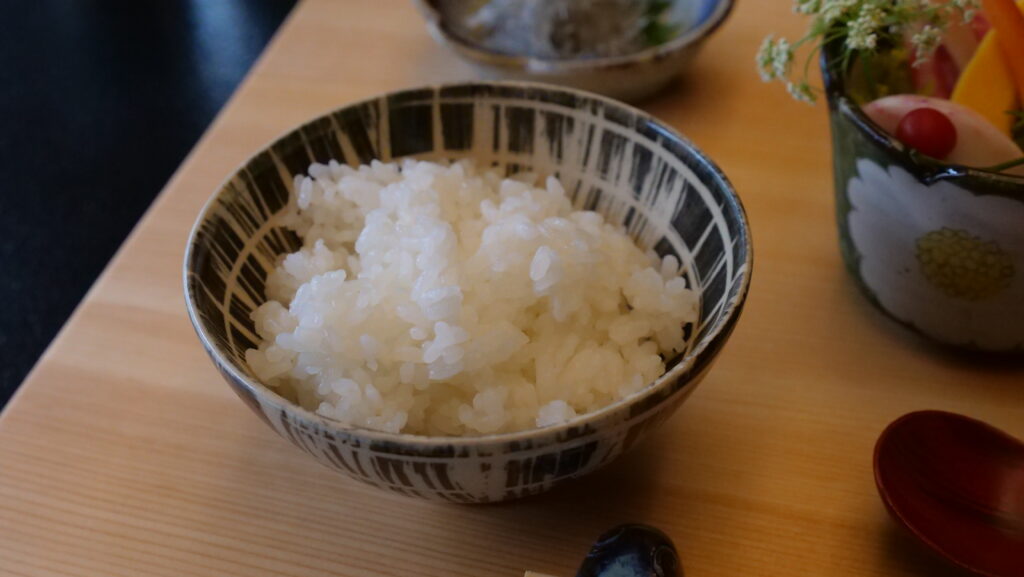
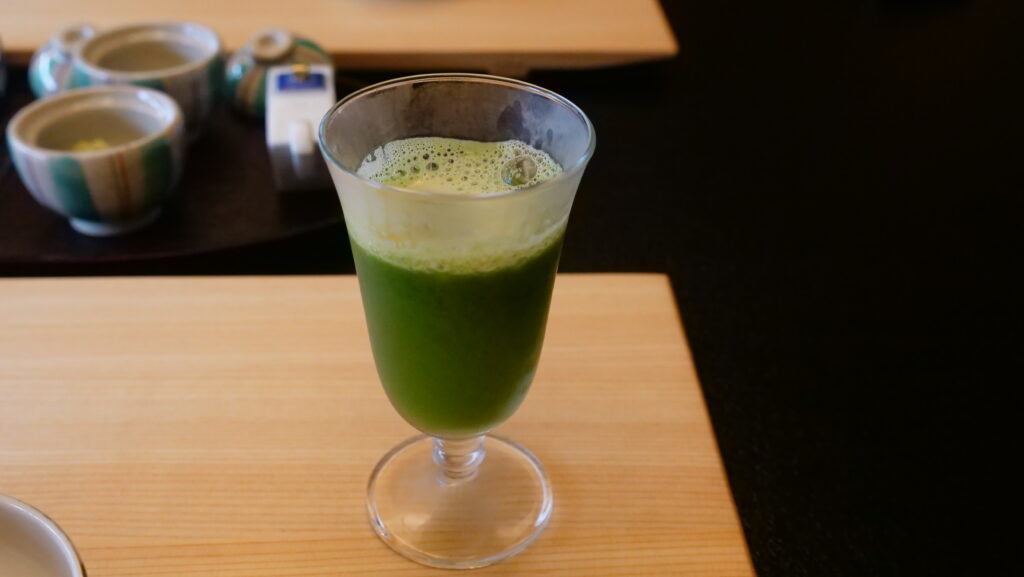
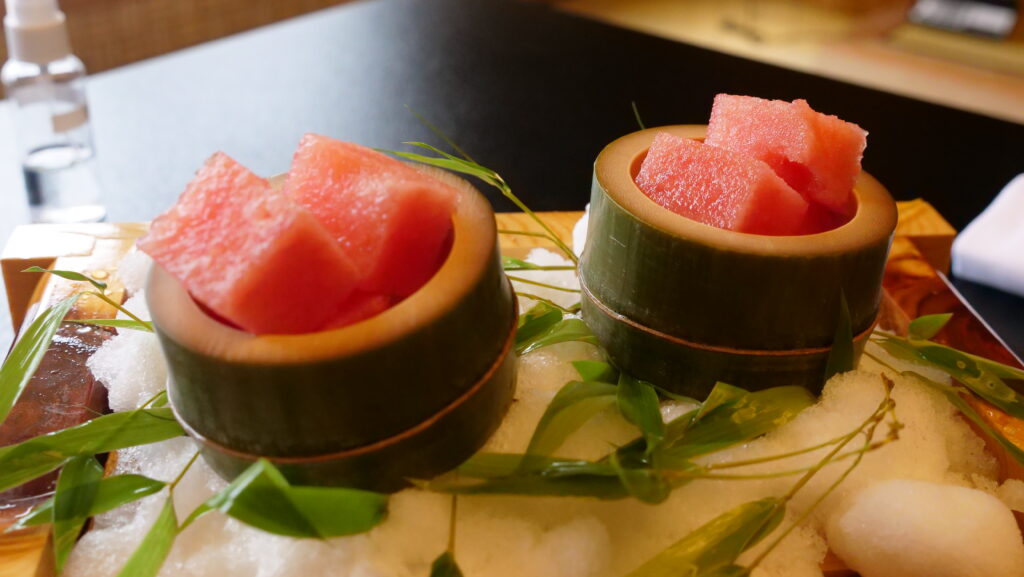
Breakfast is served in the same room as dinner, and its large windows let in the pleasant morning light. The meal begins healthily, with freshly picked local vegetables and a smoothie, and the miso for dipping the vegetables was superb. The rest is a classic Japanese breakfast, a taste that most Japanese people find reassuring; the one surprise was the egg dish, served as a soufflé. Every seed had been removed from the watermelon, and that kind of careful work makes food taste even better.
This is a historic, luxurious ryokan where you are free to enjoy all kinds of experiences throughout the day. With drinks included in the rate, prices are somewhat on the high side. It is ideal for those who want to enjoy their drinks to the full amid the building’s refined beauty, and for sauna lovers.
As for the food, I must say candidly that the meals did not quite justify their cost, and fell short of a chef’s masterpiece. The service was fine: unobtrusive yet attentive, so the stay was free of stress or irritation.
Ochiairou is well worth recommending to anyone who appreciates the beauty and heritage of Japanese architecture and wants a peaceful retreat. For seasoned travelers like us, however, who have explored much of Japan, it was hard to find the singular touch that turns a good stay into an extraordinary one.
Ochiairou 1887-1 Yugashima, Izu City, Shizuoka Prefecture 410-3206